Jakarta's New Budget Allocations Spark Debate Over Bali's Infrastructure Needs
As Jakarta announces a substantial 25% increase in budget allocations for Bali's infrastructure, local officials express concerns about equitable distribution. This financial boost could reshape the province’s urban landscape but raises questions about prioritization and local needs.
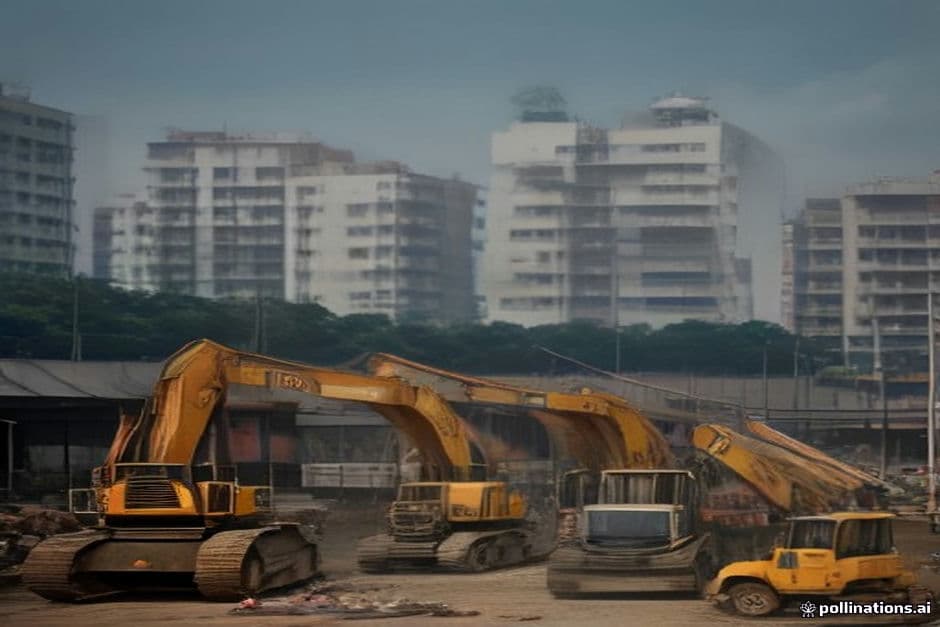
Jakarta's recent decision to increase budget allocations for Bali's infrastructure by 25% has opened a dialogue about the province's pressing needs and the effectiveness of the current allocation strategy. This increase, amounting to approximately Rp 500 billion, was announced by the Minister of Finance during a recent fiscal policy meeting, aimed at addressing ongoing urban development challenges in the region.
In a year where Bali has faced significant pressures from rising visitor numbers and urban congestion, the allocation aims to enhance critical infrastructure, including transportation networks, waste management systems, and public facilities. However, local officials have raised concerns regarding how these funds will be distributed, emphasizing the need for a more tailored approach that considers the unique challenges faced by different areas within the province.
Specifically, areas such as Denpasar and Badung, which experience the highest traffic and waste management issues, are advocating for a greater share of the budget to address their acute challenges. Denpasar's mayor has highlighted that the city continues to struggle with road congestion, which has seen a year-over-year increase of 15% in traffic volume, making it essential to prioritize transportation infrastructure improvements.
Furthermore, the tourism sector, a cornerstone of Bali's economy, has been facing challenges due to overdevelopment and inadequate infrastructure. The recent numbers show that while tourist arrivals increased to 6 million in 2023, the strain on existing infrastructure has led to a decline in visitor satisfaction, with reports indicating a 20% drop in positive feedback regarding transportation and public services.

Analysts suggest that the provincial government must strategically plan the allocation of these funds to ensure that all regions benefit equitably. The provincial Secretary has noted that while the additional budget is promising, it is crucial that it translates into tangible improvements in local services and infrastructure that meet the demands of both residents and visitors.
Moreover, there is a growing call for transparency in the budgeting process. Local advocacy groups are urging the provincial government to create a public review mechanism that allows citizens to voice their opinions on infrastructure projects. This could foster a more inclusive approach to development, ensuring that community voices are heard and prioritized in the decision-making process.
The potential impact of this budget increase could also have ripple effects on Bali's long-term development strategy. With the province aiming to enhance its status as a global tourist destination, investing in sustainable infrastructure is paramount. A portion of the new budget is expected to be directed toward green initiatives, including the development of eco-friendly transport options and the enhancement of public spaces.

As the provincial government prepares to finalize plans for the allocation of these funds, stakeholder engagement will be critical. The local government is expected to hold a series of consultations with community leaders and business owners to ensure that the plans align with the needs and expectations of Bali's diverse population.
In summary, while Jakarta's increase in budget allocations for Bali's infrastructure presents a significant opportunity for development, it also poses challenges regarding equitable distribution and strategic planning. The success of this initiative will depend largely on how well the provincial government can balance the needs of various districts while fostering sustainable growth that benefits all residents and visitors.



Read Also from Other Categories

Unveiling Bali's Art Scene: A New Chapter in Cultural Tourism
Bali's art scene is experiencing a transformative revival, attracting tourists and art enthusiasts alike. This cultural renaissance is reshaping visitor experiences and bolstering the local economy through innovative art initiatives and exhibitions.

Investors Shift Focus to Bali's Innovative Aquaculture Ventures in 2023
Bali's aquaculture sector has seen a remarkable 35% increase in investment this year, attracting both local and international funding. The surge is driven by a growing demand for sustainable seafood and innovative farming techniques.

Canggu Residents Alarmed by Rising Incidents of Coastal Erosion
As Canggu's picturesque coastline faces increasing erosion, local residents and businesses express urgent concerns. The ongoing erosion threatens homes, livelihoods, and the area's renowned tourism appeal.

Community-Led Initiatives Foster Urban Infrastructure Growth in Denpasar
Residents of Denpasar are taking the lead in improving urban infrastructure through collaborative projects. Local government support amplifies these initiatives, aiming to enhance the city's livability amidst rapid urbanization.
Bali's New Career Hub: Empowering Local Job Seekers with Innovative Training
Bali's job seekers are gaining new opportunities through a strategic partnership between local businesses and vocational training centers. This initiative aims to equip the workforce with essential skills to meet the demands of a rapidly changing job market.

Cafes and Culture: The Role of Community Spaces in Bali's Recovery
As Bali emerges from the pandemic, community cafes are becoming vital hubs for cultural exchange and economic revitalization. These spaces are not only serving coffee but also fostering a sense of belonging and collaboration among locals and visitors alike.
Comments (0)
No comments yet. Be the first!