Is Bali's Digital Economy Ready for Post-Pandemic Growth?
Bali's digital economy is poised for significant growth, with a projected increase of 47% in online services by 2025. As local businesses adapt to this trend, the question remains: are they prepared for the challenges ahead?
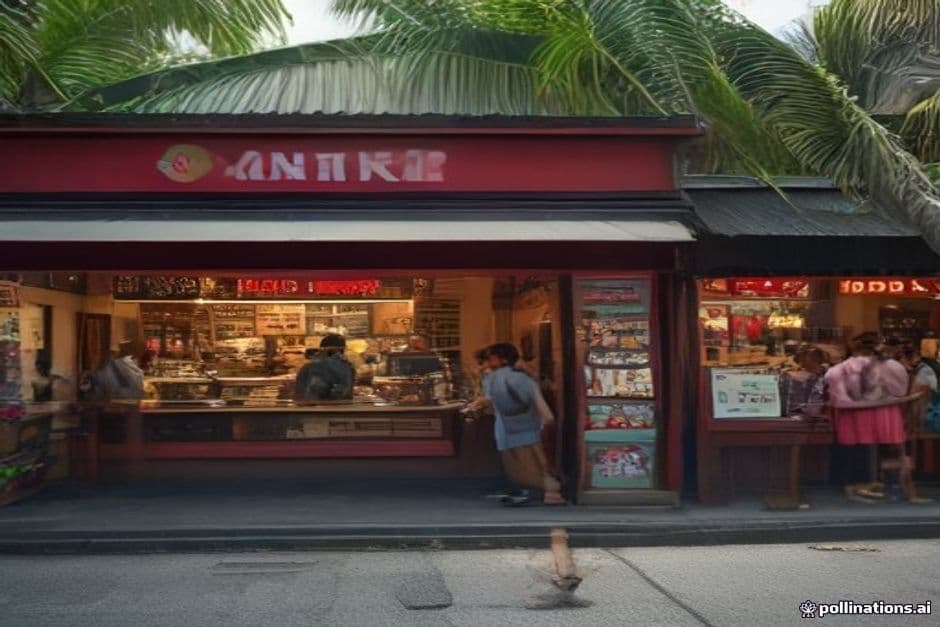
In 2023, Bali's digital services market is projected to reach a staggering IDR 2 trillion, reflecting a 47% increase from the previous year. This surge is largely attributed to the ongoing transformation of local businesses, which are increasingly adopting digital solutions to adapt to a post-pandemic world. The rapid acceleration of online services is not just a trend; it marks a pivotal moment in Bali's economic landscape, one that could redefine the island's business ecosystem.
With more than 60% of Bali's businesses now utilizing some form of digital platform, the shift is evident. This adaptation includes everything from e-commerce to digital marketing, and even online booking systems for hotels and restaurants. Notably, a survey conducted by the Bali Chamber of Commerce reveals that 70% of businesses reported increased sales through digital channels in the last year. This data indicates a significant shift in consumer behavior, with more residents and tourists alike preferring the convenience of online transactions.
However, this rapid digitalization is not without its challenges. In a region where traditional business practices have been the norm, many local entrepreneurs struggle to keep pace with technological advancements. The same survey highlighted that 40% of businesses feel unprepared to fully leverage digital tools, primarily due to a lack of technical knowledge and resources. This gap underscores the need for targeted training and support for local entrepreneurs to ensure they can thrive in this evolving landscape.
Furthermore, the rise of digital nomadism in Bali has further complicated the economic landscape. As more remote workers flock to the island, the competition for local businesses has intensified. According to data from the Bali Tourism Board, the number of digital nomads has increased by 35% since 2021, creating a demand for services that cater specifically to this demographic. This influx presents both opportunities and challenges for local businesses, as they must adapt their offerings to attract and retain this transient customer base.

Moreover, the local government has recognized the potential of the digital economy and is taking steps to facilitate its growth. Initiatives such as the Bali Smart Island program aim to improve digital infrastructure and provide resources for businesses to transition online. As part of this initiative, the government has allocated IDR 500 billion for digital training programs aimed at equipping local entrepreneurs with essential skills. This investment is crucial for ensuring that Bali's businesses are not left behind in the digital revolution.
In addition to governmental support, partnerships between local businesses and tech companies are emerging as a viable solution to bridge the digital divide. Collaborations like those between local artisans and e-commerce platforms are helping to elevate traditional crafts while expanding their reach to a global audience. For instance, a recent partnership between Ubud's craft markets and a major online retailer has resulted in a 50% increase in sales for participating artisans, showcasing the potential benefits of embracing technology.
As Bali's digital economy continues to expand, it is imperative for stakeholders to remain vigilant about potential pitfalls. Cybersecurity, for instance, emerges as a pressing concern for local businesses transitioning online. Reports indicate that cyberattacks in Indonesia have surged by 30% in the past year, prompting calls for enhanced security measures. Businesses must prioritize cybersecurity training and robust protection protocols to safeguard their operations and customer data.

Looking ahead, the future of Bali's digital economy hinges on the successful integration of technology with local traditions. As businesses navigate this transformative phase, a balanced approach that respects cultural heritage while embracing innovation will be crucial. The potential for growth is significant, but it will require collaboration among entrepreneurs, government, and tech experts to realize a thriving digital ecosystem.
In conclusion, the trajectory of Bali's digital economy is promising, with substantial growth anticipated in the coming years. However, the path forward is fraught with challenges that must be addressed to ensure that local businesses can fully capitalize on this opportunity. By fostering a supportive environment for digital adoption and prioritizing training and resources, Bali can position itself as a leader in the digital economy while preserving its unique cultural identity.



Read Also from Other Categories

Unveiling Bali's Art Scene: A New Chapter in Cultural Tourism
Bali's art scene is experiencing a transformative revival, attracting tourists and art enthusiasts alike. This cultural renaissance is reshaping visitor experiences and bolstering the local economy through innovative art initiatives and exhibitions.

Local Farmers Rally for Support Amid Bali's Agricultural Policy Shift
As Bali's provincial government implements new agricultural policies, local farmers express concerns over their livelihoods. The shift aims to modernize practices but raises questions about sustainability and community impact.

Investors Shift Focus to Bali's Innovative Aquaculture Ventures in 2023
Bali's aquaculture sector has seen a remarkable 35% increase in investment this year, attracting both local and international funding. The surge is driven by a growing demand for sustainable seafood and innovative farming techniques.

Canggu Residents Alarmed by Rising Incidents of Coastal Erosion
As Canggu's picturesque coastline faces increasing erosion, local residents and businesses express urgent concerns. The ongoing erosion threatens homes, livelihoods, and the area's renowned tourism appeal.

Community-Led Initiatives Foster Urban Infrastructure Growth in Denpasar
Residents of Denpasar are taking the lead in improving urban infrastructure through collaborative projects. Local government support amplifies these initiatives, aiming to enhance the city's livability amidst rapid urbanization.
Bali's New Career Hub: Empowering Local Job Seekers with Innovative Training
Bali's job seekers are gaining new opportunities through a strategic partnership between local businesses and vocational training centers. This initiative aims to equip the workforce with essential skills to meet the demands of a rapidly changing job market.
Comments (0)
No comments yet. Be the first!