Investment Opportunities Expand in Bali's Logistics Sector Amid Growth
Bali's logistics sector is experiencing a surge in investment, driven by the island's strategic location and growing demand for efficient supply chains. With new players entering the market, the landscape is transforming rapidly, promising new economic opportunities for local businesses and international investors alike.
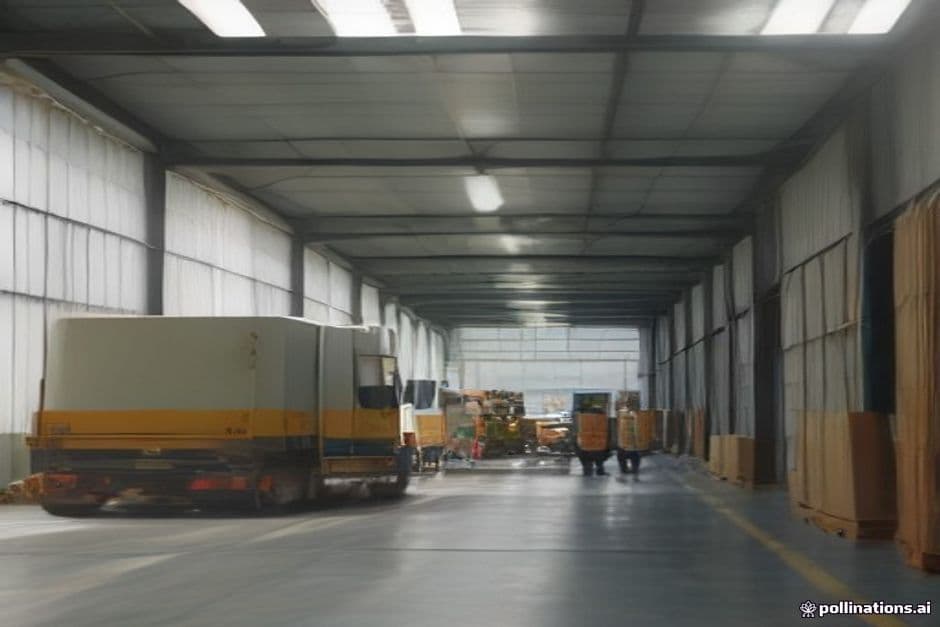
Bali's logistics sector is witnessing a significant influx of investment as the island's geographical advantages and increasing demand for efficient supply chains attract both local and international players. This trend is not only reshaping the logistics landscape but is also expected to bolster economic growth in the region.
The growing tourism industry and the rise of e-commerce have necessitated improved logistics solutions, prompting investors to explore opportunities in this sector. According to market analysts, the logistics market in Bali is projected to grow by over 15% annually over the next five years, driven by factors such as rising consumer demand and advancements in technology.
Several startups have emerged, focusing on innovative supply chain solutions, including last-mile delivery services and warehousing strategies tailored to the unique challenges of island logistics. One notable startup, BaliLog, has recently secured IDR 30 billion in funding to develop its smart logistics platform, which aims to streamline operations between suppliers and retailers.
“Our goal is to create a seamless logistics experience that enhances the efficiency of supply chains in Bali,” said Arjun Pratama, CEO of BaliLog. “With the rapid growth of e-commerce, there is a pressing need for reliable logistics services that can adapt to the dynamic market.”

The Bali government is also playing a crucial role in supporting this sector's growth. Authorities have initiated infrastructure projects aimed at improving transportation links between major commercial hubs and tourist areas. The ongoing development of the Gilimanuk-Mengwi Toll Road, set to resume in 2025, is expected to enhance connectivity and reduce transit times for goods across the island.
Furthermore, the establishment of logistics parks in strategic locations, such as Kuta and Denpasar, is attracting logistics companies looking for modern facilities to support their operations. These parks are designed to offer comprehensive logistics services, including warehousing, distribution, and freight forwarding, catering to the needs of both local and international businesses.
The investment trend is not limited to startups; established companies are also looking to expand their logistics operations in Bali. Major logistics firms, such as JNE Express and TIKI, have announced plans to increase their presence on the island, aiming to tap into the growing demand for reliable delivery services.
Industry experts believe that the expansion of logistics services will have a ripple effect across various sectors, enhancing the overall efficiency of business operations in Bali. As logistics infrastructure improves, local businesses will be better positioned to compete both domestically and internationally, ultimately contributing to the island's economic resilience.

In parallel, the rise in logistics investment is also prompting discussions around sustainability. Many new logistics startups are prioritizing eco-friendly practices, such as electric delivery vehicles and sustainable packaging solutions, aligning with global trends toward greener operations.
However, challenges remain. The logistics sector in Bali still faces issues such as traffic congestion and regulatory hurdles that can impede operations. Stakeholders are calling for clearer policies and better infrastructure planning to support the sector's growth and ensure that investments translate into tangible improvements.
As Bali continues to attract attention from investors, the logistics sector stands out as a promising area of growth. With the right support and infrastructure in place, the island could become a key logistics hub in the region, benefiting businesses and consumers alike.



Read Also from Other Categories

Unveiling Bali's Art Scene: A New Chapter in Cultural Tourism
Bali's art scene is experiencing a transformative revival, attracting tourists and art enthusiasts alike. This cultural renaissance is reshaping visitor experiences and bolstering the local economy through innovative art initiatives and exhibitions.

Local Farmers Rally for Support Amid Bali's Agricultural Policy Shift
As Bali's provincial government implements new agricultural policies, local farmers express concerns over their livelihoods. The shift aims to modernize practices but raises questions about sustainability and community impact.

Canggu Residents Alarmed by Rising Incidents of Coastal Erosion
As Canggu's picturesque coastline faces increasing erosion, local residents and businesses express urgent concerns. The ongoing erosion threatens homes, livelihoods, and the area's renowned tourism appeal.

Community-Led Initiatives Foster Urban Infrastructure Growth in Denpasar
Residents of Denpasar are taking the lead in improving urban infrastructure through collaborative projects. Local government support amplifies these initiatives, aiming to enhance the city's livability amidst rapid urbanization.
Bali's New Career Hub: Empowering Local Job Seekers with Innovative Training
Bali's job seekers are gaining new opportunities through a strategic partnership between local businesses and vocational training centers. This initiative aims to equip the workforce with essential skills to meet the demands of a rapidly changing job market.

Cafes and Culture: The Role of Community Spaces in Bali's Recovery
As Bali emerges from the pandemic, community cafes are becoming vital hubs for cultural exchange and economic revitalization. These spaces are not only serving coffee but also fostering a sense of belonging and collaboration among locals and visitors alike.
Comments (0)
No comments yet. Be the first!