Innovative Tech Solutions Drive Infrastructure Development in Bali
Bali's local government partners with tech firms to enhance infrastructure and public services. This initiative aims to address urban challenges while promoting sustainable practices across the island.
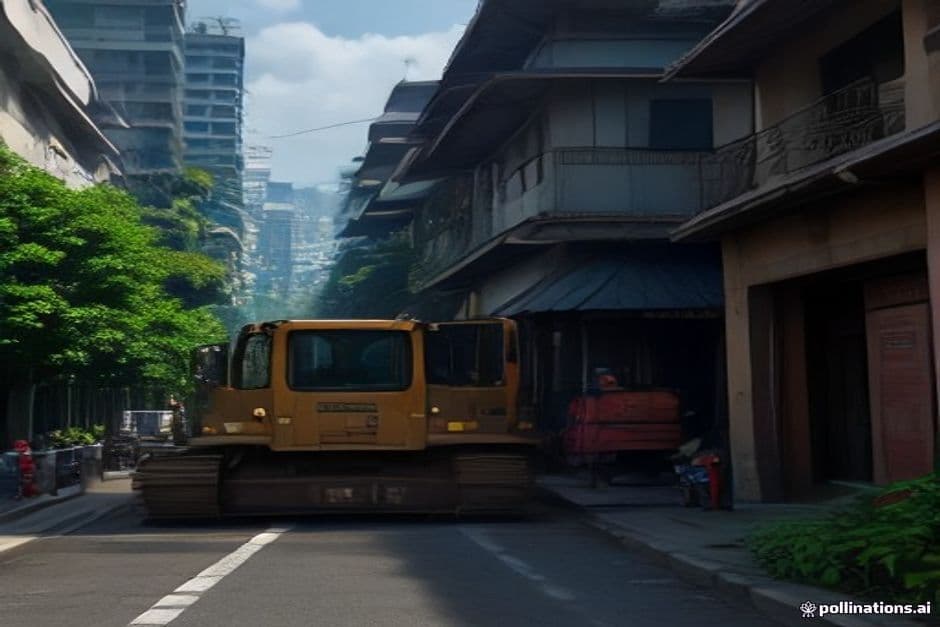
Bali's local government is embracing technology to tackle pressing infrastructure challenges, setting a precedent for innovative solutions in the region. In partnership with local tech companies, the initiative aims to integrate smart technologies into public services, enhancing efficiency and sustainability across urban areas.
The collaboration focuses on critical sectors such as transportation, waste management, and energy efficiency. By leveraging advanced technologies, the initiative is designed to streamline operations, reduce environmental impact, and improve the quality of life for residents. As part of this effort, the government has identified several pilot projects, including smart traffic management systems and energy-efficient public lighting.
One of the first projects is a smart traffic monitoring system being tested in Denpasar, Bali's capital. This system utilizes real-time data to optimize traffic flow, reduce congestion, and enhance road safety. Local officials have indicated that preliminary results show a 20% reduction in traffic delays during peak hours since the implementation of the system.
In addition to transportation, waste management is another focus area. The government has partnered with a local startup to develop an integrated waste management system that uses AI to optimize collection routes and increase recycling rates. This initiative aims to address Bali's ongoing waste crisis, which has been exacerbated by the influx of tourists and urban development. Authorities expect to see a 30% improvement in waste collection efficiency within the next year.

The energy sector is also undergoing transformation, with plans to incorporate solar panels and smart grids into public infrastructure. The local government is collaborating with Tropic Tech, a bespoke IT consultancy firm, to develop a framework for implementing solar energy in government buildings and public spaces. The goal is to reduce reliance on fossil fuels and lower energy costs for the community.
This technology-driven approach aligns with Bali's broader sustainability goals, which are emphasized in the provincial government's 2021-2025 development plan. Governor Wayan Koster has been vocal about the need for Bali to adopt sustainable practices while balancing development and environmental preservation. “We are committed to using technology not just to improve infrastructure but to ensure that our development is sustainable and beneficial for all Balinese,” said Koster.
Community involvement is a crucial aspect of these initiatives. Local residents are being engaged through workshops and informational campaigns to raise awareness about the benefits of these technological advancements. The government is encouraging feedback from the community to ensure that the solutions being implemented align with public needs and concerns.

Furthermore, the initiative has garnered attention from international observers, as Bali seeks to position itself as a model for sustainable urban development in Southeast Asia. Experts from various sectors are monitoring the outcomes of these projects, with expectations that successful implementations could inspire similar initiatives in neighboring regions.
As these projects progress, the local government is committed to transparency and accountability, providing regular updates to the public on the project's impact and future developments. Officials are optimistic that these innovative solutions will not only enhance infrastructure but also create job opportunities in the tech sector, contributing to Bali's economic resilience.
In conclusion, Bali's strategic partnership with technology firms marks a significant step towards modernizing its infrastructure while prioritizing sustainability. As urban challenges continue to evolve, embracing technology will be essential for Bali to thrive in a rapidly changing world.



Read Also from Other Categories

Unveiling Bali's Art Scene: A New Chapter in Cultural Tourism
Bali's art scene is experiencing a transformative revival, attracting tourists and art enthusiasts alike. This cultural renaissance is reshaping visitor experiences and bolstering the local economy through innovative art initiatives and exhibitions.

Local Farmers Rally for Support Amid Bali's Agricultural Policy Shift
As Bali's provincial government implements new agricultural policies, local farmers express concerns over their livelihoods. The shift aims to modernize practices but raises questions about sustainability and community impact.

Investors Shift Focus to Bali's Innovative Aquaculture Ventures in 2023
Bali's aquaculture sector has seen a remarkable 35% increase in investment this year, attracting both local and international funding. The surge is driven by a growing demand for sustainable seafood and innovative farming techniques.

Canggu Residents Alarmed by Rising Incidents of Coastal Erosion
As Canggu's picturesque coastline faces increasing erosion, local residents and businesses express urgent concerns. The ongoing erosion threatens homes, livelihoods, and the area's renowned tourism appeal.
Bali's New Career Hub: Empowering Local Job Seekers with Innovative Training
Bali's job seekers are gaining new opportunities through a strategic partnership between local businesses and vocational training centers. This initiative aims to equip the workforce with essential skills to meet the demands of a rapidly changing job market.

Cafes and Culture: The Role of Community Spaces in Bali's Recovery
As Bali emerges from the pandemic, community cafes are becoming vital hubs for cultural exchange and economic revitalization. These spaces are not only serving coffee but also fostering a sense of belonging and collaboration among locals and visitors alike.
Comments (0)
No comments yet. Be the first!