Indonesia Aims for Investment and Tourism Surge by Q3 2026
The Indonesian government is intensifying efforts to boost investment and tourism, particularly in Bali and the Nusa Tenggara region, with a strategic focus on the third quarter of 2026.
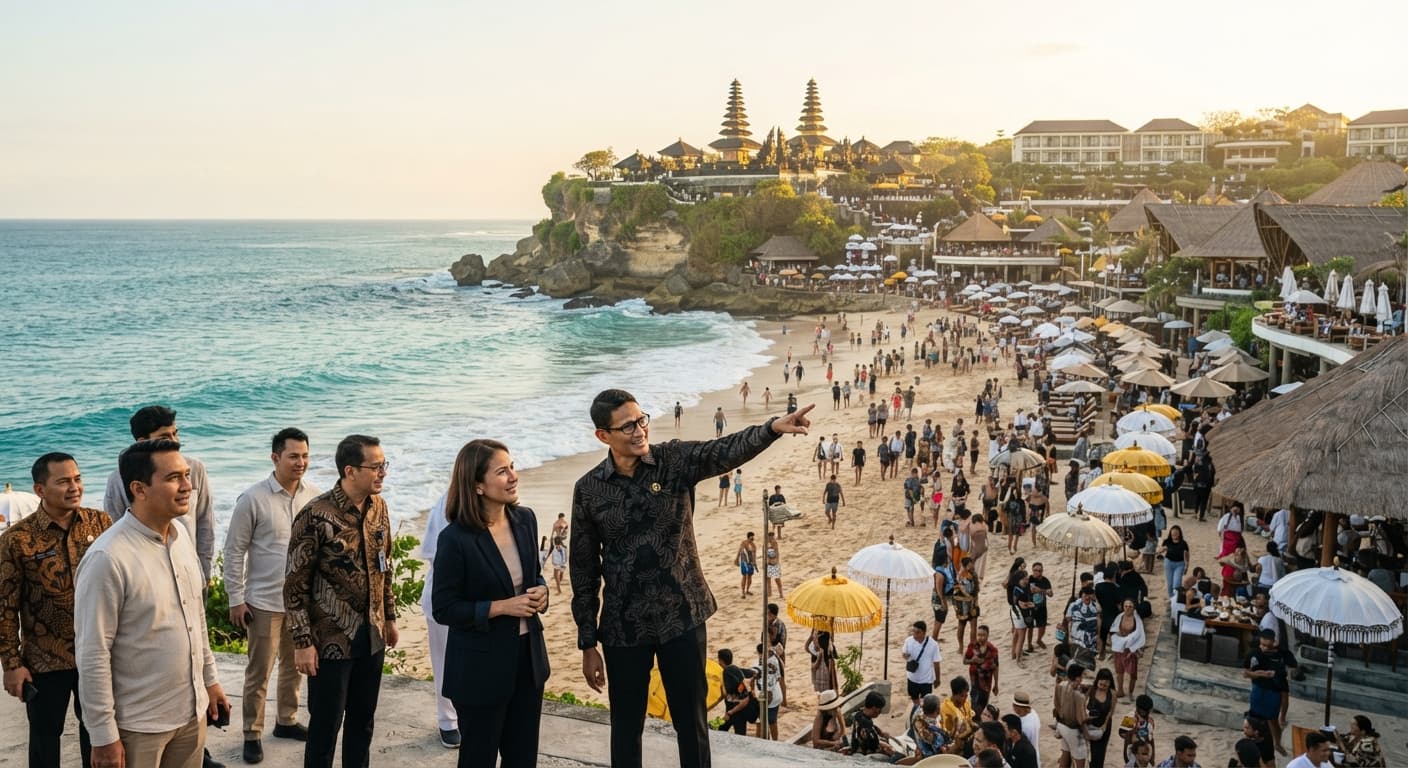
In a determined effort to rejuvenate the economy as the year approaches its end, the Indonesian government has set its sights on enhancing both investment and tourism performance, particularly in key regions like Bali and Nusa Tenggara. Coordinating Minister for Economic Affairs Airlangga Hartarto announced the government's strategic initiatives during a press conference held in Jakarta on August 6, 2026, emphasizing the dual focus on attracting both domestic and international tourists.
"We will continue to push investment in the coming quarter. At the same time, we are intensifying efforts to strengthen tourism-related industries," Hartarto stated, highlighting the importance of these sectors in bolstering national economic growth. His remarks underscore a broader governmental strategy aimed at utilizing tourism as a catalyst for economic recovery, particularly in the wake of the challenges posed by the COVID-19 pandemic.
Statistics Indonesia (BPS) has reported promising figures, indicating a robust resurgence in domestic tourism. From January to June 2026, domestic tourist trips reached an impressive 630.41 million, marking the highest level for this period since before the onset of the pandemic. This surge is indicative of a growing confidence among Indonesian travelers, which, if sustained, could significantly enhance the overall economic landscape.
Foreign tourism figures also reflect this upward trend. In June 2026, Bali welcomed 605,013 international tourists, an increase of 4.63 percent from May. Similarly, West Nusa Tenggara (NTB) experienced a significant influx of 1,368,707 foreign tourists, up 2.73 percent from the previous month. East Nusa Tenggara (NTT) saw a remarkable rise, with foreign arrivals totaling 29,152, reflecting a year-on-year surge of 40.73 percent and a month-on-month increase of 19.85 percent.
Airlangga Hartarto noted, "It is encouraging to see that Bali and the Nusa Tenggara region are growing faster than the national average. This demonstrates that tourism-related sectors are gaining momentum, and we can capitalize on this as a low-hanging-fruit opportunity." His comments highlight the potential for these regions to serve as pivotal drivers of Indonesia's broader economic revival.
As part of the government's strategy to bolster tourism, Airlangga pointed to the increasing international connectivity that facilitates travel to Indonesia. The recent launch of a direct international flight route between Bali and Phuket, Thailand, operated by TransNusa, stands as a testament to this effort. The new air link is expected to attract a diverse range of visitors, including families, digital nomads, and adventure travelers eager to explore the cultural and culinary offerings of both destinations.
In addition to enhancing air connectivity, the government is also focusing on improving infrastructure and services to make Bali and the surrounding regions more appealing to international tourists. This includes investments in hospitality, security, and sustainable tourism practices, which are increasingly becoming decisive factors for travelers when choosing their destinations.
The Minister's emphasis on tourism and investment is echoed by other officials and stakeholders in the industry, who recognize the symbiotic relationship between these two sectors. For instance, Prabowo Subianto, the Minister of Defense, has highlighted the role of tourism in driving economic growth, advocating for cleaner and more sustainable practices to enhance Indonesia's appeal as a tourist destination.
As the government gears up for the ambitious targets set for Q3 2026, the implications of these initiatives extend beyond mere economic statistics. They represent a concerted effort to restore Indonesia's place on the global tourism map while ensuring that local communities benefit from the influx of visitors. By fostering a collaborative approach between government agencies, private investors, and tourism operators, Indonesia aims to create a more resilient and inclusive economy that can withstand future challenges.
In conclusion, with a clear focus on enhancing investment and tourism, Indonesia is poised to leverage its unique cultural and natural assets to attract a new wave of visitors. The forthcoming months will be critical in determining the success of these initiatives, as the government navigates the complex landscape of post-pandemic recovery while striving to solidify its economic foundations.


Read Also from Other Categories

Local Farmers Rally for Support Amid Bali's Agricultural Policy Shift
As Bali's provincial government implements new agricultural policies, local farmers express concerns over their livelihoods. The shift aims to modernize practices but raises questions about sustainability and community impact.

Investors Shift Focus to Bali's Innovative Aquaculture Ventures in 2023
Bali's aquaculture sector has seen a remarkable 35% increase in investment this year, attracting both local and international funding. The surge is driven by a growing demand for sustainable seafood and innovative farming techniques.

Canggu Residents Alarmed by Rising Incidents of Coastal Erosion
As Canggu's picturesque coastline faces increasing erosion, local residents and businesses express urgent concerns. The ongoing erosion threatens homes, livelihoods, and the area's renowned tourism appeal.

Community-Led Initiatives Foster Urban Infrastructure Growth in Denpasar
Residents of Denpasar are taking the lead in improving urban infrastructure through collaborative projects. Local government support amplifies these initiatives, aiming to enhance the city's livability amidst rapid urbanization.
Bali's New Career Hub: Empowering Local Job Seekers with Innovative Training
Bali's job seekers are gaining new opportunities through a strategic partnership between local businesses and vocational training centers. This initiative aims to equip the workforce with essential skills to meet the demands of a rapidly changing job market.
Navigating Bali's Evolving Social Landscape: Challenges and Opportunities
As Bali grapples with increasing social disparities, experts urge a reevaluation of community policies. Understanding these shifts is crucial for fostering a more equitable future for all residents.
Comments (0)
No comments yet. Be the first!