Governor Koster's New Public Transport Plan Aims to Alleviate Traffic Chaos
Bali's provincial government unveils a comprehensive public transport strategy targeting congestion in major tourist areas. With traffic growth hitting 10% annually, the plan seeks to enhance mobility and reduce carbon emissions across the island.
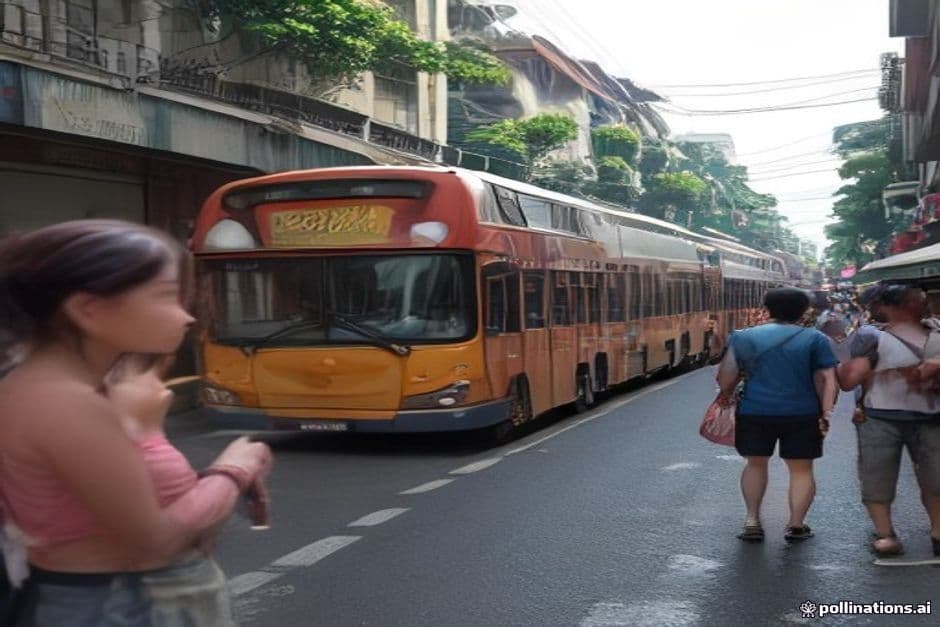
Bali's provincial government has launched a new public transport initiative aimed at addressing the island's increasingly severe traffic congestion, particularly in high-tourism areas like Seminyak and Ubud. The initiative was unveiled by Governor Wayan Koster, who emphasized that traffic in Bali has grown by 10% annually, leading to significant delays and frustration among both residents and visitors.
The plan, which includes the introduction of a bus rapid transit system, aims to improve public accessibility and reduce the reliance on private vehicles. According to the provincial transportation agency, the new system is projected to reduce traffic volume by 20% in its first year of operation. This figure is crucial, especially as Bali's population and tourist numbers continue to rise, straining the existing infrastructure.
Governor Koster stated that the initiative is part of a broader strategy to create a sustainable and efficient transportation network that aligns with Bali's environmental goals. By investing in public transport, the government aims to cut carbon emissions by an estimated 15%, contributing to Bali's commitment to sustainable tourism and environmental preservation.
In addition to the bus rapid transit system, the plan includes improvements to existing roadways and the introduction of dedicated bike lanes, which are expected to further encourage eco-friendly transportation alternatives. The government has allocated approximately Rp 500 billion for the initiative, with funding sourced from both local budgets and national government support.

Comparatively, similar initiatives in other regions have shown promising results; for instance, Jakarta's recent efforts to enhance its public transport system have led to a 12% reduction in traffic congestion over the past year. Bali's government hopes to replicate this success, particularly in urban areas where traffic is most acute.
Stakeholders in the tourism sector have expressed cautious optimism about the project. Local business owners in Seminyak, a hotspot for tourists, have reported that traffic disruptions often deter visitors, impacting their bottom lines. A recent survey found that 65% of local businesses believe improved transportation options would boost customer access and satisfaction.
However, the initiative faces challenges, including the need for effective public outreach and community buy-in. Residents in some areas have raised concerns about potential disruptions during the construction phase and the overall long-term impact on their neighborhoods. To address these concerns, the provincial government has committed to regular community consultations throughout the implementation process.

As the project moves forward, the government plans to monitor traffic patterns closely, utilizing real-time data analytics to assess the effectiveness of the new transport system. This data-driven approach is intended to ensure adjustments can be made swiftly if certain aspects of the plan do not yield expected results.
In conclusion, Bali's new public transport initiative represents a significant step towards tackling the island's traffic woes while promoting sustainable tourism practices. As the government prepares for the rollout, the eyes of both residents and visitors will be on how successfully these changes can be implemented and whether they can indeed transform Bali's transport landscape for the better.



Read Also from Other Categories

Unveiling Bali's Art Scene: A New Chapter in Cultural Tourism
Bali's art scene is experiencing a transformative revival, attracting tourists and art enthusiasts alike. This cultural renaissance is reshaping visitor experiences and bolstering the local economy through innovative art initiatives and exhibitions.

Investors Shift Focus to Bali's Innovative Aquaculture Ventures in 2023
Bali's aquaculture sector has seen a remarkable 35% increase in investment this year, attracting both local and international funding. The surge is driven by a growing demand for sustainable seafood and innovative farming techniques.

Canggu Residents Alarmed by Rising Incidents of Coastal Erosion
As Canggu's picturesque coastline faces increasing erosion, local residents and businesses express urgent concerns. The ongoing erosion threatens homes, livelihoods, and the area's renowned tourism appeal.

Community-Led Initiatives Foster Urban Infrastructure Growth in Denpasar
Residents of Denpasar are taking the lead in improving urban infrastructure through collaborative projects. Local government support amplifies these initiatives, aiming to enhance the city's livability amidst rapid urbanization.
Bali's New Career Hub: Empowering Local Job Seekers with Innovative Training
Bali's job seekers are gaining new opportunities through a strategic partnership between local businesses and vocational training centers. This initiative aims to equip the workforce with essential skills to meet the demands of a rapidly changing job market.

Cafes and Culture: The Role of Community Spaces in Bali's Recovery
As Bali emerges from the pandemic, community cafes are becoming vital hubs for cultural exchange and economic revitalization. These spaces are not only serving coffee but also fostering a sense of belonging and collaboration among locals and visitors alike.
Comments (0)
No comments yet. Be the first!