Governor Koster's Latest Policy Aims to Enhance Bali's Rural Services
In a bid to improve rural governance, Governor Wayan Koster has unveiled new policies focusing on public service delivery in Bali's underserved areas. This initiative aims to bridge the gap between urban and rural resources, ensuring equitable access for all residents.
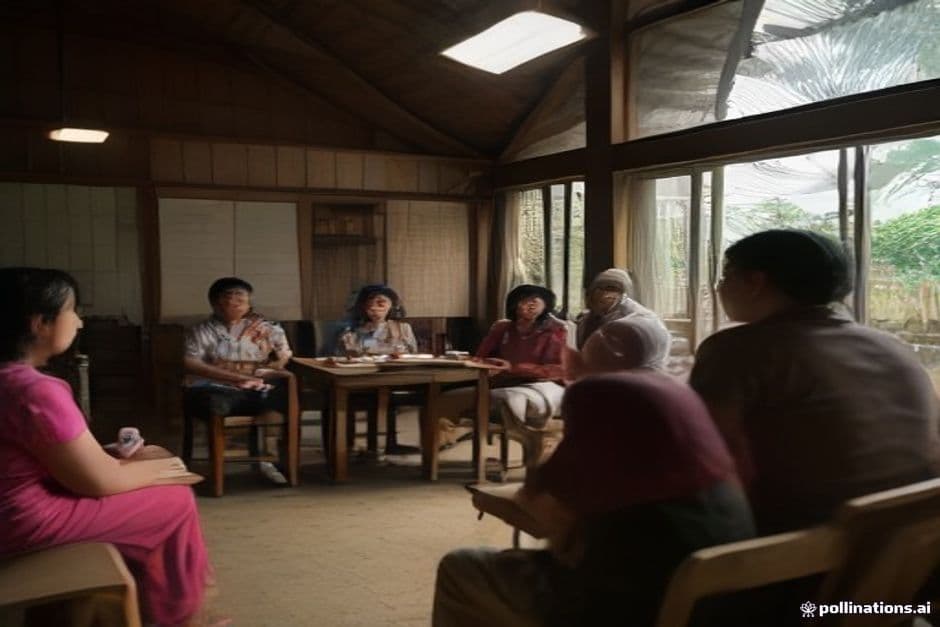
In an ambitious move to enhance governance in Bali's rural areas, Governor Wayan Koster has announced a series of new policies aimed at improving public services. This comes at a time when over 60% of Bali’s population resides in rural regions, highlighting the pressing need for infrastructure and service improvements.
The latest initiative includes a budget allocation of Rp 150 billion for 2024, specifically earmarked for rural development projects. This represents a significant increase of 30% compared to the previous year’s allocation, reflecting the provincial government’s commitment to addressing rural disparities.
Among the key features of this policy is the establishment of local service units that will operate in various rural districts including Karangasem and Buleleng. These units are designed to streamline public service delivery, focusing on areas such as healthcare, education, and transportation. For example, residents in rural Karangasem have historically faced challenges accessing medical facilities; with the new policy, mobile health clinics are set to be introduced, aiming to reach over 20,000 residents annually.
Furthermore, the governor has emphasized the importance of community involvement in these initiatives. Local councils will be empowered to have a say in project prioritization, ensuring that the services developed directly address the unique needs of their communities. This participatory approach is expected to foster greater accountability and transparency.

Statistics from the Bali Provincial Statistics Office reveal that rural areas lag behind urban centers in access to essential services. For instance, only 45% of rural households have access to reliable drinking water, compared to 90% in urban areas. By investing in infrastructure, the government aims to close this gap significantly over the next five years.
Key stakeholders, including local NGOs and community leaders, have welcomed the governor’s initiative. They argue that addressing the disparities between urban and rural Bali is crucial for sustainable development. “This is a step in the right direction,” said a representative from a local NGO focused on rural development. “Enhancing public services in these areas not only improves living standards but also supports local economies.”
In addition to public services, the governor’s plan includes a focus on enhancing educational opportunities in rural Bali. The government intends to allocate Rp 50 billion for scholarships and educational programs aimed at increasing literacy rates, which, according to the latest census, stand at 85% in rural areas.
However, the implementation of these policies isn’t without challenges. Critics warn about bureaucratic inefficiencies and the potential for misallocation of funds. Ensuring that the budget directly benefits the targeted communities will be critical. The governor has responded to these concerns by committing to regular audits and public reports on the progress of the initiatives.

Moreover, the central government in Jakarta has expressed its support for the provincial initiative, recognizing the need for improved rural services as part of Indonesia’s broader development goals. This alignment with national priorities could potentially unlock additional funding and resources for Bali.
As the governor’s policies begin to roll out, the focus will be on monitoring their impact on rural residents. Initial assessments will be conducted at the end of 2024 to determine if the initiatives are effectively bridging the urban-rural divide.
In conclusion, Governor Koster's new policies represent a proactive approach to enhancing public services in Bali’s rural areas. With increased funding and a commitment to community involvement, the provincial government aims to create a more equitable landscape for all Balinese residents. The success of these initiatives will depend heavily on transparent implementation and active engagement from local communities.



Read Also from Other Categories

Unveiling Bali's Art Scene: A New Chapter in Cultural Tourism
Bali's art scene is experiencing a transformative revival, attracting tourists and art enthusiasts alike. This cultural renaissance is reshaping visitor experiences and bolstering the local economy through innovative art initiatives and exhibitions.

Investors Shift Focus to Bali's Innovative Aquaculture Ventures in 2023
Bali's aquaculture sector has seen a remarkable 35% increase in investment this year, attracting both local and international funding. The surge is driven by a growing demand for sustainable seafood and innovative farming techniques.

Canggu Residents Alarmed by Rising Incidents of Coastal Erosion
As Canggu's picturesque coastline faces increasing erosion, local residents and businesses express urgent concerns. The ongoing erosion threatens homes, livelihoods, and the area's renowned tourism appeal.
Community-Led Initiatives Foster Urban Infrastructure Growth in Denpasar
Residents of Denpasar are taking the lead in improving urban infrastructure through collaborative projects. Local government support amplifies these initiatives, aiming to enhance the city's livability amidst rapid urbanization.
Bali's New Career Hub: Empowering Local Job Seekers with Innovative Training
Bali's job seekers are gaining new opportunities through a strategic partnership between local businesses and vocational training centers. This initiative aims to equip the workforce with essential skills to meet the demands of a rapidly changing job market.

Cafes and Culture: The Role of Community Spaces in Bali's Recovery
As Bali emerges from the pandemic, community cafes are becoming vital hubs for cultural exchange and economic revitalization. These spaces are not only serving coffee but also fostering a sense of belonging and collaboration among locals and visitors alike.
Comments (0)
No comments yet. Be the first!