Governor Koster Rejects Moratorium on New Hotel Developments in Bali
Governor Wayan Koster emphasizes the need for stricter controls rather than a moratorium on hotel and villa constructions in Bali, aiming to balance growth and environmental integrity.
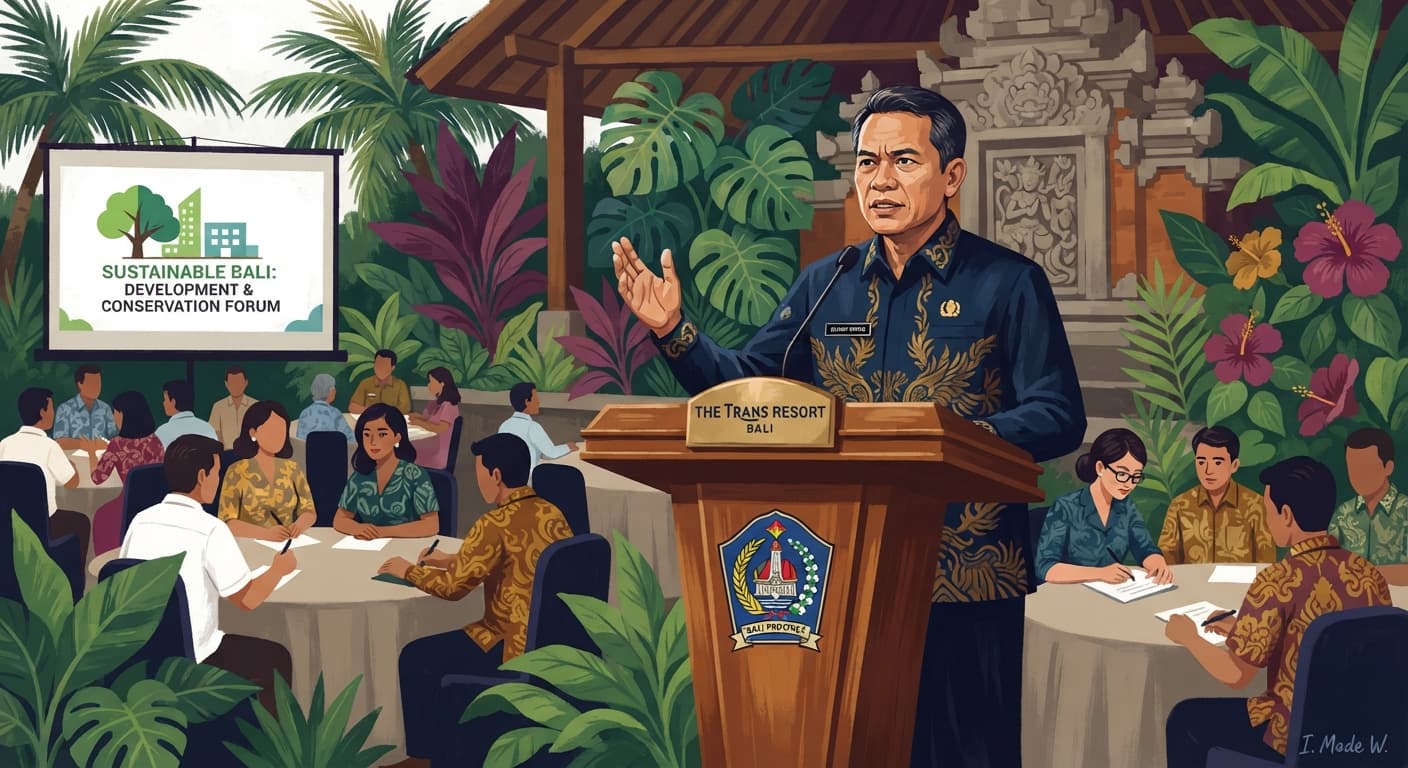
Bali's Governor Wayan Koster has firmly stated that there will be no moratorium on the construction of new hotels and villas, opting instead for enhanced regulatory measures to manage development within the island's tourism sector. During a meeting held on January 9, 2024, at The Trans Resort Bali, Koster announced his decision to issue a Provincial Decree (Perda) designed to impose stricter controls on accommodation development.
Governor Koster's declaration comes amidst growing concerns regarding the rapid expansion of the tourism accommodation sector in Bali, which has seen an influx of new construction that some experts warn could threaten the island's environmental and cultural integrity. "There is no need for a moratorium. What’s needed is stricter control," Koster asserted, indicating his intention to maintain opportunities for new investors while ensuring that development adheres to sustainable practices.
The governor's stance contrasts sharply with the views of prominent figures such as former Coordinating Minister of Maritime Affairs and Investment, Luhut Binsar Panjaitan, who expressed alarm over the extensive building operations encroaching upon Bali's rice fields. Luhut has been vocal about preserving agricultural land, stating, "No one should be building in rice fields. Let the rice fields remain rice fields so Bali can remain uniquely Bali." His concerns highlight the ongoing tension between development and conservation in the region.
Similarly, former Minister of Tourism and the Creative Economy, Sandiaga Salahudin Uno, has also called for a moratorium on new hotel constructions in South Bali, arguing that the area has reached a saturation point with accommodation options, which could lead to overtourism. "Accommodation in South Bali is overbuilt and must be controlled to avoid overtourism," he remarked, echoing the sentiments of many local residents who feel the impact of increased tourist traffic.
In response to these rising pressures, Koster's proposed Provincial Decree aims to introduce a framework that will regulate future developments more stringently, although he has yet to disclose specific mechanisms or guidelines that will be implemented. The governor emphasized that while the building of new villas and hotels will continue to be permitted, stringent rules will govern the process. "Yes, I will continue to permit the building of villas and hotels. But the rules will be strict," Koster affirmed.
As tourism remains a critical component of Bali's economy, generating substantial revenue and employment opportunities, the challenge lies in finding a balance between nurturing this vital sector and protecting the island's unique cultural and environmental heritage. Koster's decision reflects an effort to navigate this complex landscape by fostering development while simultaneously addressing growing environmental concerns.
With tourism in Bali recovering following the pandemic, the demand for new accommodations has surged, pushing local officials to reconsider their strategies for managing growth. The potential consequences of unchecked development are significant, sparking debate among stakeholders about the future of Bali's tourism industry.
As the situation evolves, the implications of Koster's decree and the reception of his approach by the local community and investors will become increasingly apparent. The balance between development and preservation will remain a focal point of discussion as Bali continues to redefine its tourism strategy in the aftermath of the global health crisis.



Read Also from Other Categories

Emerging Trends in Bali's Adventure Tourism: Thrilling New Experiences Await
Bali's adventure tourism sector is rapidly evolving, offering visitors thrilling experiences that go beyond traditional attractions. From canyoning in Ubud to zip-lining in Gianyar, the island is becoming a hub for adrenaline seekers and nature enthusiasts alike.

Investors Shift Focus to Bali's Innovative Aquaculture Ventures in 2023
Bali's aquaculture sector has seen a remarkable 35% increase in investment this year, attracting both local and international funding. The surge is driven by a growing demand for sustainable seafood and innovative farming techniques.

Canggu Residents Alarmed by Rising Incidents of Coastal Erosion
As Canggu's picturesque coastline faces increasing erosion, local residents and businesses express urgent concerns. The ongoing erosion threatens homes, livelihoods, and the area's renowned tourism appeal.

Community-Led Initiatives Foster Urban Infrastructure Growth in Denpasar
Residents of Denpasar are taking the lead in improving urban infrastructure through collaborative projects. Local government support amplifies these initiatives, aiming to enhance the city's livability amidst rapid urbanization.
Bali's New Career Hub: Empowering Local Job Seekers with Innovative Training
Bali's job seekers are gaining new opportunities through a strategic partnership between local businesses and vocational training centers. This initiative aims to equip the workforce with essential skills to meet the demands of a rapidly changing job market.
Navigating Bali's Evolving Social Landscape: Challenges and Opportunities
As Bali grapples with increasing social disparities, experts urge a reevaluation of community policies. Understanding these shifts is crucial for fostering a more equitable future for all residents.
Comments (0)
No comments yet. Be the first!