Expanding Bali's Tourism: A Focus on Adventure and Wellness Retreats
Bali's tourism sector diversifies as adventure and wellness retreats gain traction among visitors. This shift reflects a growing demand for unique travel experiences that combine physical activity and holistic well-being.
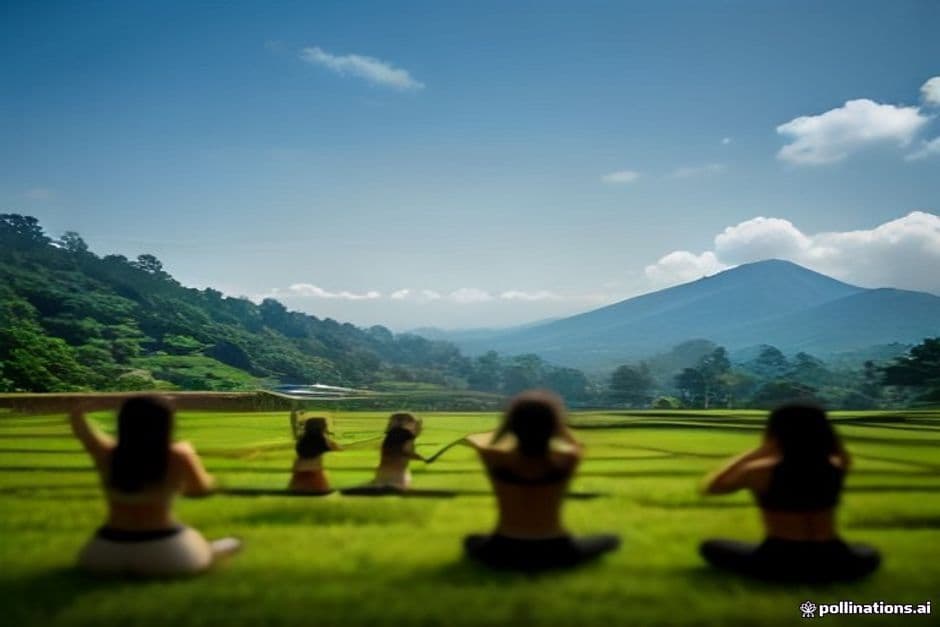
As Bali continues to evolve as a premier travel destination, the focus is shifting towards adventure and wellness retreats that cater to a growing number of visitors seeking unique experiences. These retreats not only provide opportunities for physical activity but also emphasize mental well-being, tapping into a market that increasingly prioritizes health and adventure.
Recent reports indicate that the wellness tourism sector is projected to grow significantly, with Bali emerging as a top destination for health and fitness enthusiasts. According to the Tourism Ministry, the number of wellness-focused retreats in Bali has increased by over 30% in the last two years, reflecting a broader global trend towards health-conscious travel.
Locations like Ubud and Canggu are leading the charge, offering a variety of programs that combine yoga, fitness classes, and spa treatments with outdoor adventures such as hiking, surfing, and mountain biking. The Ubud Wellness Festival, which attracts thousands of attendees annually, showcases this trend, featuring workshops, classes, and talks led by renowned wellness experts.
One of the key players in this sector is the Fivelements Retreat located in Mambal, just outside Ubud. This eco-conscious resort combines luxury with sustainability, offering holistic wellness programs that include traditional Balinese healing sessions, plant-based cuisine, and immersive nature experiences. "We aim to provide a transformative experience for our guests, connecting them to the beauty of Bali and promoting a healthy lifestyle," said the resort's director.

Similarly, the COMO Shambhala Estate in Ubud offers tailored wellness programs that focus on physical fitness and mental health. Their approach includes personalized fitness assessments and a range of activities from pilates to jungle treks. The estate's commitment to wellness has positioned it as a leader in Bali's growing wellness tourism sector.
Adventure tourism is also on the rise, with activities such as trekking at Mount Batur, white-water rafting on the Ayung River, and diving in Amed becoming increasingly popular. Local operators are adapting to this trend by offering packages that combine adventure with cultural experiences, such as guided tours of traditional villages.
The Bali Adventure Tour Company has reported a 45% increase in bookings for adventure packages over the last year. Their offerings include not only adrenaline-pumping activities but also opportunities for cultural immersion, allowing tourists to engage with local communities. "We believe that adventure tourism can also promote cultural exchange, enriching the experience for both visitors and locals," said the company's spokesperson.
As tourism in Bali continues to grow, the local government is taking steps to support this shift towards adventure and wellness. Initiatives include promoting local businesses that focus on sustainable practices and enhancing infrastructure to accommodate increased visitor numbers. The Bali Provincial Government aims to attract 6.63 million international visitors by 2026, partly by emphasizing wellness and adventure offerings.

However, this growth comes with challenges, particularly regarding environmental sustainability. The influx of tourists to Bali's natural attractions raises concerns about the preservation of the island's unique ecosystems. Local environmental groups are advocating for responsible tourism practices that minimize the ecological footprint of visitors.
In response, many retreat operators are implementing sustainable practices, such as using locally sourced materials, reducing waste, and promoting eco-friendly transportation options. This alignment with sustainability not only appeals to environmentally conscious travelers but also preserves Bali's natural beauty for future generations.
In conclusion, as Bali's tourism landscape continues to diversify, adventure and wellness retreats are becoming integral to the island's appeal. With a focus on health, sustainability, and cultural engagement, Bali is poised to attract a new wave of travelers seeking transformative experiences that go beyond traditional tourism. The combination of adventure and wellness is more than just a trend; it reflects a deeper commitment to a holistic approach to travel that resonates with the modern visitor.



Read Also from Other Categories

Local Farmers Rally for Support Amid Bali's Agricultural Policy Shift
As Bali's provincial government implements new agricultural policies, local farmers express concerns over their livelihoods. The shift aims to modernize practices but raises questions about sustainability and community impact.

Investors Shift Focus to Bali's Innovative Aquaculture Ventures in 2023
Bali's aquaculture sector has seen a remarkable 35% increase in investment this year, attracting both local and international funding. The surge is driven by a growing demand for sustainable seafood and innovative farming techniques.

Canggu Residents Alarmed by Rising Incidents of Coastal Erosion
As Canggu's picturesque coastline faces increasing erosion, local residents and businesses express urgent concerns. The ongoing erosion threatens homes, livelihoods, and the area's renowned tourism appeal.

Community-Led Initiatives Foster Urban Infrastructure Growth in Denpasar
Residents of Denpasar are taking the lead in improving urban infrastructure through collaborative projects. Local government support amplifies these initiatives, aiming to enhance the city's livability amidst rapid urbanization.
Bali's New Career Hub: Empowering Local Job Seekers with Innovative Training
Bali's job seekers are gaining new opportunities through a strategic partnership between local businesses and vocational training centers. This initiative aims to equip the workforce with essential skills to meet the demands of a rapidly changing job market.

Cafes and Culture: The Role of Community Spaces in Bali's Recovery
As Bali emerges from the pandemic, community cafes are becoming vital hubs for cultural exchange and economic revitalization. These spaces are not only serving coffee but also fostering a sense of belonging and collaboration among locals and visitors alike.
Comments (0)
No comments yet. Be the first!