Emerging Trends in Bali's Health and Wellness Sector Amid Global Shifts
Bali's health and wellness industry is witnessing a significant transformation as global trends shift towards holistic living and sustainability. This article explores how local businesses are adapting to meet the evolving needs of both residents and tourists.
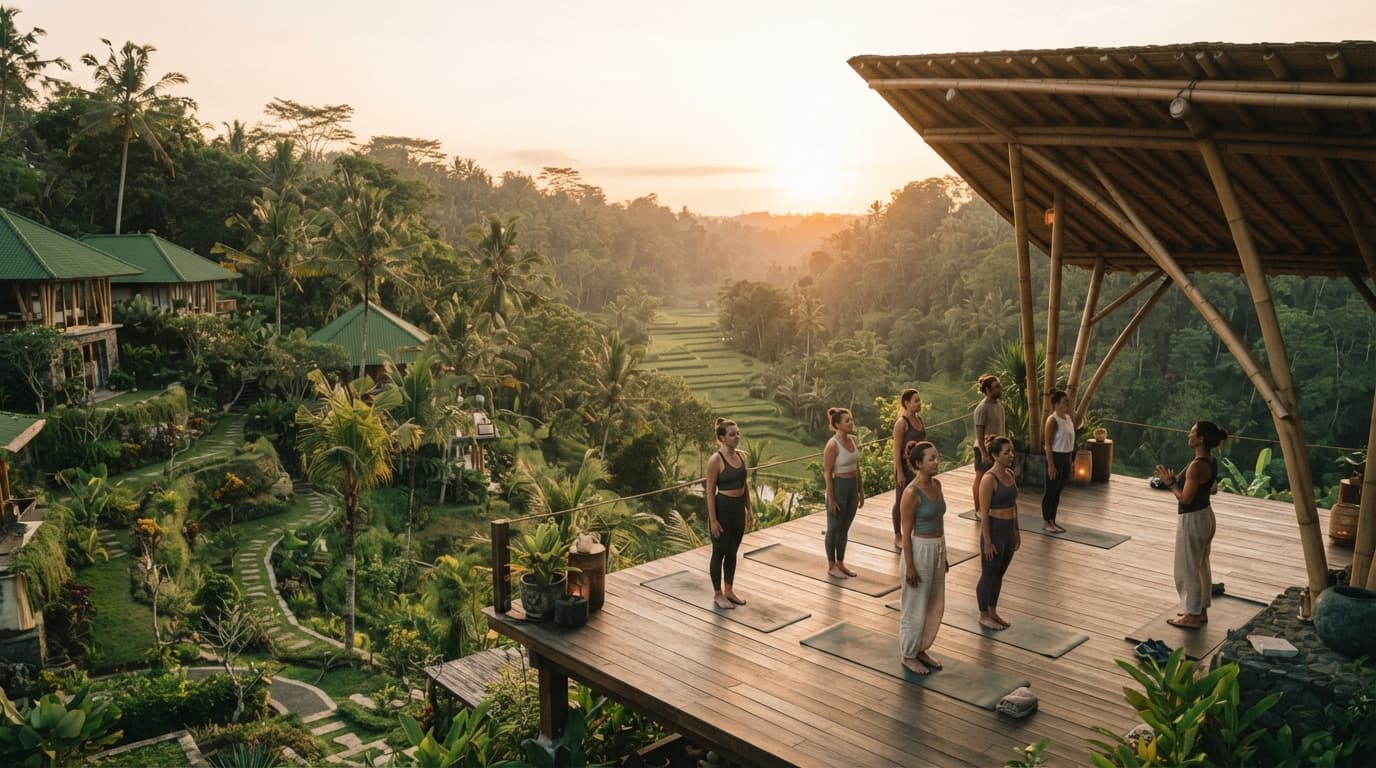
Bali's health and wellness sector is undergoing a notable transformation, reflecting broader global trends towards holistic living and sustainability. This shift is evident across various dimensions of the industry, from fitness and nutrition to mental health and eco-friendly practices, creating new opportunities and challenges for local businesses.
In recent years, Bali has established itself as a global hub for wellness tourism, attracting visitors seeking rejuvenation and healing. According to the Bali Tourism Board, wellness tourism accounted for approximately 14% of total tourist arrivals in 2022, a figure that is expected to rise as more travelers prioritize health-related experiences. This growth is prompting local businesses to innovate and diversify their offerings, catering to an increasingly health-conscious clientele.
One of the most significant trends is the rise of holistic health practices, which integrate physical, mental, and spiritual well-being. Yoga retreats, meditation workshops, and alternative therapies are becoming commonplace, with venues like The Yoga Barn in Ubud leading the charge. Established in 2010, The Yoga Barn has become a sanctuary for wellness seekers, offering a diverse range of classes and workshops that attract thousands each year.
Additionally, the popularity of plant-based diets and organic food has surged in Bali, fueled by a global shift towards sustainable living. Restaurants and cafes across the island are increasingly adopting farm-to-table practices, sourcing ingredients from local organic farms. For instance, the acclaimed restaurant, Zula, emphasizes sustainable sourcing and offers a diverse menu featuring vegan and vegetarian options, catering to the growing demand for healthier dining choices.

Moreover, the mental health aspect of wellness is gaining traction, with local practitioners emphasizing the importance of mental well-being in overall health. Initiatives such as community support groups and workshops on mindfulness are emerging, as locals and expatriates alike acknowledge the mental strains induced by rapid changes in Bali’s socio-economic landscape. The Bali Wellbeing Project, for example, aims to create a supportive community around mental health awareness and promote access to mental health resources.
As the wellness sector evolves, it faces several challenges, particularly in maintaining authenticity while scaling operations. Many local practitioners fear that the commercialization of wellness could dilute the cultural significance of traditional practices. To address this, initiatives like the Bali Wellness Summit are fostering dialogue among stakeholders, encouraging sustainable practices that honor local traditions while meeting global wellness standards.
Environmental sustainability is another critical concern, as the rise of wellness tourism places additional pressure on Bali’s natural resources. The Balinese government and various NGOs are collaborating to promote eco-friendly practices within the wellness sector. For instance, the Green Hotel Association encourages wellness resorts to adopt sustainable operations, including waste reduction and energy-efficient practices. These efforts not only benefit the environment but also appeal to the eco-conscious traveler who prioritizes sustainability in their choices.

Additionally, the integration of technology is reshaping the wellness landscape. Virtual wellness programs have gained popularity, particularly following the COVID-19 pandemic, as practitioners sought to reach clients beyond geographical limitations. Many local wellness centers, such as Radiantly Alive in Ubud, now offer online classes and workshops, allowing them to maintain a global presence while catering to the local community.
Despite these advancements, the wellness sector must navigate the complexities of balancing global trends with local culture. As Bali continues to attract health-conscious tourists, the challenge will be to create an inclusive environment that honors traditional practices while embracing modern innovations. Stakeholders in the wellness community are increasingly aware of this dual responsibility, recognizing that the future of wellness in Bali hinges on sustainable practices that respect both the environment and local culture.
In conclusion, Bali's health and wellness industry is poised for growth, driven by evolving consumer preferences and a commitment to sustainability. By fostering innovation while respecting local traditions, Bali can further solidify its status as a premier destination for health and wellness tourism, ensuring its offerings remain relevant in an ever-changing global landscape.



Read Also from Other Categories

Unveiling Bali's Art Scene: A New Chapter in Cultural Tourism
Bali's art scene is experiencing a transformative revival, attracting tourists and art enthusiasts alike. This cultural renaissance is reshaping visitor experiences and bolstering the local economy through innovative art initiatives and exhibitions.

Local Farmers Rally for Support Amid Bali's Agricultural Policy Shift
As Bali's provincial government implements new agricultural policies, local farmers express concerns over their livelihoods. The shift aims to modernize practices but raises questions about sustainability and community impact.

Investors Shift Focus to Bali's Innovative Aquaculture Ventures in 2023
Bali's aquaculture sector has seen a remarkable 35% increase in investment this year, attracting both local and international funding. The surge is driven by a growing demand for sustainable seafood and innovative farming techniques.

Canggu Residents Alarmed by Rising Incidents of Coastal Erosion
As Canggu's picturesque coastline faces increasing erosion, local residents and businesses express urgent concerns. The ongoing erosion threatens homes, livelihoods, and the area's renowned tourism appeal.

Community-Led Initiatives Foster Urban Infrastructure Growth in Denpasar
Residents of Denpasar are taking the lead in improving urban infrastructure through collaborative projects. Local government support amplifies these initiatives, aiming to enhance the city's livability amidst rapid urbanization.
Bali's New Career Hub: Empowering Local Job Seekers with Innovative Training
Bali's job seekers are gaining new opportunities through a strategic partnership between local businesses and vocational training centers. This initiative aims to equip the workforce with essential skills to meet the demands of a rapidly changing job market.
Comments (0)
No comments yet. Be the first!