Emerging Trends in Bali’s Culinary Tourism: A Taste of Authenticity
Bali's culinary tourism is evolving as visitors seek authentic local experiences. From traditional cooking classes to farm-to-table dining, the island is becoming a hub for food enthusiasts.
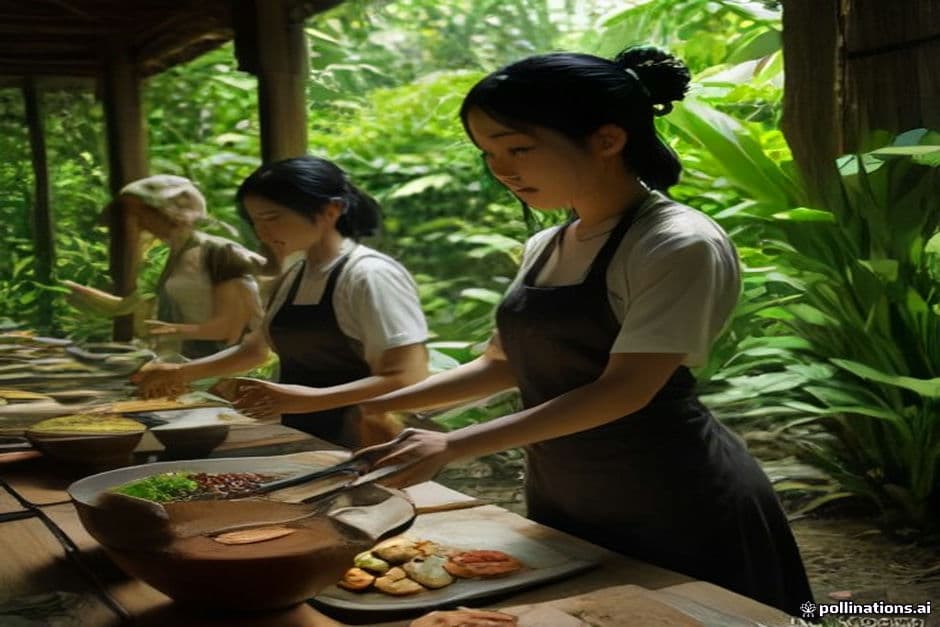
Bali's culinary scene is experiencing a renaissance, with tourists increasingly drawn to authentic local experiences that go beyond the typical dining options. In recent years, the demand for immersive culinary experiences has surged, prompting a shift in how the island's hospitality sector caters to food-loving travelers.
From Ubud to Seminyak, restaurants and culinary schools are adapting to meet this growing interest. Many establishments now offer cooking classes that not only teach tourists how to prepare traditional Balinese dishes but also educate them about the cultural significance of the ingredients and cooking methods. These classes often take place in picturesque settings, such as rice paddies or beachfront venues, enhancing the overall experience.
Local chefs, like Made Putra from Ubud, emphasize the importance of using fresh, locally sourced ingredients. “We want to show visitors how our food is connected to our culture and traditions,” said Putra. This commitment to authenticity is resonating with tourists who are increasingly seeking to understand the stories behind the food they consume.
The farm-to-table movement is another trend gaining traction in Bali's culinary tourism. Many restaurants are forging partnerships with local farmers to ensure that their menus feature seasonal produce. This not only supports the local economy but also provides tourists with the freshest ingredients. Venues such as The Organic Farm in Canggu are at the forefront of this initiative, offering a menu that changes with the seasons, allowing visitors to taste the island's bounty throughout the year.

As the culinary landscape evolves, food festivals are also playing a significant role in attracting visitors. Events like the Ubud Food Festival showcase a wide array of culinary talents, from international chefs to local food artisans. These festivals not only celebrate food but also promote Bali's rich agricultural heritage, highlighting the importance of sustainability and local sourcing.
In addition to cooking classes and festivals, culinary tours are becoming increasingly popular. These guided experiences take tourists through local markets, where they can learn about traditional ingredients and bargaining techniques. Tourists are encouraged to interact with local vendors, fostering a sense of connection and community. Such experiences allow visitors to go beyond the mere act of eating and to engage deeply with the local culture.
The rise of social media has also influenced culinary tourism in Bali. Many travelers are now documenting their food experiences on platforms like Instagram, driving interest in unique dining spots. Restaurants are adapting by creating visually appealing dishes specifically designed for social media sharing. This phenomenon has led to the emergence of several Instagrammable cafes and eateries that prioritize presentation alongside flavor.

While the push for authentic culinary experiences is positive, it is essential to balance tourism with the preservation of local traditions and practices. As the industry grows, there is a risk of commercialization overshadowing the authenticity that draws visitors in the first place. Local chefs and stakeholders are calling for a sustainable approach that respects and preserves Balinese cuisine.
Looking ahead, Bali's culinary tourism is poised for continued growth. With ongoing investments in culinary education and infrastructure, the island is well-positioned to become a leading destination for food enthusiasts. As travelers seek deeper connections to the places they visit, Bali's commitment to authenticity and sustainability in its culinary offerings will likely play a crucial role in shaping its tourism landscape.



Read Also from Other Categories

Local Farmers Rally for Support Amid Bali's Agricultural Policy Shift
As Bali's provincial government implements new agricultural policies, local farmers express concerns over their livelihoods. The shift aims to modernize practices but raises questions about sustainability and community impact.

Investors Shift Focus to Bali's Innovative Aquaculture Ventures in 2023
Bali's aquaculture sector has seen a remarkable 35% increase in investment this year, attracting both local and international funding. The surge is driven by a growing demand for sustainable seafood and innovative farming techniques.

Canggu Residents Alarmed by Rising Incidents of Coastal Erosion
As Canggu's picturesque coastline faces increasing erosion, local residents and businesses express urgent concerns. The ongoing erosion threatens homes, livelihoods, and the area's renowned tourism appeal.

Community-Led Initiatives Foster Urban Infrastructure Growth in Denpasar
Residents of Denpasar are taking the lead in improving urban infrastructure through collaborative projects. Local government support amplifies these initiatives, aiming to enhance the city's livability amidst rapid urbanization.
Bali's New Career Hub: Empowering Local Job Seekers with Innovative Training
Bali's job seekers are gaining new opportunities through a strategic partnership between local businesses and vocational training centers. This initiative aims to equip the workforce with essential skills to meet the demands of a rapidly changing job market.

Cafes and Culture: The Role of Community Spaces in Bali's Recovery
As Bali emerges from the pandemic, community cafes are becoming vital hubs for cultural exchange and economic revitalization. These spaces are not only serving coffee but also fostering a sense of belonging and collaboration among locals and visitors alike.
Comments (0)
No comments yet. Be the first!