Emergency Response Strained as Bali Faces Increased Tsunami Threats
Bali's coastal communities are bracing for potential tsunami threats as geological activity heightens concerns. Local emergency services are under pressure to enhance preparedness and response protocols amidst rising seismic activity in the region.
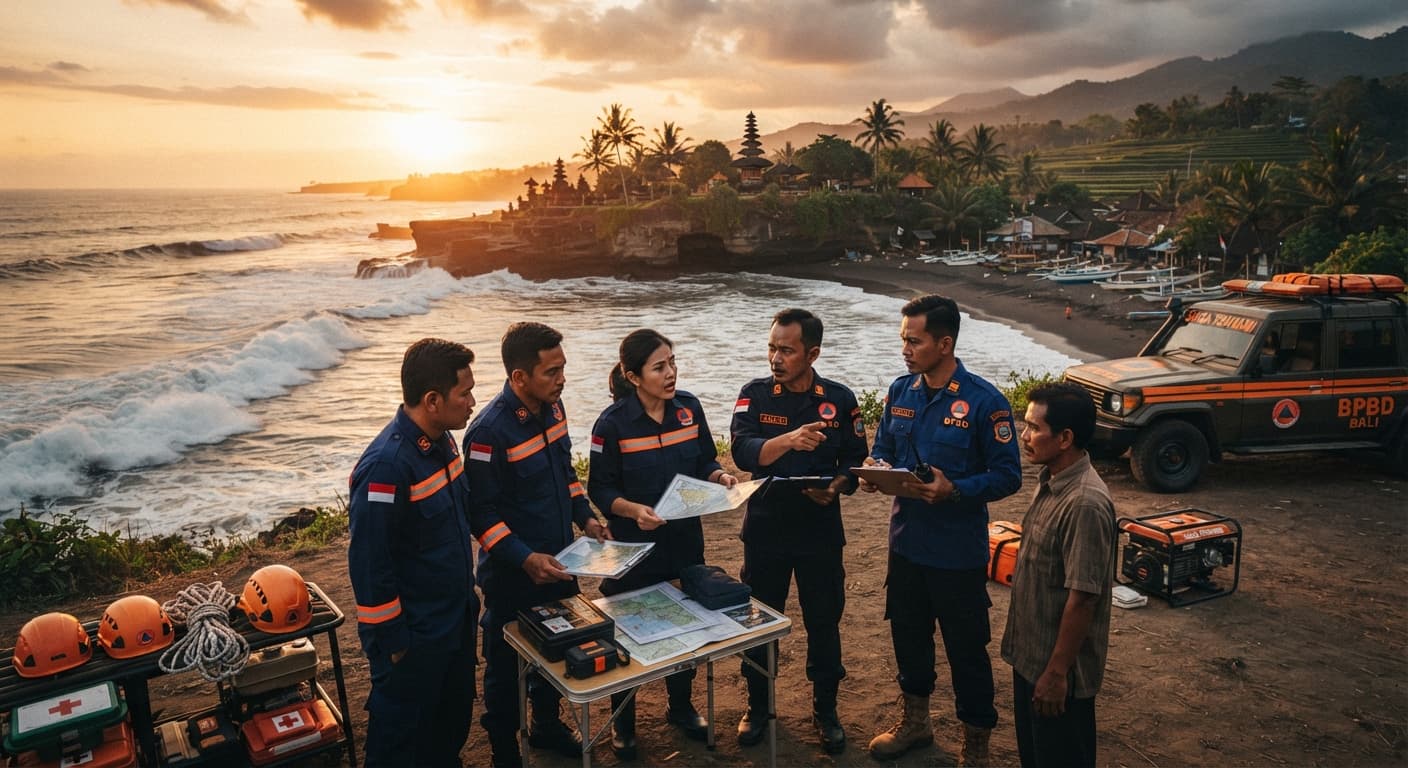
Bali's coastal communities are on high alert following recent geological assessments indicating an increased risk of tsunamis. The Indonesian Meteorology, Climatology and Geophysics Agency (BMKG) has reported a series of seismic activities in the region, prompting local authorities to enhance their emergency response capabilities.
In the past month, Bali has experienced several tremors, including a notable 5.6 magnitude earthquake near the island's southern coast. Seismologists have linked these tremors to shifting tectonic plates in the region, raising concerns over possible tsunami implications. The last significant tsunami event impacting Bali was in 2004, leading to devastating consequences, and the memory of that disaster is still fresh in the minds of many residents.
Local government officials, including the Head of the Bali Disaster Management Agency, have convened emergency meetings to discuss preparedness strategies. "We are working closely with BMKG to monitor seismic activities and ensure that our communities are ready for any eventualities," said Nyoman Gede Suastra, emphasizing the importance of timely evacuations and public awareness campaigns.
Emergency response drills are being scheduled across coastal areas, particularly in popular tourist destinations such as Kuta and Seminyak, where local authorities believe that the risk is higher due to the dense population and influx of tourists. The drills will encompass evacuation procedures, communication strategies, and coordination with local businesses to ensure everyone is informed and prepared.
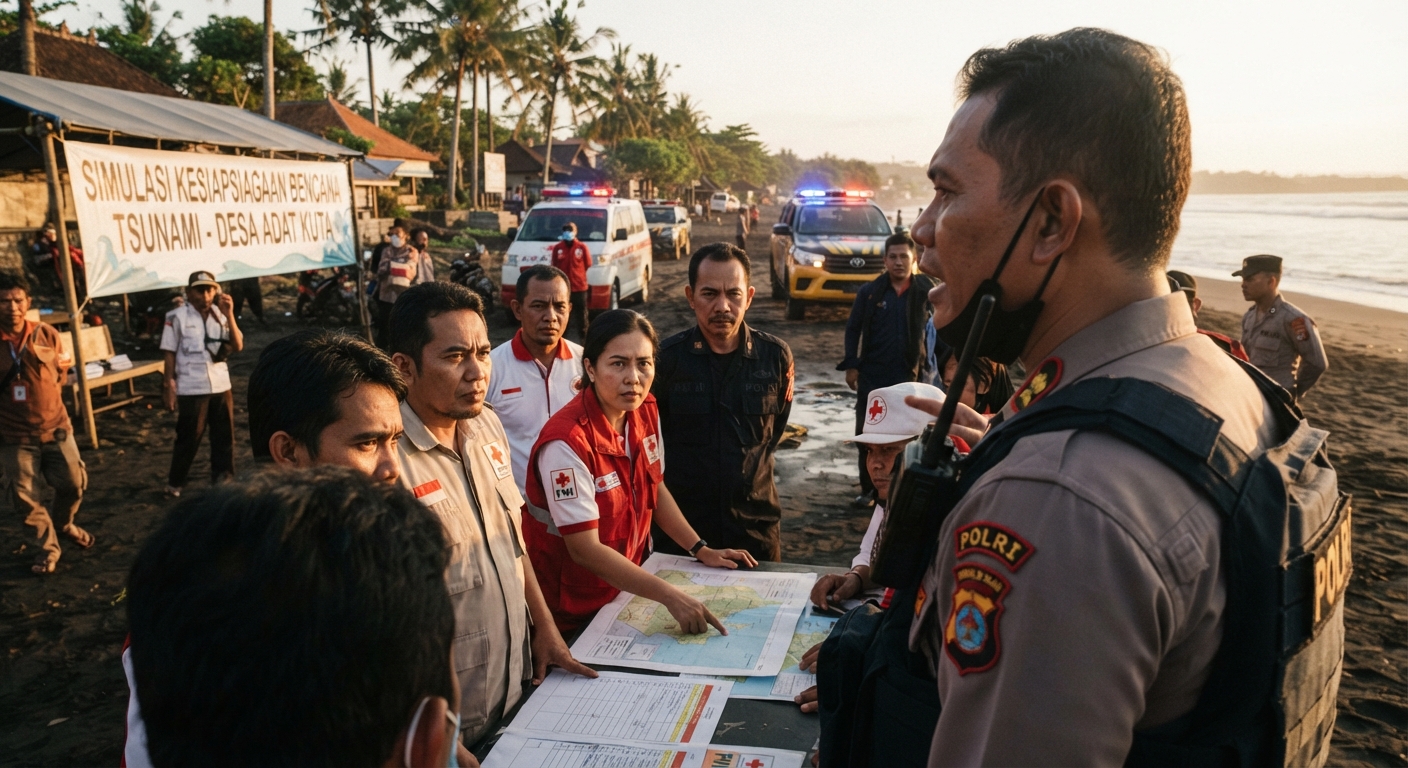
The potential impact of a tsunami on Bali's tourism sector cannot be understated. With millions of international tourists visiting the island annually, the threat of a natural disaster poses significant risks not only to public safety but also to the economy. The Bali Tourism Board is actively working to develop contingency plans that prioritize both visitor safety and the continuity of tourism operations.
Furthermore, the government has initiated a campaign to educate residents and tourists about tsunami risks and safety measures. Informational signage is being installed along the coast, and social media campaigns are underway to spread awareness. Local businesses are also encouraged to participate by providing information to their customers about evacuation routes and safety protocols.
Despite these proactive measures, some residents express concerns about the effectiveness of the preparations. A local fisherman from Jimbaran, Made Wayan, stated, "We are used to living with the ocean, but the fear of a tsunami is always in the back of our minds. We hope that authorities will take this seriously and that we will be well-prepared if something happens."

Experts stress that while the risk of a tsunami cannot be eliminated, effective preparedness can significantly reduce the impact. Dr. Rudi Hartono, a geologist at Udayana University, noted, "Understanding the geological conditions and implementing early warning systems is crucial. The community must be educated about the signs of a tsunami and how to react quickly."
As the seismic activity continues, Bali's response to this emerging threat will be closely monitored. The collaboration between local authorities, disaster management agencies, and the public will be essential in ensuring the safety and resilience of Bali's coastal communities against potential tsunami threats.



Read Also from Other Categories

Unveiling Bali's Art Scene: A New Chapter in Cultural Tourism
Bali's art scene is experiencing a transformative revival, attracting tourists and art enthusiasts alike. This cultural renaissance is reshaping visitor experiences and bolstering the local economy through innovative art initiatives and exhibitions.

Local Farmers Rally for Support Amid Bali's Agricultural Policy Shift
As Bali's provincial government implements new agricultural policies, local farmers express concerns over their livelihoods. The shift aims to modernize practices but raises questions about sustainability and community impact.

Investors Shift Focus to Bali's Innovative Aquaculture Ventures in 2023
Bali's aquaculture sector has seen a remarkable 35% increase in investment this year, attracting both local and international funding. The surge is driven by a growing demand for sustainable seafood and innovative farming techniques.

Community-Led Initiatives Foster Urban Infrastructure Growth in Denpasar
Residents of Denpasar are taking the lead in improving urban infrastructure through collaborative projects. Local government support amplifies these initiatives, aiming to enhance the city's livability amidst rapid urbanization.
Bali's New Career Hub: Empowering Local Job Seekers with Innovative Training
Bali's job seekers are gaining new opportunities through a strategic partnership between local businesses and vocational training centers. This initiative aims to equip the workforce with essential skills to meet the demands of a rapidly changing job market.

Cafes and Culture: The Role of Community Spaces in Bali's Recovery
As Bali emerges from the pandemic, community cafes are becoming vital hubs for cultural exchange and economic revitalization. These spaces are not only serving coffee but also fostering a sense of belonging and collaboration among locals and visitors alike.
Comments (0)
No comments yet. Be the first!