Emergency Response Challenges as Bali Faces Increasing Flood Risks
Bali's recent weather patterns have led to a surge in flooding incidents, putting local emergency services to the test. Authorities are urging residents to prepare for potential evacuations as heavy rains are predicted to continue.
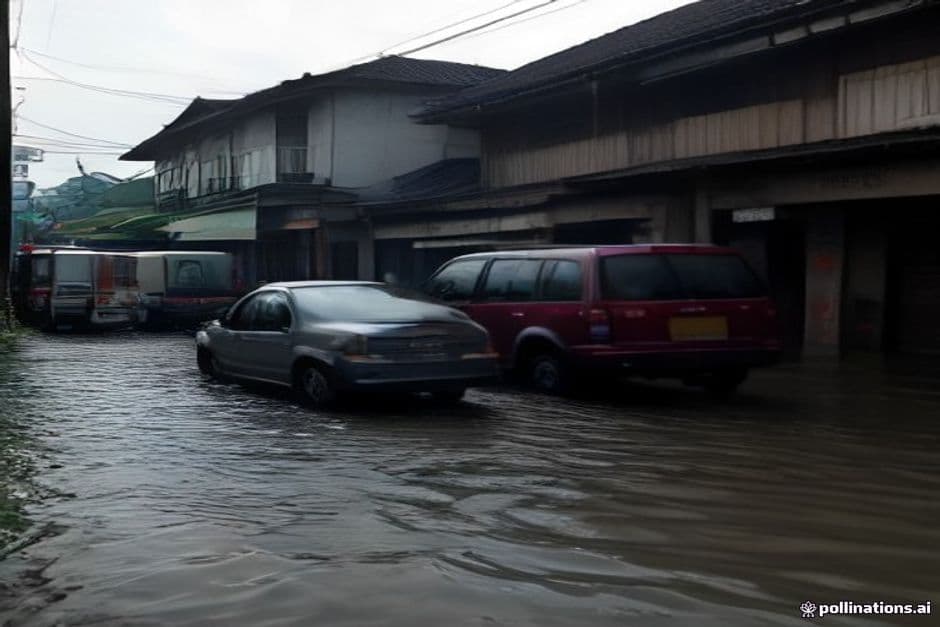
In recent weeks, Bali has been grappling with a series of intense rainstorms that have resulted in widespread flooding across various regions of the island. The heavy downpours have caused significant disruptions, affecting both local residents and tourists alike. Emergency services have reported a marked increase in distress calls related to flooding incidents, prompting officials to reassess their preparedness and response strategies.
The first signs of trouble appeared in early October when the Meteorology, Climatology, and Geophysics Agency (BMKG) issued warnings about heavy rainfall expected to last for several days. These warnings proved prescient as areas such as Ubud, Denpasar, and Canggu experienced flooding that submerged roads, disrupted transportation, and led to property damage. Local authorities have been mobilizing resources to assist affected communities, but the scale of the flooding has stretched their capabilities.
“We have activated all available emergency response units to assist in the areas most affected,” said the Head of Bali's Disaster Mitigation Agency, I Gusti Ngurah Rai. “However, the severity of the rainfall has made it challenging to keep up with the needs of the community.” Many residents have found themselves stranded in their homes as access routes became impassable.
In Ubud, which is known for its lush green landscapes and vibrant arts scene, the flooding has impacted not only local businesses but also the tourism sector. Hotels and resorts have reported cancellations, leading to concerns about the financial implications for the already struggling industry. The local government has begun coordinating with tourism stakeholders to devise contingency plans to mitigate losses and ensure the safety of visitors.

As the rainy season progresses, forecasts indicate that the threat of further flooding remains high. The Bali Provincial Government has announced plans to conduct assessments of critical infrastructure and to bolster flood defenses in vulnerable areas. This includes enhancing drainage systems and implementing better land management practices to reduce runoff.
Community involvement is also being emphasized, with local leaders urging residents to prepare emergency kits and stay informed about weather updates. Educational campaigns are being organized to help residents understand the risks associated with flooding and how to respond effectively. “Preparedness is key,” said I Gusti Ngurah Rai. “We want to ensure that residents know how to protect themselves and their families.”
Meanwhile, the Bali Health Agency is on high alert for potential health crises that often follow flooding, such as waterborne diseases. With many households in low-lying areas being cut off from clean water supplies, the agency is working to provide access to safe drinking water and sanitation facilities. They are also conducting health monitoring in affected areas to prevent outbreaks.
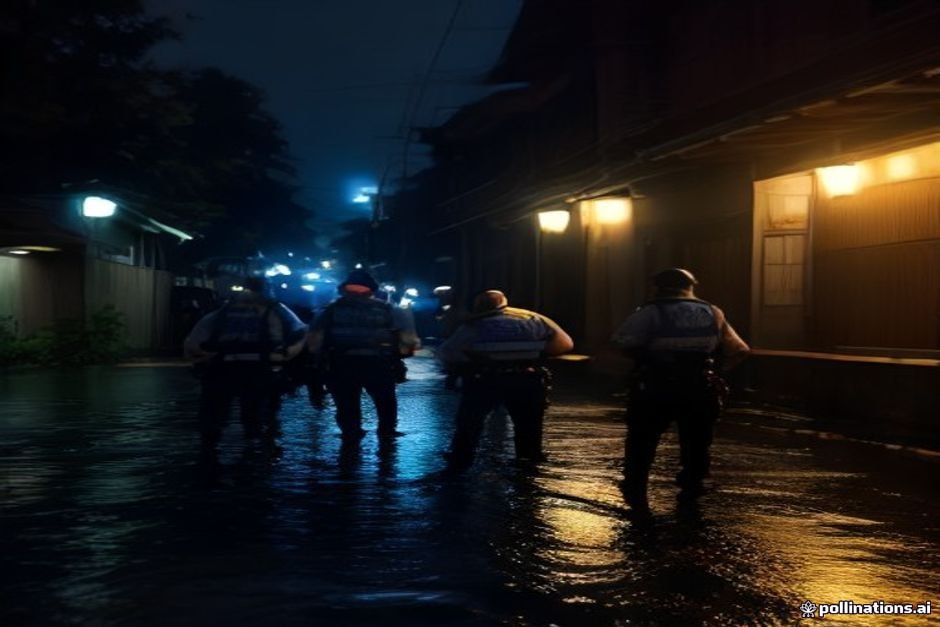
The economic repercussions of the flooding are already being felt, and experts predict that the long-term implications could be significant if the situation does not improve. Analysts warn that continuous flooding could deter tourists, which would have a cascading effect on the local economy. The Bali Tourism Board is actively working to manage perceptions and reassure potential visitors about the safety of traveling to Bali.
Looking ahead, the government is examining the feasibility of implementing more robust environmental policies aimed at sustainable development. The relationship between natural disasters and climate change is becoming increasingly evident, prompting calls for a more proactive approach to land use and urban planning. “We need to rethink our strategies and prioritize resilience in the face of these challenges,” noted an environmental expert from Udayana University.
As Bali continues to navigate the challenges posed by severe weather patterns, the need for effective emergency response systems and community resilience will be paramount. With the rainy season far from over, authorities and residents alike must remain vigilant to mitigate the impacts of flooding and protect the island's future.



Read Also from Other Categories

Unveiling Bali's Art Scene: A New Chapter in Cultural Tourism
Bali's art scene is experiencing a transformative revival, attracting tourists and art enthusiasts alike. This cultural renaissance is reshaping visitor experiences and bolstering the local economy through innovative art initiatives and exhibitions.

Local Farmers Rally for Support Amid Bali's Agricultural Policy Shift
As Bali's provincial government implements new agricultural policies, local farmers express concerns over their livelihoods. The shift aims to modernize practices but raises questions about sustainability and community impact.

Investors Shift Focus to Bali's Innovative Aquaculture Ventures in 2023
Bali's aquaculture sector has seen a remarkable 35% increase in investment this year, attracting both local and international funding. The surge is driven by a growing demand for sustainable seafood and innovative farming techniques.

Community-Led Initiatives Foster Urban Infrastructure Growth in Denpasar
Residents of Denpasar are taking the lead in improving urban infrastructure through collaborative projects. Local government support amplifies these initiatives, aiming to enhance the city's livability amidst rapid urbanization.
Bali's New Career Hub: Empowering Local Job Seekers with Innovative Training
Bali's job seekers are gaining new opportunities through a strategic partnership between local businesses and vocational training centers. This initiative aims to equip the workforce with essential skills to meet the demands of a rapidly changing job market.

Cafes and Culture: The Role of Community Spaces in Bali's Recovery
As Bali emerges from the pandemic, community cafes are becoming vital hubs for cultural exchange and economic revitalization. These spaces are not only serving coffee but also fostering a sense of belonging and collaboration among locals and visitors alike.
Comments (0)
No comments yet. Be the first!