Eco-Village Movement Gains Momentum in Bali's Rural Heartlands
As Bali embraces sustainable living, eco-villages are emerging as a transformative solution for rural communities. These initiatives not only promote environmental stewardship but also foster local culture and economic resilience.

In the serene landscape of Tabanan, a group of villagers gathers at dawn, their laughter mingling with the sounds of chirping birds and rustling leaves. They are not just preparing for another day of farming; they are part of a groundbreaking eco-village movement that is reshaping the very fabric of rural life in Bali. Here, amidst lush rice fields and traditional Balinese homes, the community is blending age-old practices with modern sustainability principles.
The eco-village initiative, spearheaded by local leaders and supported by various NGOs, aims to create self-sufficient communities that prioritize environmental health, cultural preservation, and economic viability. “We are not just building homes; we are building a future,” says Made Sudarma, a local farmer and one of the initiative's key advocates. “This is about returning to our roots and finding harmony with nature.”
At its core, the movement embraces permaculture principles, encouraging organic farming practices that reduce reliance on harmful chemicals and promote biodiversity. Villagers are learning to cultivate their land in ways that respect the natural ecosystem, utilizing techniques that have been passed down through generations. The results are promising: increased crop yields, improved soil health, and a resurgence of native plant species.
In addition to agriculture, the eco-village movement emphasizes community-led tourism that showcases the rich cultural heritage of Bali. Visitors are invited to experience traditional Balinese ceremonies, cooking classes, and craft workshops, all while supporting the local economy. “We want tourists to come here and see the real Bali, not just the commercialized version,” explains Ibu Nyoman, a local artisan. “By sharing our culture, we can create a sustainable income for our families.”

Infrastructure improvements are also a vital aspect of the eco-village model. The local government has recognized the need for sustainable development and is investing in renewable energy sources, such as solar panels and biogas systems, to power homes within the villages. These initiatives not only reduce carbon footprints but also lower living costs for residents. As Bali grapples with the impacts of climate change, such innovations are becoming increasingly essential.
The success of the eco-village movement is drawing attention beyond Bali. Environmentalists and policymakers from across Indonesia are visiting to learn from this grassroots initiative. “Bali is setting a precedent for sustainable living in Indonesia,” notes Dr. Rina Hartanto, an environmental scientist. “What’s happening here could inspire similar movements in other regions.”
However, the path to sustainability is not without challenges. The movement faces opposition from developers eager to capitalize on Bali’s booming tourism sector, often prioritizing short-term profits over long-term ecological health. Local activists are working tirelessly to protect their land and ensure that development aligns with community values. “We must advocate for our rights and our environment,” urges Sudarma. “This is our home, and we have to defend it.”
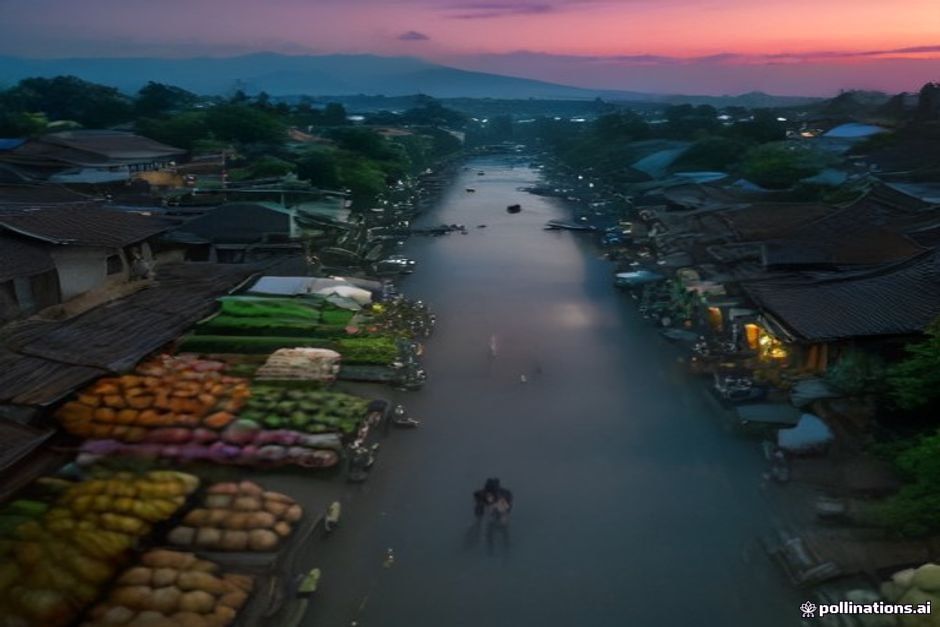
As the sun sets over the rice fields, the villagers gather once more, this time for a communal meal made from their own harvest. The air is filled with the aroma of spices and the warmth of shared stories. In this moment, the essence of the eco-village movement is palpable: a commitment to sustainability, a celebration of culture, and a vision for a harmonious future.
Looking ahead, the eco-village initiative in Tabanan aims to expand its reach, providing training programs for neighboring communities and creating a network of eco-villages across Bali. The hope is that by working together, rural communities can build resilience against the pressures of modernization while preserving their unique identities. “We are planting seeds of change,” says Ibu Nyoman, her eyes sparkling with determination. “And we believe they will grow into something beautiful.”



Read Also from Other Categories

Unveiling Bali's Art Scene: A New Chapter in Cultural Tourism
Bali's art scene is experiencing a transformative revival, attracting tourists and art enthusiasts alike. This cultural renaissance is reshaping visitor experiences and bolstering the local economy through innovative art initiatives and exhibitions.

Local Farmers Rally for Support Amid Bali's Agricultural Policy Shift
As Bali's provincial government implements new agricultural policies, local farmers express concerns over their livelihoods. The shift aims to modernize practices but raises questions about sustainability and community impact.

Investors Shift Focus to Bali's Innovative Aquaculture Ventures in 2023
Bali's aquaculture sector has seen a remarkable 35% increase in investment this year, attracting both local and international funding. The surge is driven by a growing demand for sustainable seafood and innovative farming techniques.

Canggu Residents Alarmed by Rising Incidents of Coastal Erosion
As Canggu's picturesque coastline faces increasing erosion, local residents and businesses express urgent concerns. The ongoing erosion threatens homes, livelihoods, and the area's renowned tourism appeal.
Bali's New Career Hub: Empowering Local Job Seekers with Innovative Training
Bali's job seekers are gaining new opportunities through a strategic partnership between local businesses and vocational training centers. This initiative aims to equip the workforce with essential skills to meet the demands of a rapidly changing job market.

Cafes and Culture: The Role of Community Spaces in Bali's Recovery
As Bali emerges from the pandemic, community cafes are becoming vital hubs for cultural exchange and economic revitalization. These spaces are not only serving coffee but also fostering a sense of belonging and collaboration among locals and visitors alike.
Comments (0)
No comments yet. Be the first!