DPR Calls for Enhanced Monitoring of Foreign Nationals in Bali
A call for improved oversight of foreign nationals in Bali emerges amid rising concerns over compliance and community safety.
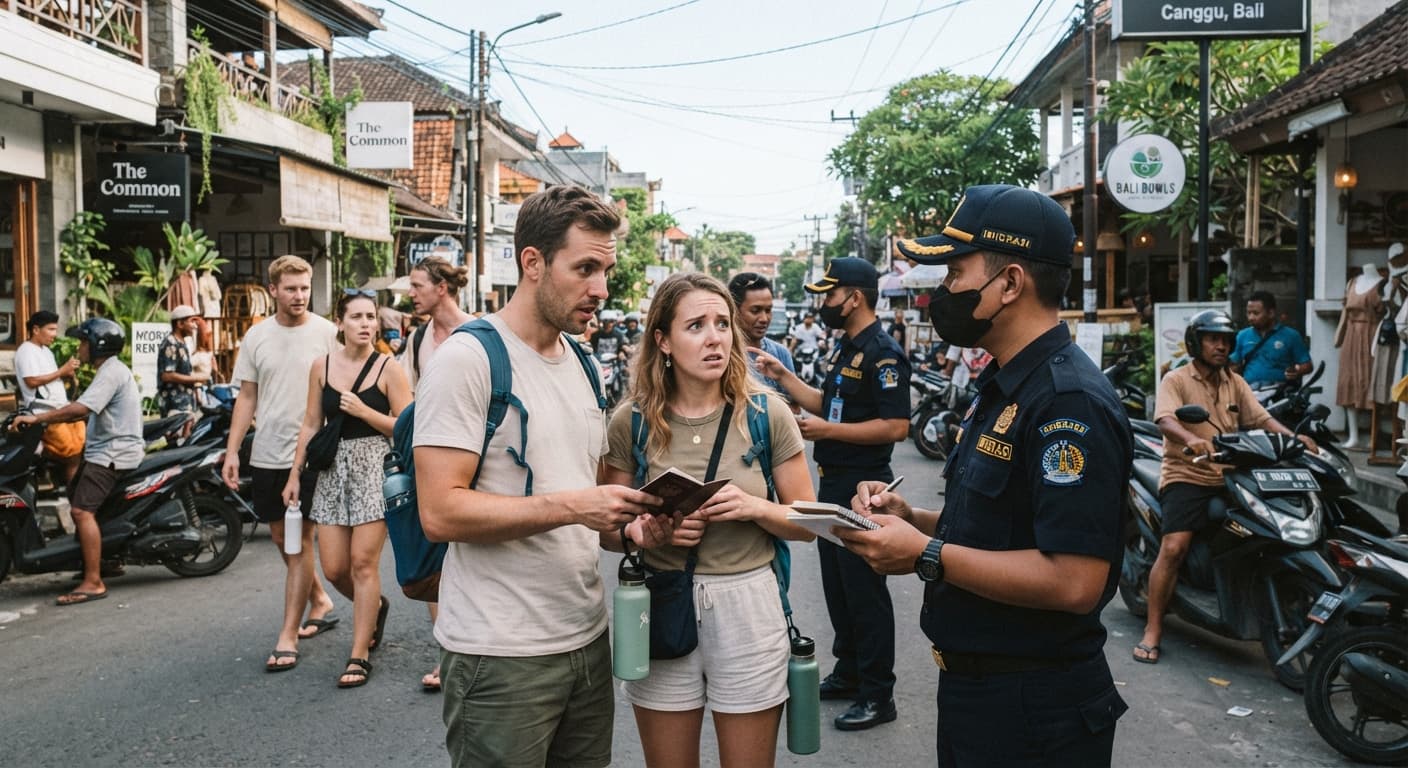
In a significant statement reflecting ongoing tensions regarding the presence of foreign nationals in Bali, Mafirion Syamsuddin Rogo, a member of the Indonesian House of Representatives (DPR), emphasized the necessity for stronger supervisory measures. His comments come amidst a backdrop of recurrent issues linked to foreign tourists, highlighting a pressing need for systemic changes rather than reactive measures.
During a recent impromptu inspection by the Director General of Immigration in the Canggu area of Bali, Rogo acknowledged the efforts made by immigration authorities but underscored that oversight cannot be limited to moments when incidents gain traction on social media. "If issues concerning foreign nationals have repeatedly arisen in Bali, it indicates that we need to evaluate not only the individuals involved but also the monitoring systems in place," Rogo asserted on August 30, 2026.
The call for enhanced scrutiny is particularly pertinent given that Bali serves as a primary entry point for foreigners into Indonesia. Rogo articulated that the monitoring process must encompass the entire duration of a foreign national's stay, from entry to departure, rather than merely focusing on passport checks and residency permits. Statistical data from the Indonesian Tourism Ministry indicates that in 2025, over 6 million foreign tourists visited Bali, a figure that underscores the island's significance in the global tourism market.
Rogo's concerns are not unfounded, as various incidents involving foreign nationals have surfaced over the years, ranging from legal violations to social disturbances. For instance, in July 2026, two foreign nationals were detained for organizing an event that reportedly discriminated against Indonesian citizens. Such occurrences have prompted public outcry and raised questions regarding the effectiveness of existing regulatory frameworks.
"The state must act swiftly to ensure that it does not lag behind in enforcing regulations against violations," Rogo stressed, advocating for a proactive rather than reactive approach to foreign oversight. This sentiment resonates with a broader movement within Indonesian governance, aiming to reassess and fortify immigration policies amid evolving global dynamics and increasing international mobility.
In response to these developments, the Immigration Directorate has acknowledged the need for improved oversight mechanisms that extend beyond mere compliance checks. A spokesperson from the Directorate stated, "We are in the process of evaluating our monitoring systems to enhance our ability to manage foreign nationals effectively, ensuring compliance with Indonesian laws while maintaining the integrity of Bali's social fabric." This response indicates a recognition at the institutional level of the necessity for reform.
Furthermore, tourism stakeholders are increasingly vocal about the implications of inadequate foreign oversight. Local business owners have expressed concerns that unchecked foreign activities may undermine community trust and the overall tourism experience. In a recent survey conducted by the Bali Tourism Council, 72% of respondents indicated that they believe stricter regulations governing foreign nationals are essential for the island's social harmony and economic stability.
As Bali continues to navigate the complexities of international tourism, the call for enhanced monitoring of foreign nationals represents a crucial step toward ensuring that both visitors and locals can coexist peacefully and productively. The situation invites a broader consideration of how Indonesia can balance the benefits of tourism with the need for regulatory diligence, especially in regions like Bali that are disproportionately impacted by foreign presence.
Looking ahead, it remains to be seen how the government will respond to these calls for action. The effectiveness of any potential reforms will likely hinge on collaborative efforts between governmental bodies, local communities, and the tourism industry, ensuring that Bali can maintain its status as a premier destination while safeguarding the interests of its residents.



Read Also from Other Categories

Emerging Trends in Bali's Adventure Tourism: Thrilling New Experiences Await
Bali's adventure tourism sector is rapidly evolving, offering visitors thrilling experiences that go beyond traditional attractions. From canyoning in Ubud to zip-lining in Gianyar, the island is becoming a hub for adrenaline seekers and nature enthusiasts alike.

Investors Shift Focus to Bali's Innovative Aquaculture Ventures in 2023
Bali's aquaculture sector has seen a remarkable 35% increase in investment this year, attracting both local and international funding. The surge is driven by a growing demand for sustainable seafood and innovative farming techniques.

Canggu Residents Alarmed by Rising Incidents of Coastal Erosion
As Canggu's picturesque coastline faces increasing erosion, local residents and businesses express urgent concerns. The ongoing erosion threatens homes, livelihoods, and the area's renowned tourism appeal.

Community-Led Initiatives Foster Urban Infrastructure Growth in Denpasar
Residents of Denpasar are taking the lead in improving urban infrastructure through collaborative projects. Local government support amplifies these initiatives, aiming to enhance the city's livability amidst rapid urbanization.
Bali's New Career Hub: Empowering Local Job Seekers with Innovative Training
Bali's job seekers are gaining new opportunities through a strategic partnership between local businesses and vocational training centers. This initiative aims to equip the workforce with essential skills to meet the demands of a rapidly changing job market.

Navigating Bali's Evolving Social Landscape: Challenges and Opportunities
As Bali grapples with increasing social disparities, experts urge a reevaluation of community policies. Understanding these shifts is crucial for fostering a more equitable future for all residents.
Comments (0)
No comments yet. Be the first!