Cultural Treasures Await: Bali's Resurgence of Local Festivals in 2026
As Bali prepares for a bustling festival season, local communities are revitalizing traditional celebrations that attract both locals and tourists. This cultural resurgence promises a unique blend of heritage and modernity, enhancing visitor experiences across the island.
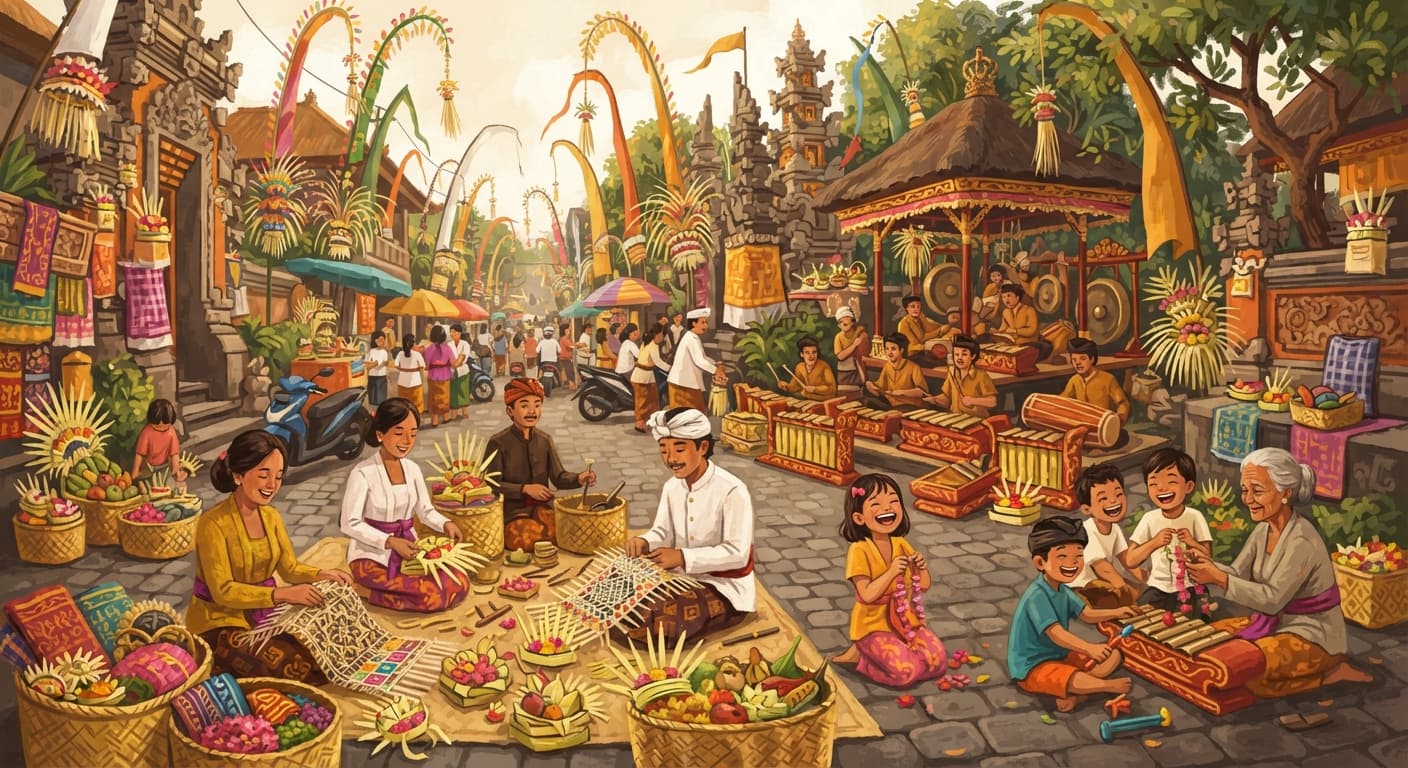
On a sun-drenched afternoon in Ubud, the vibrant sound of traditional Balinese gamelan music fills the air as a group of local artisans adorn colorful offerings for the upcoming Galungan festival. Children dart between stalls showcasing exquisite handicrafts, while the scent of incense wafts through the bustling streets, inviting residents and tourists alike to partake in the festivities. This scene encapsulates a broader trend on the island, where cultural festivals are seeing a robust revival, breathing new life into Bali's tourism landscape.
In 2026, Bali's festival calendar is not only packed with the usual celebrations but also features several newly established events aimed at showcasing the island's rich cultural heritage. The Galungan festival, a celebration of the victory of dharma over adharma, is set to attract thousands this year, as both locals and visitors embrace the opportunity to immerse themselves in Balinese traditions. The festival's significance is magnified by its communal spirit, where families come together to create offerings and partake in ceremonies, serving as a reminder of the island's deep-rooted values.
Local government officials have noted a marked increase in participation rates in these festivals, with the Ubud Tourism Board reporting a 30% rise in visitor numbers during the peak festival months compared to the previous year. "These festivals not only celebrate our heritage but also support local economies by attracting tourists who are eager for authentic experiences," says Nyoman Suwatra, Head of the Ubud Tourism Board. He emphasizes that the revitalization of these traditions is crucial for both cultural preservation and economic sustainability.
The resurgence of local festivals is also mirrored in the increasing involvement of community-based organizations that are keen to preserve and promote Balinese culture. For instance, the newly formed Bali Cultural Association has been instrumental in organizing workshops and events that highlight traditional crafts, dance, and music. This initiative not only provides a platform for local artists but also engages tourists in hands-on cultural experiences, reinforcing the idea that tourism can be a vehicle for cultural exchange.
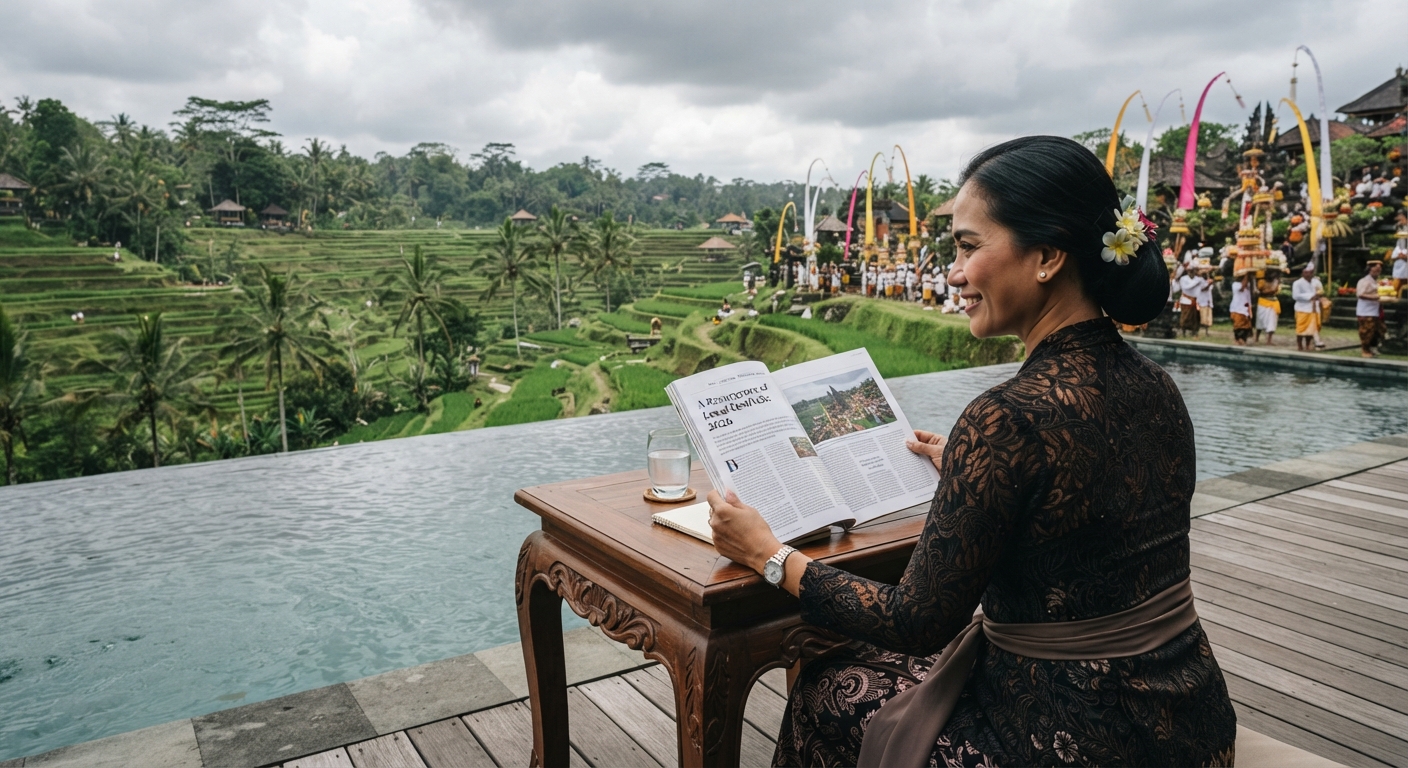
Another noteworthy festival this year is the inaugural Bali Arts Festival in Denpasar, which aims to showcase not only traditional arts but also contemporary interpretations by local artists. Scheduled for July, the festival will feature art installations, performances, and workshops designed to appeal to a diverse audience. This blending of old and new reflects a growing trend where younger generations of Balinese are eager to innovate while staying connected to their cultural roots.
As the island gears up for its festival season, the hospitality sector is also feeling the positive impact. Hotels and resorts are tailoring packages that include festival experiences, allowing guests to participate in local rituals and celebrations. The Bali Beach Resort in Nusa Dua has introduced a special Galungan package that includes traditional cooking classes and guided tours of local temples. This initiative not only enhances the visitor experience but also fosters a deeper appreciation for Balinese culture.
However, the resurgence of festivals is not without its challenges. Local communities are navigating the delicate balance between preserving their cultural identity and accommodating the growing influx of tourists. Some residents express concerns about commercialization overshadowing traditional practices. "We want to share our culture, but it should be done respectfully," says Made Putu, a local artisan in Ubud. This sentiment resonates with many who fear that the essence of their customs may be diluted in the pursuit of profit.

To address these concerns, local authorities are working closely with community leaders and tourism stakeholders to develop guidelines that safeguard cultural integrity while promoting tourism. These efforts include establishing a code of conduct for festival organizers and ensuring that profits generated from events are reinvested into the community.
Looking ahead, the future of Bali's cultural festivals seems bright, with plans for additional events that celebrate various aspects of Balinese life, from agriculture to spirituality. As the island continues to embrace its heritage, the festival season serves as a reminder of the importance of cultural preservation in the face of modernization. Ultimately, the success of Bali's tourism will hinge on its ability to maintain a balance between welcoming visitors and cherishing its unique cultural tapestry.



Read Also from Other Categories

Local Farmers Rally for Support Amid Bali's Agricultural Policy Shift
As Bali's provincial government implements new agricultural policies, local farmers express concerns over their livelihoods. The shift aims to modernize practices but raises questions about sustainability and community impact.

Investors Shift Focus to Bali's Innovative Aquaculture Ventures in 2023
Bali's aquaculture sector has seen a remarkable 35% increase in investment this year, attracting both local and international funding. The surge is driven by a growing demand for sustainable seafood and innovative farming techniques.

Canggu Residents Alarmed by Rising Incidents of Coastal Erosion
As Canggu's picturesque coastline faces increasing erosion, local residents and businesses express urgent concerns. The ongoing erosion threatens homes, livelihoods, and the area's renowned tourism appeal.
Community-Led Initiatives Foster Urban Infrastructure Growth in Denpasar
Residents of Denpasar are taking the lead in improving urban infrastructure through collaborative projects. Local government support amplifies these initiatives, aiming to enhance the city's livability amidst rapid urbanization.
Bali's New Career Hub: Empowering Local Job Seekers with Innovative Training
Bali's job seekers are gaining new opportunities through a strategic partnership between local businesses and vocational training centers. This initiative aims to equip the workforce with essential skills to meet the demands of a rapidly changing job market.
Cafes and Culture: The Role of Community Spaces in Bali's Recovery
As Bali emerges from the pandemic, community cafes are becoming vital hubs for cultural exchange and economic revitalization. These spaces are not only serving coffee but also fostering a sense of belonging and collaboration among locals and visitors alike.
Comments (0)
No comments yet. Be the first!