Cultural Tourism in Bali: New Experiences Ignite Visitor Interest
Bali's tourism landscape is evolving as cultural experiences gain traction among travelers. With local traditions and community engagement at the forefront, the island is redefining what it means to visit Bali.
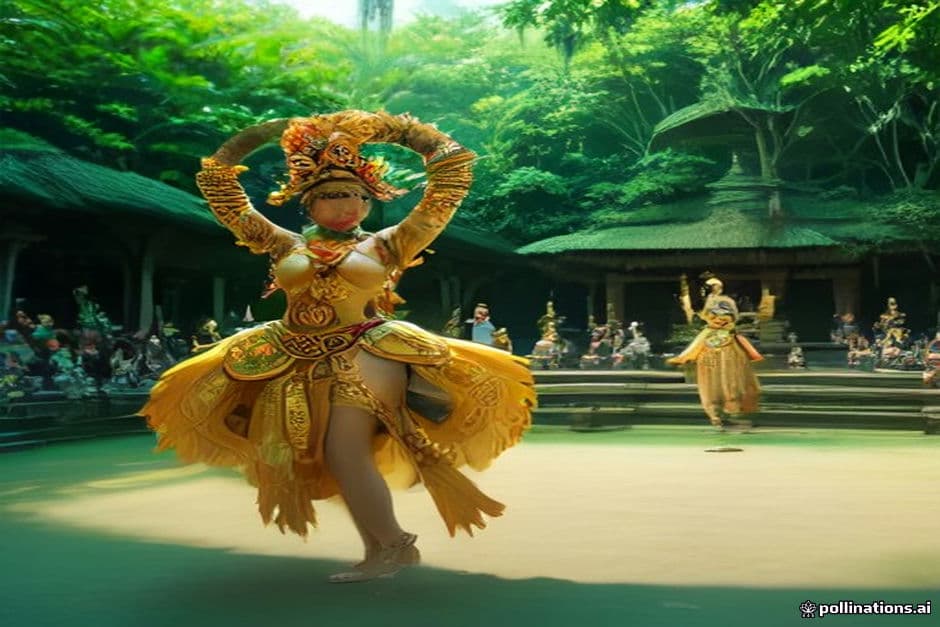
Bali's tourism industry is witnessing a significant transformation as cultural experiences become a focal point for attracting visitors. As the island continues to recover from the impacts of the pandemic, local communities and cultural organizations are stepping up to offer unique opportunities that resonate with travelers seeking authentic interactions and immersive experiences.
According to recent reports, cultural tourism in Bali is growing at a remarkable pace, with an estimated 30% increase in visitors seeking cultural engagements compared to previous years. This shift is not only beneficial for the economy but also revitalizes local traditions and crafts, ensuring their preservation for future generations.
The emergence of various cultural workshops and experiences across the island has played a pivotal role in this trend. Tourists can now participate in traditional Balinese dance classes, learn about local crafts like weaving and pottery, or engage in culinary classes that highlight authentic Balinese cuisine. These immersive experiences allow visitors to forge deeper connections with the local culture, moving beyond the typical sightseeing tours.
One notable initiative is the collaboration between local artisans and tourism boards to create community-based tourism programs. For instance, in Ubud, a series of cultural festivals have been organized, showcasing traditional music, dance, and crafts. The Ubud Village Jazz Festival, held annually, attracts both local and international audiences, providing a platform for emerging artists while promoting local culture. The festival recently reported a 40% increase in attendance, indicating a growing appetite for cultural events among tourists.

Additionally, the Bali Arts Festival has become a major highlight on the island's event calendar. This month-long festival features various performances, exhibitions, and workshops, drawing thousands of visitors each year. The festival not only celebrates Balinese culture but also invites international artists, fostering a cultural exchange that enriches the local arts scene.
Community involvement is crucial to the success of these cultural initiatives. Local leaders emphasize the importance of empowering residents to share their heritage through tourism. For example, in the village of Tenganan, known for its unique double ikat weaving, community-led tours allow visitors to gain insights into the traditional weaving process while supporting local artisans directly.
The rise of social media has also played a significant role in promoting Bali's cultural tourism. Travelers are increasingly sharing their experiences online, encouraging others to explore the island's rich cultural tapestry. Influencers and travel bloggers focusing on cultural experiences are highlighting lesser-known locations and traditions, creating a buzz around authentic Balinese experiences.

While the push for cultural tourism is promising, it is essential to strike a balance between tourist engagement and the preservation of local traditions. Stakeholders are urged to implement sustainable practices that protect the cultural integrity of Balinese communities. The Bali Tourism Board is actively working with local organizations to create guidelines that ensure tourism benefits the community while maintaining the authenticity of cultural expressions.
As Bali continues to evolve as a cultural tourism destination, the collaboration between local communities, government bodies, and tourists plays a critical role. By fostering an environment where culture is celebrated and shared, Bali not only enhances the visitor experience but also ensures the vibrancy of its rich heritage for years to come.
In conclusion, the rise of cultural tourism in Bali represents a significant shift in how the island markets itself to travelers. With a focus on authenticity and community engagement, Bali is poised to attract a new wave of visitors eager to explore the depth of its cultural heritage.



Read Also from Other Categories

Local Farmers Rally for Support Amid Bali's Agricultural Policy Shift
As Bali's provincial government implements new agricultural policies, local farmers express concerns over their livelihoods. The shift aims to modernize practices but raises questions about sustainability and community impact.

Investors Shift Focus to Bali's Innovative Aquaculture Ventures in 2023
Bali's aquaculture sector has seen a remarkable 35% increase in investment this year, attracting both local and international funding. The surge is driven by a growing demand for sustainable seafood and innovative farming techniques.

Canggu Residents Alarmed by Rising Incidents of Coastal Erosion
As Canggu's picturesque coastline faces increasing erosion, local residents and businesses express urgent concerns. The ongoing erosion threatens homes, livelihoods, and the area's renowned tourism appeal.
Community-Led Initiatives Foster Urban Infrastructure Growth in Denpasar
Residents of Denpasar are taking the lead in improving urban infrastructure through collaborative projects. Local government support amplifies these initiatives, aiming to enhance the city's livability amidst rapid urbanization.
Bali's New Career Hub: Empowering Local Job Seekers with Innovative Training
Bali's job seekers are gaining new opportunities through a strategic partnership between local businesses and vocational training centers. This initiative aims to equip the workforce with essential skills to meet the demands of a rapidly changing job market.
Cafes and Culture: The Role of Community Spaces in Bali's Recovery
As Bali emerges from the pandemic, community cafes are becoming vital hubs for cultural exchange and economic revitalization. These spaces are not only serving coffee but also fostering a sense of belonging and collaboration among locals and visitors alike.
Comments (0)
No comments yet. Be the first!