Community-Driven Initiatives Reshape Bali's Environmental Landscape
Grassroots movements in Bali are increasingly addressing environmental challenges through innovative community initiatives. Local residents, supported by government programs, are leading efforts to combat pollution and promote sustainability across the island.
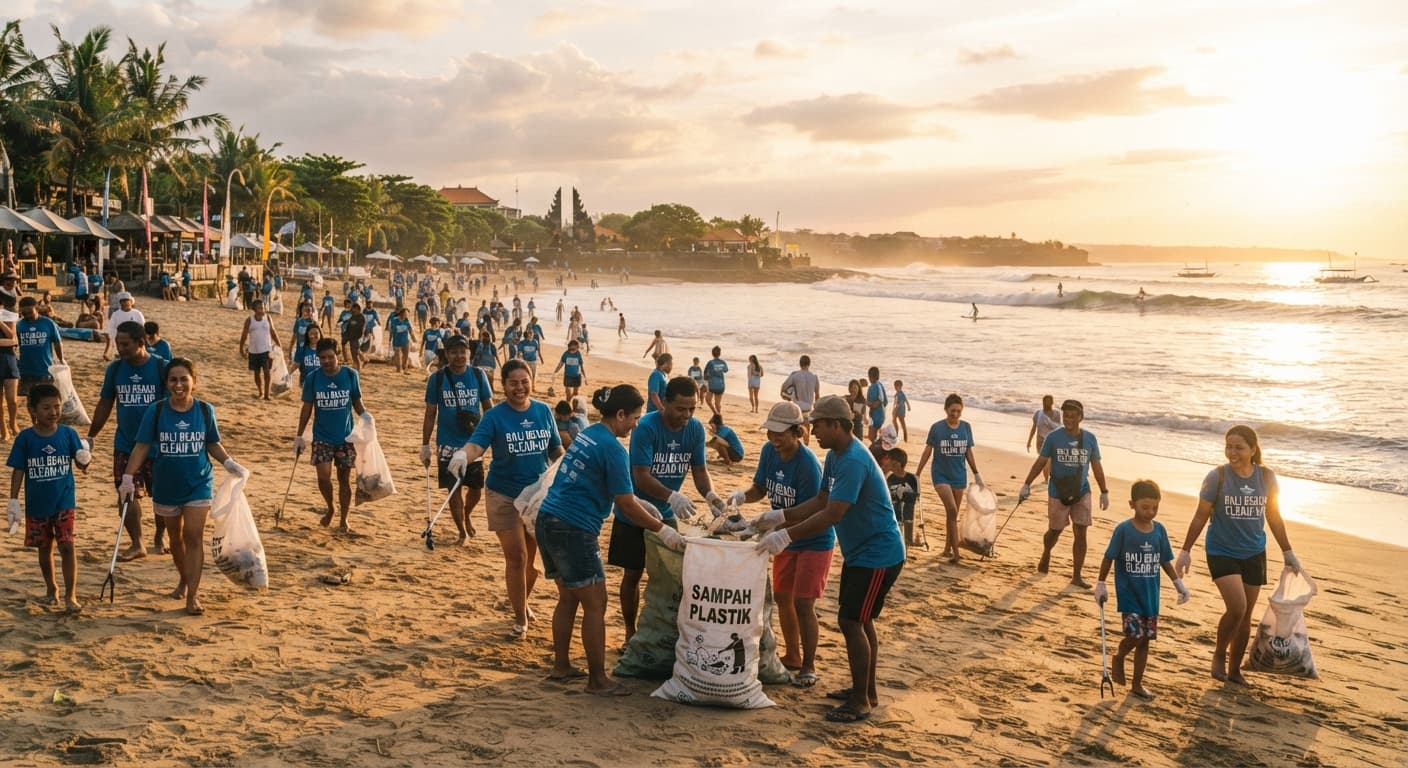
Bali is witnessing a surge in community-driven environmental initiatives that aim to tackle pollution and promote sustainability. Local residents, alongside government support, are taking significant steps to address pressing ecological challenges that threaten the island's natural beauty and biodiversity.
One of the most notable movements is the "Bali Clean Up" initiative, which has gained traction over the past year. This grassroots effort involves volunteers from various communities gathering regularly to clean up beaches, rivers, and public spaces. In the past month alone, over 500 volunteers participated in a massive clean-up event at Seminyak Beach, collecting more than 1,200 kilograms of plastic waste. The initiative not only helps to remove litter but also raises awareness about the dangers of plastic pollution.
The Bali Provincial Government has recognized the importance of these community efforts and is actively collaborating with local groups. Recently, the government announced a new program aimed at enhancing waste management systems across the island. This program, which is set to launch next quarter, will provide funding for community-led projects that focus on recycling, composting, and reducing plastic use. Governor Wayan Koster emphasized the need for a collective approach, stating that “Bali’s environmental health depends on the commitment of every individual and community.”
In addition to clean-up initiatives, local communities are also exploring innovative solutions to reduce their environmental impact. In Ubud, a community garden project has been established, encouraging residents to grow their own organic produce. This initiative not only promotes sustainable agriculture but also fosters a sense of community and self-sufficiency. The garden has become a hub for educational workshops, teaching participants about organic farming techniques and the benefits of sustainable food practices.
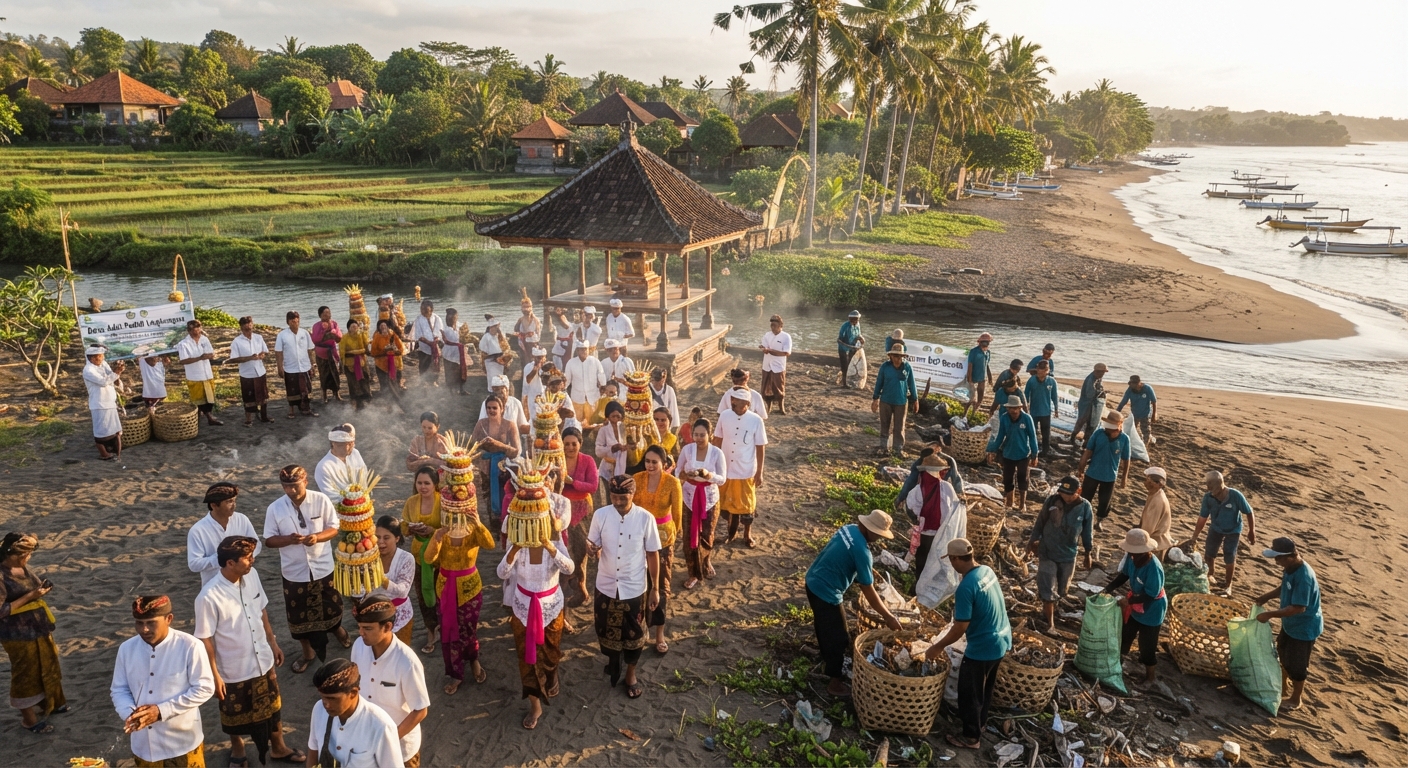
Moreover, Bali's youth are increasingly involved in these environmental efforts. Schools across the island are integrating environmental education into their curricula, empowering students to take action. Programs like "Eco Warriors" enable students to engage in hands-on projects, such as planting trees and organizing awareness campaigns about climate change. The involvement of young people is crucial, as they will inherit the environmental challenges of today.
Local businesses are also stepping up to support these initiatives. Many cafes and restaurants are adopting eco-friendly practices, such as reducing single-use plastics and sourcing ingredients locally. In Canggu, a popular coastal village, several establishments have committed to a zero-waste policy, encouraging patrons to bring their own containers for takeout meals. This collective shift towards sustainability is not only beneficial for the environment but also attracts eco-conscious tourists, enhancing Bali's reputation as a green travel destination.
The significance of these community initiatives extends beyond immediate environmental benefits. They foster social cohesion and empower residents to take ownership of their surroundings. As communities work together to address environmental issues, they strengthen their bonds and cultivate a sense of pride in their local environment.

While challenges remain, including the need for comprehensive government support and public awareness, the momentum generated by these initiatives is promising. Stakeholders from various sectors—government, communities, and businesses—are beginning to recognize that a collaborative approach is essential for achieving long-term sustainability.
Looking ahead, continued investment in community-driven environmental programs is crucial. As Bali faces increasing pressures from tourism and development, these grassroots movements will play a pivotal role in safeguarding the island’s natural resources. The success of these initiatives could serve as a model for other regions grappling with similar environmental challenges, showcasing the power of community action in creating meaningful change.



Read Also from Other Categories

Unveiling Bali's Art Scene: A New Chapter in Cultural Tourism
Bali's art scene is experiencing a transformative revival, attracting tourists and art enthusiasts alike. This cultural renaissance is reshaping visitor experiences and bolstering the local economy through innovative art initiatives and exhibitions.

Local Farmers Rally for Support Amid Bali's Agricultural Policy Shift
As Bali's provincial government implements new agricultural policies, local farmers express concerns over their livelihoods. The shift aims to modernize practices but raises questions about sustainability and community impact.

Investors Shift Focus to Bali's Innovative Aquaculture Ventures in 2023
Bali's aquaculture sector has seen a remarkable 35% increase in investment this year, attracting both local and international funding. The surge is driven by a growing demand for sustainable seafood and innovative farming techniques.

Canggu Residents Alarmed by Rising Incidents of Coastal Erosion
As Canggu's picturesque coastline faces increasing erosion, local residents and businesses express urgent concerns. The ongoing erosion threatens homes, livelihoods, and the area's renowned tourism appeal.
Bali's New Career Hub: Empowering Local Job Seekers with Innovative Training
Bali's job seekers are gaining new opportunities through a strategic partnership between local businesses and vocational training centers. This initiative aims to equip the workforce with essential skills to meet the demands of a rapidly changing job market.

Cafes and Culture: The Role of Community Spaces in Bali's Recovery
As Bali emerges from the pandemic, community cafes are becoming vital hubs for cultural exchange and economic revitalization. These spaces are not only serving coffee but also fostering a sense of belonging and collaboration among locals and visitors alike.
Comments (0)
No comments yet. Be the first!