Community-Driven Initiatives Foster Cultural Preservation in Bali
Bali's local communities are spearheading initiatives to preserve their cultural heritage amidst rapid modernization. From traditional ceremonies to educational programs, these efforts aim to engage younger generations and sustain the island's rich traditions.
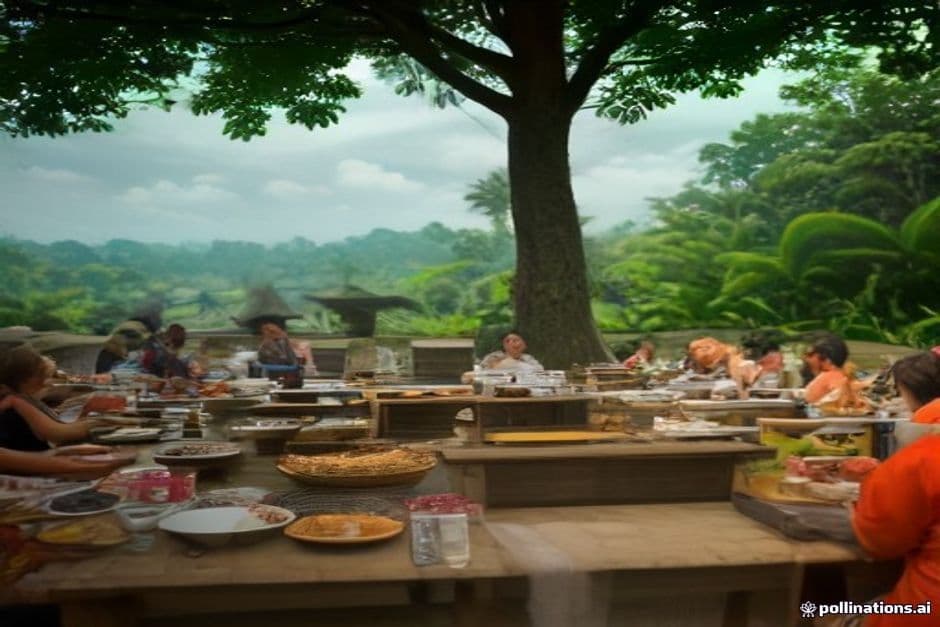
In Bali, a growing movement among local communities is taking shape, focusing on the preservation of cultural heritage as the island faces the pressures of modernization and tourism. Initiatives led by local residents are not only aimed at safeguarding traditional practices but also at ensuring that younger generations remain connected to their roots.
One of the most notable efforts is the revival of traditional ceremonies, particularly in regions like Ubud and Gianyar, where local leaders are encouraging participation from youth. Community members have organized workshops to teach younger Balinese about rituals, dances, and crafts that are integral to their identity. "These traditions are what make us who we are," says Nyoman Putra, a community leader in Ubud. "We need to pass them on to the next generation, or they will be lost forever."
In addition to ceremonial practices, educational programs are being implemented in local schools. The Bali Cultural Foundation, a non-profit organization, has partnered with several schools to integrate traditional arts and crafts into the curriculum. These programs include lessons on Balinese painting, music, and dance, allowing students to gain hands-on experience with their cultural heritage. The foundation's director, Ketut Suda, emphasizes the importance of these educational initiatives: "We are not just preserving culture; we are also instilling pride in our students. They need to understand where they come from to appreciate their future."
The local government has also recognized the significance of these initiatives and is working alongside community leaders to provide resources and support. Recent grants have been allocated to support cultural events and workshops aimed at engaging both locals and tourists. This collaboration aims to foster a deeper understanding of Balinese culture among visitors while ensuring that community efforts are sustainable.
Moreover, the rise of social media has played a crucial role in promoting these initiatives. Many local artisans and cultural practitioners are utilizing platforms like Instagram and TikTok to share their craft with a global audience. This not only helps to raise awareness about Balinese culture but also provides a source of income for local artists. Nyoman Wira, a traditional dancer, shares her experiences: "I started posting videos of my performances online, and now I receive invitations to perform at events both locally and internationally. It’s a wonderful way to connect with people and share our culture."
Despite these positive developments, challenges remain. The increasing influx of tourists and the development of infrastructure for tourism can sometimes overshadow these cultural preservation efforts. As hotels and commercial establishments continue to rise, some locals fear that their cultural spaces are at risk. The Balinese Cultural Council has been vocal about the need for balance between tourism growth and cultural conservation. They advocate for policies that protect significant cultural sites and promote sustainable tourism practices that benefit local communities.
In response to these challenges, community discussions have become more frequent, with local leaders and residents meeting to strategize on how to maintain their cultural identity. These gatherings not only serve as a platform for dialogue but also reinforce community bonds, which are essential for effective action. "We are all in this together," says Nyoman Putra. "Our culture is our strength, and we must work collectively to preserve it."
Looking ahead, the future of Bali's cultural heritage relies heavily on the commitment of its communities. The combination of grassroots initiatives and support from local government presents a promising path toward sustaining the island’s rich traditions. As these efforts continue to grow, they serve as a reminder that cultural preservation is not just about safeguarding the past; it is about nurturing a vibrant future for the generations to come.



Read Also from Other Categories
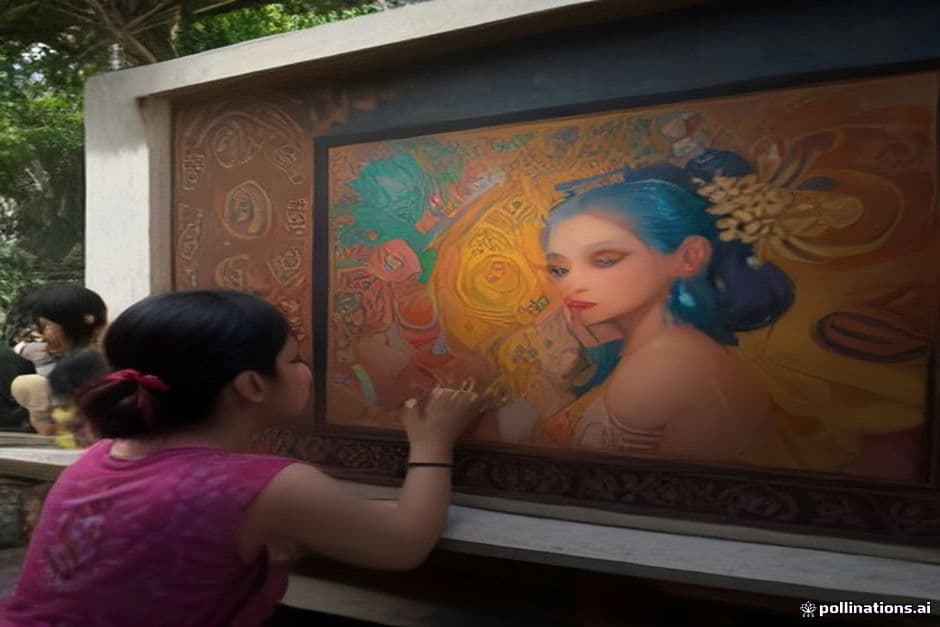
Unveiling Bali's Art Scene: A New Chapter in Cultural Tourism
Bali's art scene is experiencing a transformative revival, attracting tourists and art enthusiasts alike. This cultural renaissance is reshaping visitor experiences and bolstering the local economy through innovative art initiatives and exhibitions.
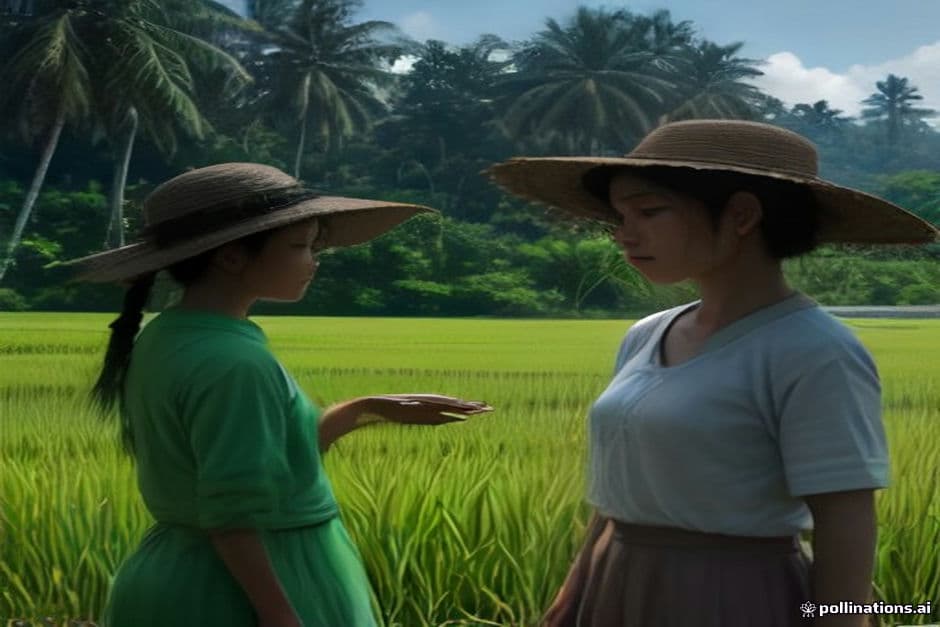
Local Farmers Rally for Support Amid Bali's Agricultural Policy Shift
As Bali's provincial government implements new agricultural policies, local farmers express concerns over their livelihoods. The shift aims to modernize practices but raises questions about sustainability and community impact.

Investors Shift Focus to Bali's Innovative Aquaculture Ventures in 2023
Bali's aquaculture sector has seen a remarkable 35% increase in investment this year, attracting both local and international funding. The surge is driven by a growing demand for sustainable seafood and innovative farming techniques.

Canggu Residents Alarmed by Rising Incidents of Coastal Erosion
As Canggu's picturesque coastline faces increasing erosion, local residents and businesses express urgent concerns. The ongoing erosion threatens homes, livelihoods, and the area's renowned tourism appeal.
Bali's New Career Hub: Empowering Local Job Seekers with Innovative Training
Bali's job seekers are gaining new opportunities through a strategic partnership between local businesses and vocational training centers. This initiative aims to equip the workforce with essential skills to meet the demands of a rapidly changing job market.
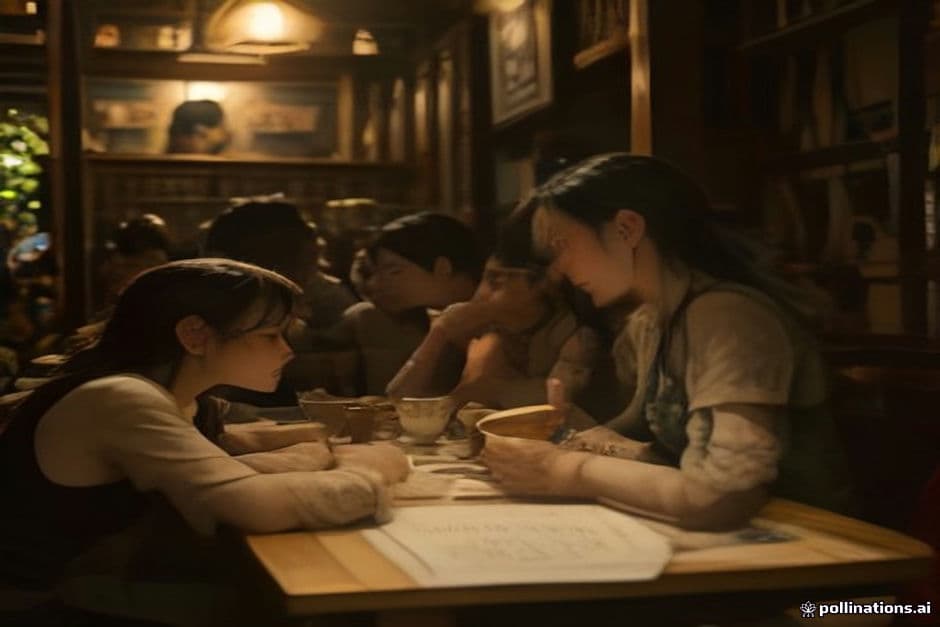
Cafes and Culture: The Role of Community Spaces in Bali's Recovery
As Bali emerges from the pandemic, community cafes are becoming vital hubs for cultural exchange and economic revitalization. These spaces are not only serving coffee but also fostering a sense of belonging and collaboration among locals and visitors alike.
Comments (0)
No comments yet. Be the first!