Community-Driven Infrastructure Projects Transform Rural Bali
Grassroots initiatives are reshaping Bali's rural landscapes, focusing on sustainable infrastructure and cultural preservation. Local governments and communities unite to enhance living conditions while honoring traditional Balinese values.
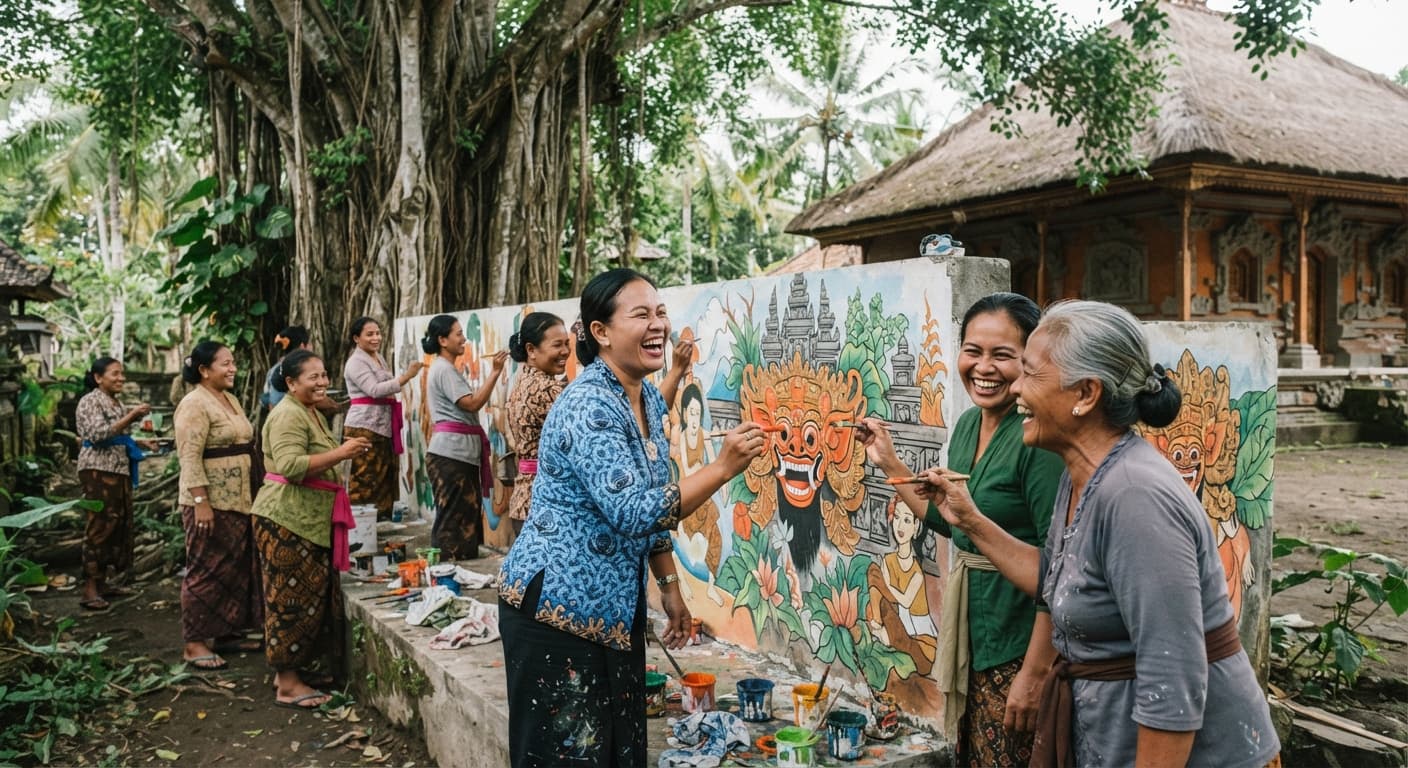
In the heart of Tabanan, a group of women gather under the shade of a sprawling banyan tree, their laughter mingling with the sounds of rustling leaves and chirping birds. Armed with paintbrushes and vibrant colors, they transform a once-dilapidated community center into a vivid mural celebrating Balinese culture. This scene encapsulates the spirit of a growing trend across Bali, where community-driven initiatives are breathing new life into rural landscapes while addressing critical infrastructure needs.
Across the island, local governments and residents are partnering to develop sustainable infrastructure projects that not only improve living conditions but also preserve the rich cultural heritage of Bali. From road repairs to the construction of eco-friendly community centers, these initiatives are designed to foster a sense of ownership and pride among locals, ultimately leading to a stronger, more resilient community.
In Tabanan, the local government has launched a program aimed at building more accessible roads in rural areas. “We want to ensure that our villages are connected, allowing easier access to markets and services,” explains I Made Sudarma, the Head of Tabanan’s Public Works Department. “By improving our infrastructure, we empower our communities to thrive.”
This focus on connectivity is vital, as many rural areas in Bali have long been underserved. Poor road conditions can hinder economic opportunities and access to essential services, such as healthcare and education. With the support of local governments, villagers are taking matters into their own hands, organizing clean-up drives to clear roads and planting trees along the routes to enhance the environment.
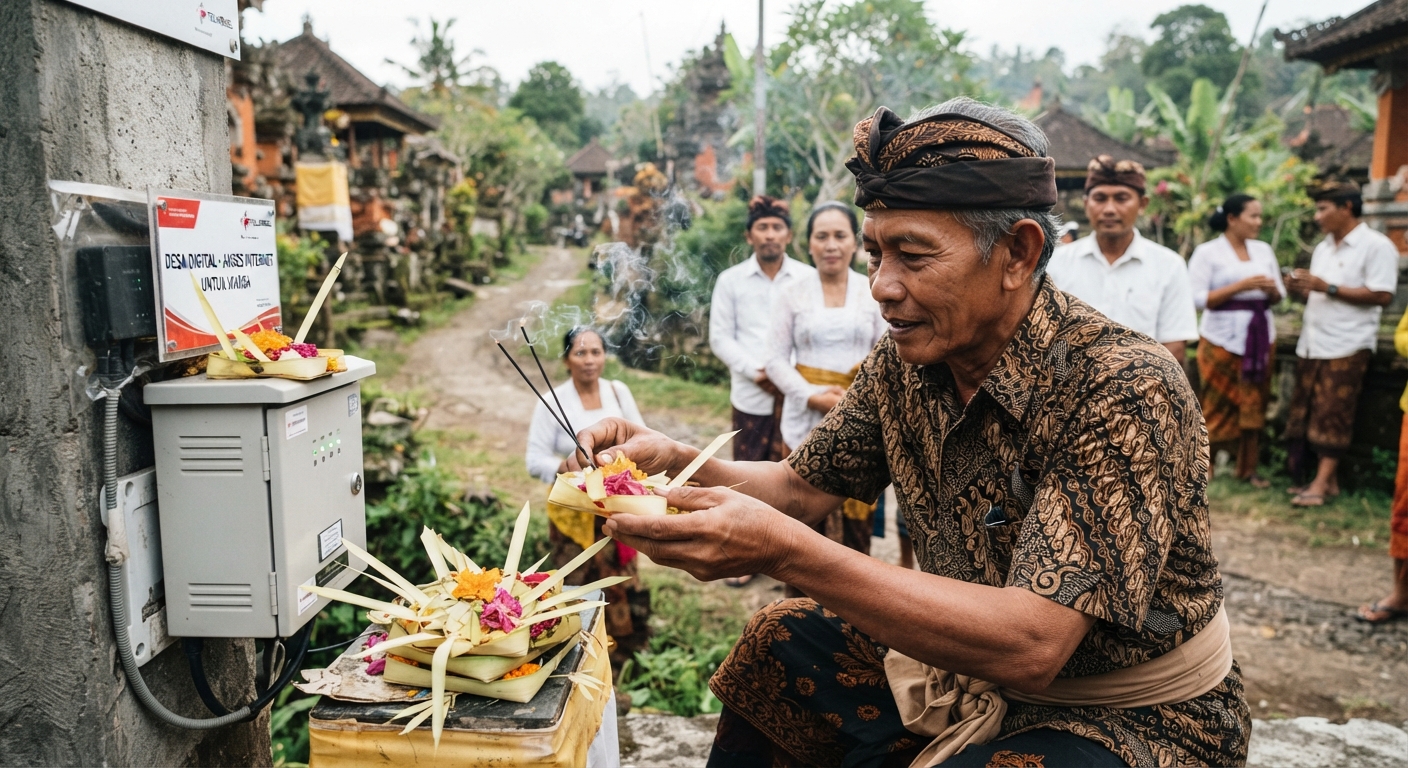
In Ubud, a different kind of initiative is taking shape. Here, the local government has collaborated with artists and cultural leaders to restore and preserve traditional Balinese architecture. The project not only revitalizes the aesthetic appeal of the area but also educates younger generations about their architectural heritage. “We want our children to understand the significance of our traditional designs,” says Nyoman Raka, a cultural preservationist. “This knowledge is essential for maintaining our identity.”
As part of the restoration efforts, workshops are held to teach traditional crafts, such as wood carving and stone masonry, encouraging locals to engage with their culture while also developing new skills. These workshops have become popular, attracting participants of all ages eager to learn and preserve their heritage.
Moreover, environmental sustainability is at the forefront of these community-driven projects. In Gianyar, residents have initiated a campaign to create green spaces by planting native trees and establishing community gardens. “This initiative not only beautifies our village but also helps combat climate change,” explains Ketut Adi, a local environmentalist. “We’re focusing on creating a sustainable future for our children.”
The positive impact of these initiatives is evident. Local economies are beginning to flourish as improved infrastructure allows for better access to markets. More visitors are drawn to these rural areas, eager to experience authentic Balinese culture that is being preserved and celebrated. The intersecting of tourism and cultural preservation is creating a unique dynamic that benefits both residents and visitors alike.
However, challenges remain. Some rural areas still struggle with funding and resources to implement comprehensive infrastructure improvements. Local governments are often stretched thin, relying heavily on community involvement to drive initiatives forward. In response, collaborations with non-governmental organizations (NGOs) and international aid are becoming increasingly important.
Looking ahead, the momentum generated by these grassroots movements suggests a promising future for Bali’s rural communities. As more residents become involved and take pride in their environment, the hope is that these initiatives will inspire a broader movement throughout the island. “Our strength lies in our unity,” says I Gusti Agung, a community leader in Tabanan. “Together, we can create change that honors our past while building a better future.”
As Bali continues to navigate the complexities of modernization and tourism, the commitment to community-driven infrastructure projects serves as a reminder of the importance of cultural preservation and sustainable development. The vibrant murals painted by the women in Tabanan are not just art; they are symbols of resilience, hope, and a collective vision for a brighter, more sustainable future.

Read Also from Other Categories

Emerging Trends in Bali's Adventure Tourism: Thrilling New Experiences Await
Bali's adventure tourism sector is rapidly evolving, offering visitors thrilling experiences that go beyond traditional attractions. From canyoning in Ubud to zip-lining in Gianyar, the island is becoming a hub for adrenaline seekers and nature enthusiasts alike.

Local Farmers Rally for Support Amid Bali's Agricultural Policy Shift
As Bali's provincial government implements new agricultural policies, local farmers express concerns over their livelihoods. The shift aims to modernize practices but raises questions about sustainability and community impact.

Investors Shift Focus to Bali's Innovative Aquaculture Ventures in 2023
Bali's aquaculture sector has seen a remarkable 35% increase in investment this year, attracting both local and international funding. The surge is driven by a growing demand for sustainable seafood and innovative farming techniques.

Canggu Residents Alarmed by Rising Incidents of Coastal Erosion
As Canggu's picturesque coastline faces increasing erosion, local residents and businesses express urgent concerns. The ongoing erosion threatens homes, livelihoods, and the area's renowned tourism appeal.
Bali's New Career Hub: Empowering Local Job Seekers with Innovative Training
Bali's job seekers are gaining new opportunities through a strategic partnership between local businesses and vocational training centers. This initiative aims to equip the workforce with essential skills to meet the demands of a rapidly changing job market.
Navigating Bali's Evolving Social Landscape: Challenges and Opportunities
As Bali grapples with increasing social disparities, experts urge a reevaluation of community policies. Understanding these shifts is crucial for fostering a more equitable future for all residents.
Comments (0)
No comments yet. Be the first!