Community Cohesion: Bali's Local Leaders Unite for Infrastructure Revitalization
Bali's local communities are coming together to enhance urban infrastructure in a bid to improve living conditions. From road repairs to better drainage systems, residents and officials are collaborating to create a more sustainable future.
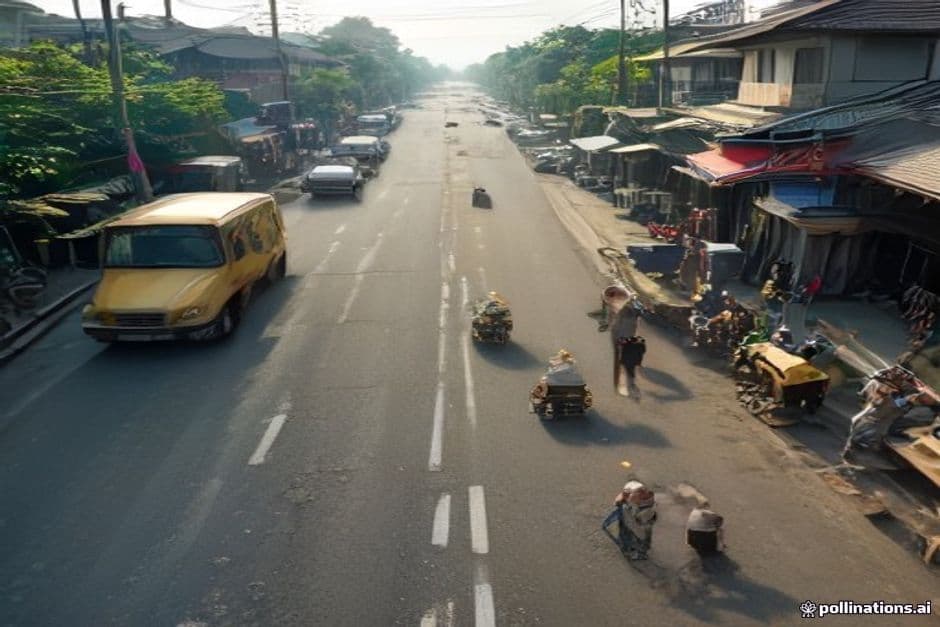
On a bustling Tuesday morning in Denpasar, the sound of hammers and trucks fills the air as local leaders and community members gather at the intersection of Jl. Gajah Mada and Jl. Diponegoro. This site, once riddled with potholes and inadequate drainage, is now the focal point of a community-driven initiative aimed at revitalizing critical urban infrastructure. The project, spearheaded by the city's Department of Public Works, aims to address the pressing needs of residents while fostering a spirit of collaboration among diverse stakeholders.
As the sun rises higher, illuminating the efforts underway, the Head of the Public Works Department, I Made Suardika, speaks passionately about the importance of community engagement. "We are not just building roads; we are building relationships and trust within our neighborhoods," he says, emphasizing the role of local voices in shaping the projects. This initiative is not merely a response to infrastructural decay but rather a proactive approach to urban planning that prioritizes the input of those most affected.
Residents, like 45-year-old Nyoman Wati, have taken notice. "For years, we have struggled with flooding during the rainy season, and this year, we decided to come together to demand change," she explains as she helps clear debris from the roadside. Nyoman leads a group of volunteers from her neighborhood, actively participating in the discussions with government officials to ensure their needs are met in the planning stages of the project.
One of the most significant aspects of this initiative is its focus on sustainable practices. The community has adopted eco-friendly materials and methods, such as permeable pavement and rain gardens, which not only address drainage issues but also encourage local biodiversity. The coordination with environmental specialists ensures that the community’s efforts align with broader ecological goals.

At the heart of this revitalization project is the collaboration between local government and residents, a model that officials hope to replicate across Bali. In recent months, similar initiatives have sprung up in areas like Ubud, where the focus has been on enhancing walking paths and public spaces, making them more accessible for both residents and tourists.
As the project continues, local businesses are also reaping the benefits. Cafés and shops along Jl. Gajah Mada, which had seen a decline in foot traffic due to poor infrastructure, are reporting an uptick in customers. I Nyoman Sari, owner of a popular coffee shop, notes, "Since the construction started, more people are stopping in. It feels like the community is alive again!"
The initiative is not without its challenges. Some residents express concerns about the potential for disruption during construction and the need for ongoing maintenance once the projects are completed. However, leaders like I Made Suardika are committed to transparency and regular communication, ensuring that community members are informed every step of the way.

Looking ahead, this movement represents a significant shift in how urban development is approached in Bali. By prioritizing community involvement and sustainable practices, local leaders are not only addressing immediate infrastructure needs but also setting a precedent for future projects. The hope is that this model will empower other communities across the island to take charge of their own development, creating a more resilient and cohesive Bali.
As the sun sets over Denpasar, casting a warm glow on the construction site, it becomes clear that the spirit of collaboration is not just a temporary trend. It is a foundational shift towards a future where local voices are heard, and community-driven initiatives pave the way for sustainable urban living.



Read Also from Other Categories

Unveiling Bali's Art Scene: A New Chapter in Cultural Tourism
Bali's art scene is experiencing a transformative revival, attracting tourists and art enthusiasts alike. This cultural renaissance is reshaping visitor experiences and bolstering the local economy through innovative art initiatives and exhibitions.

Local Farmers Rally for Support Amid Bali's Agricultural Policy Shift
As Bali's provincial government implements new agricultural policies, local farmers express concerns over their livelihoods. The shift aims to modernize practices but raises questions about sustainability and community impact.

Investors Shift Focus to Bali's Innovative Aquaculture Ventures in 2023
Bali's aquaculture sector has seen a remarkable 35% increase in investment this year, attracting both local and international funding. The surge is driven by a growing demand for sustainable seafood and innovative farming techniques.

Canggu Residents Alarmed by Rising Incidents of Coastal Erosion
As Canggu's picturesque coastline faces increasing erosion, local residents and businesses express urgent concerns. The ongoing erosion threatens homes, livelihoods, and the area's renowned tourism appeal.
Bali's New Career Hub: Empowering Local Job Seekers with Innovative Training
Bali's job seekers are gaining new opportunities through a strategic partnership between local businesses and vocational training centers. This initiative aims to equip the workforce with essential skills to meet the demands of a rapidly changing job market.

Cafes and Culture: The Role of Community Spaces in Bali's Recovery
As Bali emerges from the pandemic, community cafes are becoming vital hubs for cultural exchange and economic revitalization. These spaces are not only serving coffee but also fostering a sense of belonging and collaboration among locals and visitors alike.
Comments (0)
No comments yet. Be the first!