Canggu's Rising Struggles: Local Residents Confront Gentrification
As upscale developments surge in Canggu, local residents voice concerns over gentrification and loss of community identity. This complex issue highlights the clash between economic growth and cultural preservation in Bali's most vibrant neighborhoods.
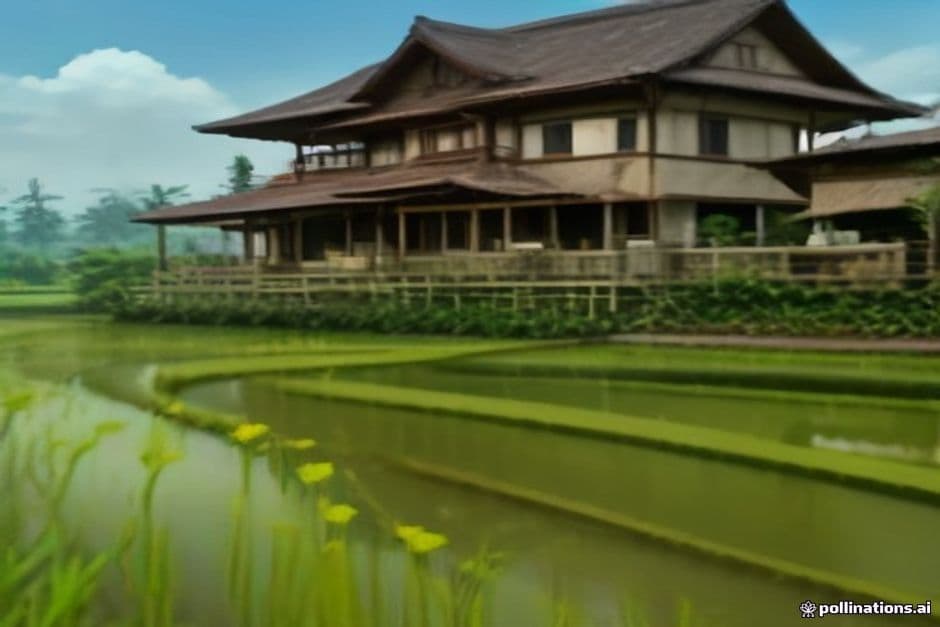
In Canggu, a once quiet fishing village known for its surf breaks and rice paddies, the rapid influx of luxury developments is sparking significant debate among locals. Residents are increasingly voicing concerns that the wave of gentrification threatens not only their homes but also the very essence of the community they cherish.
The area, which has transformed into a hotspot for expatriates and tourists, is now dotted with high-end villas, cafes, and boutiques, catering largely to a wealthy clientele. According to the Bali Statistics Agency, the population of Canggu has surged by over 30 percent in the past five years, driven by both foreign investments and the appeal of its laid-back lifestyle.
While economic growth in the region brings job opportunities and increased revenue, many long-time residents feel marginalized. "We are watching our neighborhoods change overnight," said Nyoman, a local shop owner who has lived in Canggu for decades. "The culture that once bound our community is fading away as new businesses cater to tourists and expats, often ignoring the needs of local Balinese."
In response to the changing landscape, grassroots movements are emerging. Local organizations are advocating for responsible development that respects the cultural heritage of Bali. They are calling for policies that prioritize affordable housing and support for traditional businesses. Furthermore, community activists are urging the government to impose stricter regulations on new developments, ensuring that they align with the cultural and environmental standards of the island.
As these discussions continue, the local government is also stepping in. The Bali Provincial Government has proposed a new zoning regulation aimed at controlling the types of developments allowed in Canggu. This initiative seeks to balance economic growth with the preservation of local culture and heritage. However, the effectiveness of these regulations remains to be seen, as developers often find ways to circumvent such restrictions.
Moreover, the impact of such gentrification extends beyond just housing and local businesses. It affects the social fabric of the community, as traditional practices and communal gatherings are increasingly overshadowed by commercial interests. For instance, the annual temple festival, which used to be a central event for locals, now sees dwindling participation as more residents feel disconnected from their roots.
While Canggu continues to attract attention from investors and tourists alike, the challenge remains: how to foster economic growth without sacrificing the unique cultural identity that has made the area a beloved destination. The voices of the local population are crucial in this ongoing dialogue, as they navigate the complexities of modernity and tradition.

Experts suggest that sustainable tourism practices could provide a pathway forward. Initiatives that promote local artisans, traditional crafts, and cultural experiences can help bridge the gap between economic development and cultural preservation. By involving locals in the tourism narrative, Canggu could redefine its identity in a way that honors both its past and its future.
As Canggu stands at a crossroads, the decisions made today will shape the community for generations to come. It is imperative that all stakeholders, from government officials to local residents, engage in constructive dialogue to ensure that Canggu's vibrant spirit is preserved amid the tides of change.



Read Also from Other Categories

Unveiling Bali's Art Scene: A New Chapter in Cultural Tourism
Bali's art scene is experiencing a transformative revival, attracting tourists and art enthusiasts alike. This cultural renaissance is reshaping visitor experiences and bolstering the local economy through innovative art initiatives and exhibitions.

Local Farmers Rally for Support Amid Bali's Agricultural Policy Shift
As Bali's provincial government implements new agricultural policies, local farmers express concerns over their livelihoods. The shift aims to modernize practices but raises questions about sustainability and community impact.

Investors Shift Focus to Bali's Innovative Aquaculture Ventures in 2023
Bali's aquaculture sector has seen a remarkable 35% increase in investment this year, attracting both local and international funding. The surge is driven by a growing demand for sustainable seafood and innovative farming techniques.

Canggu Residents Alarmed by Rising Incidents of Coastal Erosion
As Canggu's picturesque coastline faces increasing erosion, local residents and businesses express urgent concerns. The ongoing erosion threatens homes, livelihoods, and the area's renowned tourism appeal.
Community-Led Initiatives Foster Urban Infrastructure Growth in Denpasar
Residents of Denpasar are taking the lead in improving urban infrastructure through collaborative projects. Local government support amplifies these initiatives, aiming to enhance the city's livability amidst rapid urbanization.
Bali's New Career Hub: Empowering Local Job Seekers with Innovative Training
Bali's job seekers are gaining new opportunities through a strategic partnership between local businesses and vocational training centers. This initiative aims to equip the workforce with essential skills to meet the demands of a rapidly changing job market.
Comments (0)
No comments yet. Be the first!