Canggu's New Green Regulation Aims to Balance Development and Sustainability
In Canggu, a new government regulation seeks to address the rapid urbanization while preserving the environment. Local residents are hopeful that these measures will lead to a sustainable future for their community.
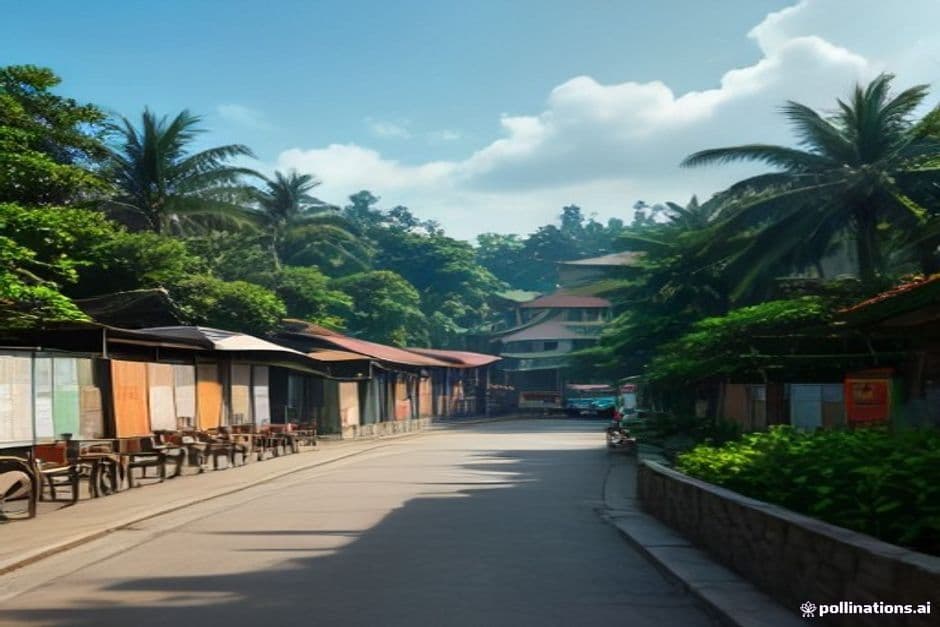
Canggu, a once-quiet fishing village turned vibrant tourist hotspot, now buzzes with the sounds of construction and commerce. Amid the rapid urbanization, local residents and officials grapple with the pressing need for sustainable development. Recently, the Bali provincial government unveiled a new regulation aimed at balancing development with environmental preservation, a move welcomed by many but viewed with skepticism by others.
The regulation, which was announced by Governor Wayan Koster during a public meeting at the Canggu Community Center, emphasizes the importance of green spaces and sustainable architecture in the ongoing development of the area. "We must protect our environment while also accommodating growth, and this regulation is a step in that direction," Koster stated, as he outlined the key points of the new policy.
As one walks down the bustling streets of Canggu, the contrast between traditional Balinese charm and modern development is palpable. Cafes and boutiques line the roads, while construction sites signal ongoing projects. Local resident Nyoman, who runs a small warung (local eatery) near Echo Beach, expressed hope for the new regulations. "I want to see Canggu grow, but not at the expense of our environment. The beaches and rice fields are what make this place special," she said, her voice echoing the sentiments of many in the community.
The new regulations include specific guidelines for building practices, such as requiring developers to allocate a portion of their projects to green spaces and mandating the use of sustainable materials. Additionally, there are incentives for developers who adhere to eco-friendly practices, aiming to steer investment towards projects that benefit both the economy and the environment.

However, not everyone is convinced. Some property developers argue that such regulations may stifle growth and diminish investment appeal. Dewa, a developer who has several ongoing projects in Canggu, voiced concerns about the potential complexities of compliance. "While we understand the importance of sustainability, these regulations could make it harder to keep projects profitable," he noted, highlighting a tension between economic interests and environmental responsibilities.
As the government rolls out these new policies, the local community is watching closely. Many hope that these measures will prevent the overdevelopment that has plagued other parts of Bali, leading to environmental degradation and loss of local culture. The rice paddies that once dominated the landscape are dwindling, replaced by villas and resorts. The new regulations aim to mitigate this trend, but it remains to be seen how effectively they will be enforced.
The provincial government has also announced plans for community engagement, encouraging local voices to contribute to future developments. Workshops and forums will be held in various neighborhoods to gather input and discuss the impacts of upcoming projects. This initiative aims to empower residents, ensuring their concerns are addressed in the ongoing development process.

In the coming months, Canggu will serve as a testing ground for this new regulatory framework. Observers are eager to see whether the government can strike a balance between growth and sustainability. As Canggu's popularity continues to rise, the stakes are high for both the environment and the local community.
Ultimately, the success of this initiative will depend on collaboration between the government, developers, and residents. As Bali faces increasing pressures from tourism and urbanization, Canggu's regulation could serve as a model for other areas grappling with similar challenges.



Read Also from Other Categories

Unveiling Bali's Art Scene: A New Chapter in Cultural Tourism
Bali's art scene is experiencing a transformative revival, attracting tourists and art enthusiasts alike. This cultural renaissance is reshaping visitor experiences and bolstering the local economy through innovative art initiatives and exhibitions.

Investors Shift Focus to Bali's Innovative Aquaculture Ventures in 2023
Bali's aquaculture sector has seen a remarkable 35% increase in investment this year, attracting both local and international funding. The surge is driven by a growing demand for sustainable seafood and innovative farming techniques.

Canggu Residents Alarmed by Rising Incidents of Coastal Erosion
As Canggu's picturesque coastline faces increasing erosion, local residents and businesses express urgent concerns. The ongoing erosion threatens homes, livelihoods, and the area's renowned tourism appeal.

Community-Led Initiatives Foster Urban Infrastructure Growth in Denpasar
Residents of Denpasar are taking the lead in improving urban infrastructure through collaborative projects. Local government support amplifies these initiatives, aiming to enhance the city's livability amidst rapid urbanization.
Bali's New Career Hub: Empowering Local Job Seekers with Innovative Training
Bali's job seekers are gaining new opportunities through a strategic partnership between local businesses and vocational training centers. This initiative aims to equip the workforce with essential skills to meet the demands of a rapidly changing job market.

Cafes and Culture: The Role of Community Spaces in Bali's Recovery
As Bali emerges from the pandemic, community cafes are becoming vital hubs for cultural exchange and economic revitalization. These spaces are not only serving coffee but also fostering a sense of belonging and collaboration among locals and visitors alike.
Comments (0)
No comments yet. Be the first!