Canggu’s Culinary Scene Blossoms Amid Rising Tourism Demand
Canggu is evolving into a culinary hotspot, attracting food enthusiasts from around the globe. With a blend of traditional Balinese flavors and international cuisines, restaurants are thriving and reshaping the local dining landscape.
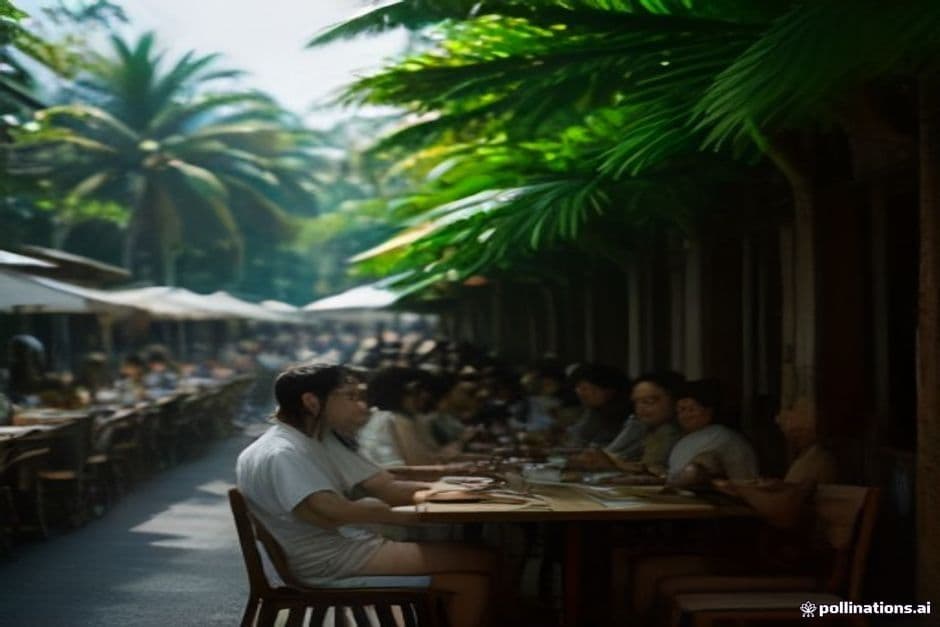
The sun casts a warm glow over the bustling streets of Canggu, where the aroma of grilled satay mingles with the scent of freshly baked croissants. As tourists flock to the area, local eateries are embracing a culinary renaissance that showcases both traditional Balinese flavors and modern gastronomic innovations. The vibrant dining scene is not just a feast for the taste buds but also a significant contributor to the local economy.
Restaurants such as Warung D'Sawah and La Brisa are reinventing the dining experience, drawing in both locals and visitors. Warung D'Sawah, with its idyllic rice paddy views, offers an authentic taste of Balinese cuisine, while La Brisa, located on the beachfront, serves up contemporary dishes inspired by the island’s rich culinary heritage. "We aim to provide a unique dining experience that reflects the beauty of Bali," says the owner of La Brisa, as guests lounge on bean bags, enjoying fresh seafood and cocktails crafted with local ingredients.
As the culinary landscape expands, the emphasis on sustainability is becoming increasingly important. Many restaurants are sourcing ingredients from local farmers, supporting the agricultural community while ensuring freshness and quality. The Canggu Farmers Market, held every Sunday, has become a popular spot for chefs and home cooks alike, showcasing organic produce and artisanal goods. This market not only fosters a sense of community but also promotes a farm-to-table philosophy that resonates with eco-conscious visitors.
In recent months, Canggu has also seen an influx of food festivals, such as the Canggu Culinary Festival, which celebrates local and international chefs. The festival features a range of activities, from cooking demonstrations to tastings, drawing food lovers from across the island. "Events like this put Canggu on the culinary map and attract visitors who are eager to explore our diverse food scene," explains one of the festival organizers.

The surge in culinary tourism is not just beneficial for restaurants; it also creates jobs and stimulates the local economy. According to recent data from the Bali Tourism Board, the number of food-related businesses in Canggu has increased by over 30% in the past year alone. This growth is reflected in the bustling atmosphere of the streets, where new cafes and eateries are popping up alongside established favorites.
However, the rapid growth of the food scene has not come without challenges. Local residents express concerns about the commercialization of their neighborhood and the impact on traditional Balinese culture. "While it’s great to see Canggu thriving, I hope we can maintain our cultural identity amid this change," said a long-time resident, watching as tourists flock to trendy cafes that once were local hangouts.
Despite these concerns, many believe that the blend of traditional and modern cuisine can coexist harmoniously. Chefs are increasingly experimenting with traditional Balinese recipes, infusing them with global flavors to create unique dishes that tell a story. For instance, the fusion of Balinese spices with Italian pasta or French pastries has led to innovative culinary creations that highlight the island's cultural richness.

The local government is also getting involved, promoting Canggu as a culinary destination in marketing campaigns aimed at attracting more visitors. By showcasing the area’s diverse food offerings, officials hope to bolster tourism while ensuring that local businesses thrive. "We want to promote Canggu not just as a surf haven but also as a culinary hub," stated a representative from the local tourism office.
As Canggu continues to evolve, the culinary scene serves as a microcosm of the broader changes happening across Bali. The fusion of traditional and modern influences reflects the island's dynamic nature and its ability to adapt to the demands of a global audience. With each plate served, Canggu is carving out its place in the world of gastronomy, inviting travelers to savor the flavors of Bali.
In conclusion, as Canggu’s culinary scene flourishes, it offers a glimpse into the future of Bali’s tourism landscape. The blend of tradition and innovation not only delights visitors but also reinforces the importance of local culture and sustainability in a rapidly changing world. As the sun sets over the rice paddies, the vibrant lights of Canggu’s restaurants flicker to life, beckoning food lovers to explore the culinary treasures that await.



Read Also from Other Categories

Local Farmers Rally for Support Amid Bali's Agricultural Policy Shift
As Bali's provincial government implements new agricultural policies, local farmers express concerns over their livelihoods. The shift aims to modernize practices but raises questions about sustainability and community impact.

Investors Shift Focus to Bali's Innovative Aquaculture Ventures in 2023
Bali's aquaculture sector has seen a remarkable 35% increase in investment this year, attracting both local and international funding. The surge is driven by a growing demand for sustainable seafood and innovative farming techniques.

Canggu Residents Alarmed by Rising Incidents of Coastal Erosion
As Canggu's picturesque coastline faces increasing erosion, local residents and businesses express urgent concerns. The ongoing erosion threatens homes, livelihoods, and the area's renowned tourism appeal.

Community-Led Initiatives Foster Urban Infrastructure Growth in Denpasar
Residents of Denpasar are taking the lead in improving urban infrastructure through collaborative projects. Local government support amplifies these initiatives, aiming to enhance the city's livability amidst rapid urbanization.
Bali's New Career Hub: Empowering Local Job Seekers with Innovative Training
Bali's job seekers are gaining new opportunities through a strategic partnership between local businesses and vocational training centers. This initiative aims to equip the workforce with essential skills to meet the demands of a rapidly changing job market.

Cafes and Culture: The Role of Community Spaces in Bali's Recovery
As Bali emerges from the pandemic, community cafes are becoming vital hubs for cultural exchange and economic revitalization. These spaces are not only serving coffee but also fostering a sense of belonging and collaboration among locals and visitors alike.
Comments (0)
No comments yet. Be the first!