Balinese Communities Innovate with Digital Tools for Cultural Preservation
Local communities across Bali are embracing digital solutions to safeguard their cultural heritage. This initiative aims to engage younger generations while preserving traditional practices for future prosperity.
In a remarkable initiative, various communities throughout Bali are leveraging digital tools to preserve their rich cultural heritage. This effort not only aims to engage younger generations but also ensures that traditional practices are safeguarded for future prosperity.
From Ubud to Gianyar, local artisans and cultural leaders are adopting digital platforms to showcase their crafts and stories. The rise of social media and e-commerce has enabled them to reach a broader audience, attracting both local and international interest. As a result, many traditional crafts, once at risk of fading into obscurity, are experiencing a renaissance.
A significant player in this movement is the Bali Cultural Heritage Foundation, which has partnered with local artisans to create an online marketplace. This platform allows artisans to sell their handmade products directly to consumers, bypassing traditional retail barriers. According to the foundation's spokesperson, “We believe that by bringing these crafts online, we not only open up new markets for our artisans but also help preserve their stories and skills.”
In addition to e-commerce, digital storytelling has become a critical component of this cultural preservation effort. Community workshops are being held to teach local storytellers how to use digital media to share their narratives. These workshops focus on various formats, including video, podcasts, and blogs. This approach not only enhances the visibility of their culture but also encourages younger members of the community to participate actively.
The use of augmented reality (AR) is also gaining traction in Bali. Some cultural sites are experimenting with AR apps that provide visitors with immersive experiences related to local history and traditions. For instance, the Tirta Empul Temple has implemented an AR feature that allows visitors to learn about its historical significance through their smartphones. This innovative approach is expected to attract more tourists eager to engage with Bali's cultural heritage in a modern context.
Moreover, local governments are recognizing the importance of these initiatives. The Gianyar Regency has allocated funds to support digital literacy programs aimed at equipping residents with the necessary skills to utilize technology for cultural preservation. The regent of Gianyar stated, “Investing in digital literacy is investing in our cultural future. We must equip our people with tools to protect their heritage.”
However, challenges remain. Many artisans lack access to reliable internet and digital devices, hindering their ability to participate fully in this digital shift. To address this, community organizations are advocating for better infrastructure and support from the government. Initiatives are underway to provide low-cost internet solutions and digital training for those who are less tech-savvy.
The impact of these digital initiatives is already being felt. A recent survey indicated that local artisans reported a 30% increase in sales since adopting online platforms. This surge not only benefits individual artisans but also contributes to the local economy, as many of these crafts are deeply embedded in the cultural fabric of Bali.
As this movement continues to grow, it serves as a reminder of the importance of adapting traditional practices to the modern world. By embracing technology, Balinese communities are not only preserving their heritage but also ensuring that it thrives in a rapidly changing environment.
The future of Bali’s cultural landscape is promising, with a blend of tradition and innovation paving the way for a more sustainable and inclusive approach to cultural preservation. The ongoing commitment from local communities, supported by technology, is a testament to their resilience and dedication to ensuring that their rich heritage remains vibrant for generations to come.



Read Also from Other Categories
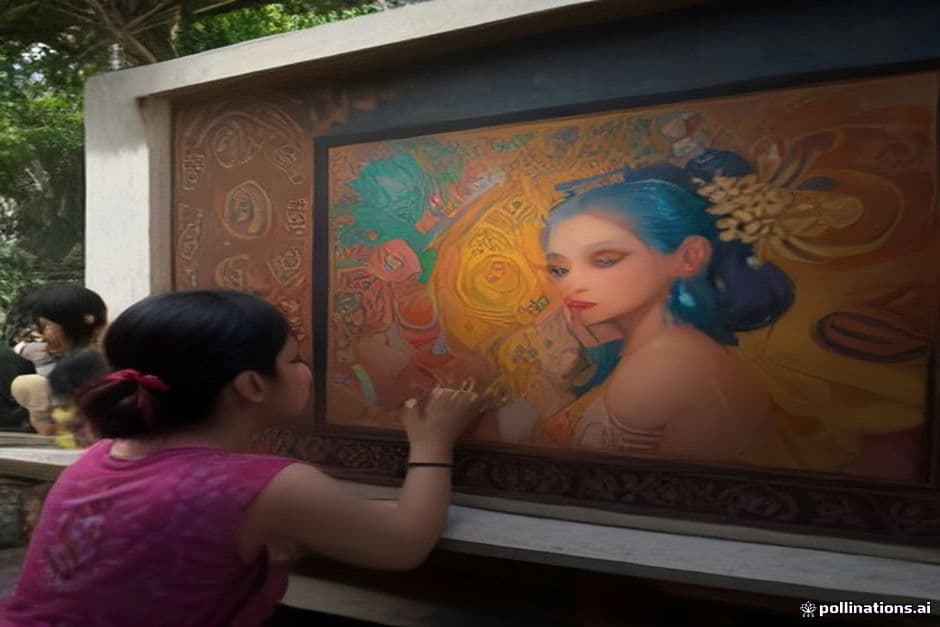
Unveiling Bali's Art Scene: A New Chapter in Cultural Tourism
Bali's art scene is experiencing a transformative revival, attracting tourists and art enthusiasts alike. This cultural renaissance is reshaping visitor experiences and bolstering the local economy through innovative art initiatives and exhibitions.

Local Farmers Rally for Support Amid Bali's Agricultural Policy Shift
As Bali's provincial government implements new agricultural policies, local farmers express concerns over their livelihoods. The shift aims to modernize practices but raises questions about sustainability and community impact.

Investors Shift Focus to Bali's Innovative Aquaculture Ventures in 2023
Bali's aquaculture sector has seen a remarkable 35% increase in investment this year, attracting both local and international funding. The surge is driven by a growing demand for sustainable seafood and innovative farming techniques.

Canggu Residents Alarmed by Rising Incidents of Coastal Erosion
As Canggu's picturesque coastline faces increasing erosion, local residents and businesses express urgent concerns. The ongoing erosion threatens homes, livelihoods, and the area's renowned tourism appeal.
Bali's New Career Hub: Empowering Local Job Seekers with Innovative Training
Bali's job seekers are gaining new opportunities through a strategic partnership between local businesses and vocational training centers. This initiative aims to equip the workforce with essential skills to meet the demands of a rapidly changing job market.

Cafes and Culture: The Role of Community Spaces in Bali's Recovery
As Bali emerges from the pandemic, community cafes are becoming vital hubs for cultural exchange and economic revitalization. These spaces are not only serving coffee but also fostering a sense of belonging and collaboration among locals and visitors alike.
Comments (0)
No comments yet. Be the first!