Bali's Unseen Workforce: Opportunities in the Green Economy
As Bali pivots towards sustainability, new job opportunities are emerging in the green economy. Training programs and eco-initiatives are shaping a workforce ready to meet the island's environmental challenges.
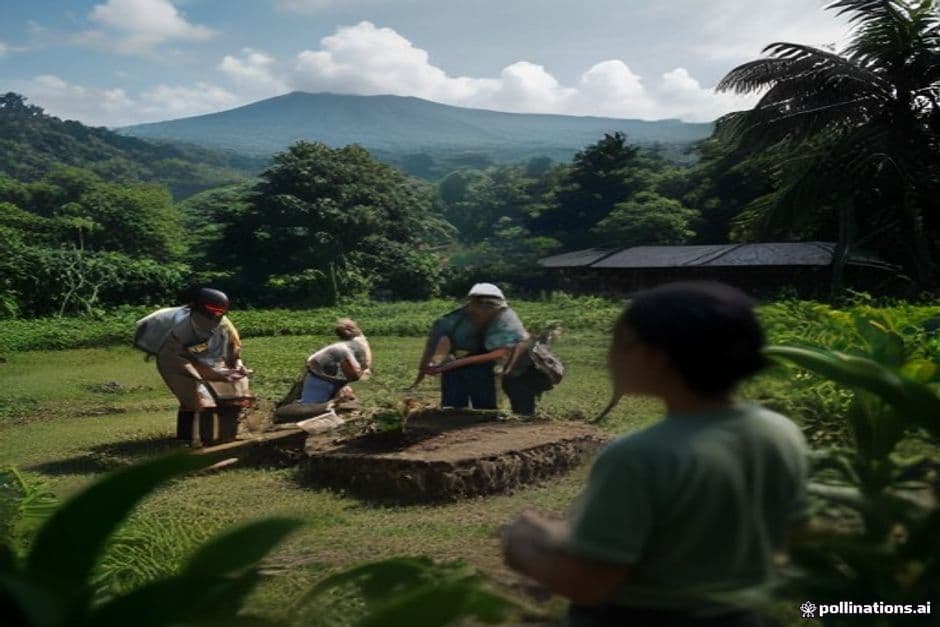
In a response to increasing global focus on sustainability, Bali is witnessing a significant rise in employment opportunities within the green economy. Local authorities and organizations are implementing training programs aimed at equipping residents with the skills needed for this evolving sector, paving the way for a more sustainable future.
The Bali Environmental Agency recently reported that job openings related to renewable energy, waste management, and sustainable agriculture are on the rise. In 2023 alone, there has been a reported increase of over 30% in job vacancies within these sectors compared to 2022. This trend reflects a growing recognition of the importance of environmental sustainability in the island's economic development and job creation strategies.
To facilitate this transition, various training programs have been launched across the island. Notably, the Bali Green Training Initiative, launched in early 2023, focuses on providing hands-on training in eco-friendly practices. This initiative collaborates with local universities and environmental organizations to educate participants on sustainable practices in agriculture, tourism, and waste management.
One participant, a recent graduate from Udayana University, shared her experience: "The training opened my eyes to the possibilities within the green economy. I learned practical skills that I can apply immediately, and I feel empowered to contribute to Bali's environmental goals." This sentiment is echoed by many who have enrolled in similar programs, highlighting a shift in local attitudes toward sustainability and employment.

The rise in green jobs is not only beneficial for the environment; it also aligns with Bali's long-term economic strategies. The Bali Governor's office has emphasized that investing in the green economy is essential for future-proofing the local workforce. The governor stated, "By prioritizing sustainability, we are not only creating jobs but also ensuring the longevity of our natural resources, which are vital for tourism and local communities."
Moreover, private sector involvement is crucial in this transformation. Companies such as Bali Eco Stay and Green School Bali are leading the charge by integrating sustainability into their business models and creating job opportunities that reflect these values. Their commitment has inspired other businesses in the region to follow suit, creating a ripple effect of eco-conscious employment.
In addition to traditional jobs, the rise of eco-tourism in Bali is contributing to employment growth. As tourists increasingly seek environmentally friendly experiences, businesses that prioritize sustainability are thriving. Local guides, eco-friendly accommodation providers, and sustainable food services are all expanding, creating diverse job opportunities for residents.
However, challenges remain. The transition to a green economy requires not only training but also a shift in mindset among employers and employees alike. Many local businesses are still adapting to the new demands of sustainability, and there is a need for ongoing support and education to ensure that these changes are effectively implemented.

The Bali government is taking steps to address these challenges. Plans are underway to establish a Green Jobs Task Force aimed at facilitating collaboration between government agencies, educational institutions, and the private sector. This task force will focus on identifying skills gaps in the workforce and ensuring that training programs align with the needs of the green economy.
As Bali continues to navigate this critical transition, the commitment to sustainability is set to reshape the island's employment landscape. With increasing job opportunities in the green economy, residents are being encouraged to embrace this shift and participate in building a more sustainable future.
In conclusion, Bali's move towards a green economy presents a significant opportunity for job growth and environmental stewardship. As training programs and initiatives gain momentum, the island is poised to not only enhance its economic prospects but also lead the way in sustainable practices that can serve as a model for other regions.



Read Also from Other Categories

Unveiling Bali's Art Scene: A New Chapter in Cultural Tourism
Bali's art scene is experiencing a transformative revival, attracting tourists and art enthusiasts alike. This cultural renaissance is reshaping visitor experiences and bolstering the local economy through innovative art initiatives and exhibitions.

Local Farmers Rally for Support Amid Bali's Agricultural Policy Shift
As Bali's provincial government implements new agricultural policies, local farmers express concerns over their livelihoods. The shift aims to modernize practices but raises questions about sustainability and community impact.

Investors Shift Focus to Bali's Innovative Aquaculture Ventures in 2023
Bali's aquaculture sector has seen a remarkable 35% increase in investment this year, attracting both local and international funding. The surge is driven by a growing demand for sustainable seafood and innovative farming techniques.

Canggu Residents Alarmed by Rising Incidents of Coastal Erosion
As Canggu's picturesque coastline faces increasing erosion, local residents and businesses express urgent concerns. The ongoing erosion threatens homes, livelihoods, and the area's renowned tourism appeal.

Community-Led Initiatives Foster Urban Infrastructure Growth in Denpasar
Residents of Denpasar are taking the lead in improving urban infrastructure through collaborative projects. Local government support amplifies these initiatives, aiming to enhance the city's livability amidst rapid urbanization.

Cafes and Culture: The Role of Community Spaces in Bali's Recovery
As Bali emerges from the pandemic, community cafes are becoming vital hubs for cultural exchange and economic revitalization. These spaces are not only serving coffee but also fostering a sense of belonging and collaboration among locals and visitors alike.
Comments (0)
No comments yet. Be the first!