Bali's Traditional Arts Drive Tourism Growth Amid Global Changes
As Bali's tourism landscape evolves, local traditional arts are experiencing a revival, drawing visitors eager for authentic cultural experiences. This resurgence is not only bolstering the economy but also fostering a sense of community pride among artisans.
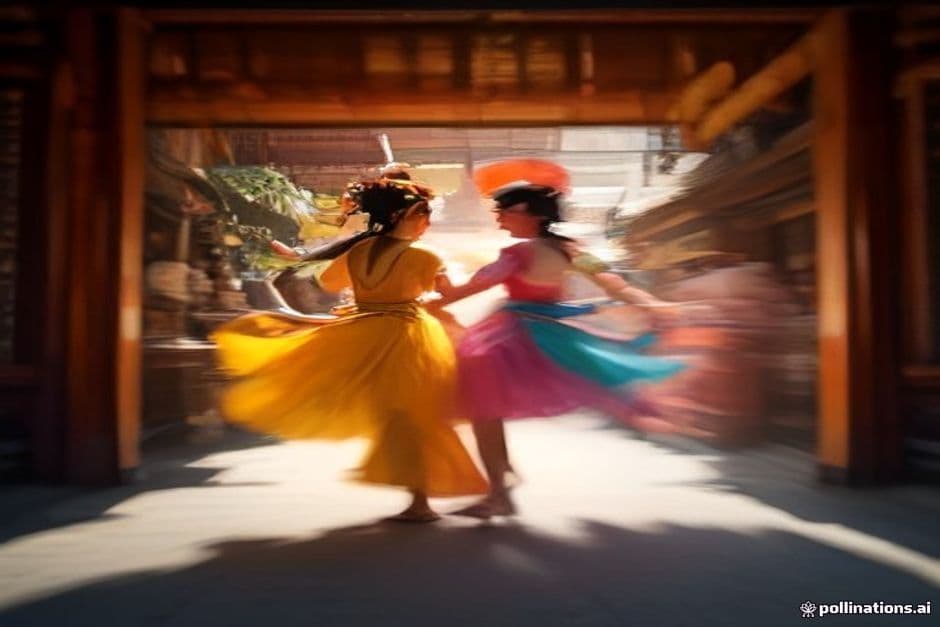
In 2026, Bali's traditional arts sector has seen a remarkable 25% increase in visitor engagement compared to 2025, as reported by the Bali Tourism Agency. This growth highlights a significant shift in tourist preferences towards authentic cultural experiences, marking a departure from the more commercialized attractions that have dominated the island's tourism scene in previous years.
The Bali Arts Festival, an annual event celebrating the rich cultural heritage of the island, attracted over 500,000 attendees in June 2026, a 15% rise from the previous year. This festival serves as a key platform for local artists and performers, showcasing traditional Balinese dance, music, and crafts, while also drawing in international tourists keen to immerse themselves in Balinese culture.
Local artisans are reaping the benefits of this cultural renaissance. Sales of handcrafted goods have increased by approximately 30% since 2025, as visitors seek unique, locally produced souvenirs rather than mass-produced items. Notably, the market at Ubud, known for its vibrant arts scene, reported a record high in sales during the festival season, further demonstrating the demand for authentic cultural products.
Additionally, workshops and experiences that allow tourists to engage directly with local craftspeople are gaining popularity. According to data from the Bali Crafts Association, participation in these workshops has doubled over the past year, indicating a strong desire among visitors to not only observe but also learn about traditional arts such as batik making, wood carving, and silver jewelry crafting.

The resurgence of traditional arts is also contributing to the local economy. The Bali Provincial Government has invested over IDR 10 billion (approximately USD 700,000) into supporting local artisans and promoting cultural education programs. This investment aims to enhance skill development and ensure the sustainability of traditional arts amidst the pressures of modernization and globalization.
Balinese culture, deeply rooted in spirituality and community, is increasingly recognized by tourists as a unique aspect of their travel experience. The Ministry of Tourism and Creative Economy reported that 60% of international visitors cited cultural immersion as a primary reason for their trip to Bali. This aligns with the broader global trend where travelers are more inclined to seek experiences that offer genuine connections with local communities.
As a result, Bali's tourism strategy is evolving to prioritize cultural tourism. The island is promoting its rich tapestry of traditions, including the ceremonial aspects of daily life, which offers tourists a glimpse into the spiritual and communal practices that define Balinese culture. This strategy not only attracts more visitors but also helps in preserving the local heritage.

However, this shift towards cultural tourism is not without challenges. The influx of visitors seeking authentic experiences raises concerns about the potential commodification of culture. There is a delicate balance to maintain, ensuring that local traditions are celebrated and protected rather than altered solely for tourist consumption.
To address these challenges, local leaders and cultural organizations are collaborating to develop guidelines that promote respectful engagement with Balinese traditions. The Bali Cultural Council is leading initiatives to educate both tourists and business owners about the significance of cultural practices, emphasizing the importance of authenticity and sustainability in tourism.
In conclusion, Bali's traditional arts are not just a draw for tourists; they are integral to the island's identity and economic resilience. As the tourism landscape continues to evolve, the focus on cultural heritage and authentic experiences will likely play a pivotal role in shaping Bali's future as a premier travel destination.



Read Also from Other Categories
Local Farmers Rally for Support Amid Bali's Agricultural Policy Shift
As Bali's provincial government implements new agricultural policies, local farmers express concerns over their livelihoods. The shift aims to modernize practices but raises questions about sustainability and community impact.

Investors Shift Focus to Bali's Innovative Aquaculture Ventures in 2023
Bali's aquaculture sector has seen a remarkable 35% increase in investment this year, attracting both local and international funding. The surge is driven by a growing demand for sustainable seafood and innovative farming techniques.

Canggu Residents Alarmed by Rising Incidents of Coastal Erosion
As Canggu's picturesque coastline faces increasing erosion, local residents and businesses express urgent concerns. The ongoing erosion threatens homes, livelihoods, and the area's renowned tourism appeal.
Community-Led Initiatives Foster Urban Infrastructure Growth in Denpasar
Residents of Denpasar are taking the lead in improving urban infrastructure through collaborative projects. Local government support amplifies these initiatives, aiming to enhance the city's livability amidst rapid urbanization.
Bali's New Career Hub: Empowering Local Job Seekers with Innovative Training
Bali's job seekers are gaining new opportunities through a strategic partnership between local businesses and vocational training centers. This initiative aims to equip the workforce with essential skills to meet the demands of a rapidly changing job market.
Cafes and Culture: The Role of Community Spaces in Bali's Recovery
As Bali emerges from the pandemic, community cafes are becoming vital hubs for cultural exchange and economic revitalization. These spaces are not only serving coffee but also fostering a sense of belonging and collaboration among locals and visitors alike.
Comments (0)
No comments yet. Be the first!