Bali's Tourism Strategy for 2026: Emphasizing Quality and Sustainability
As Bali pivots towards a more sustainable tourism model, the focus shifts to enhancing quality, cultural value, and environmental preservation amidst challenges in the sector.
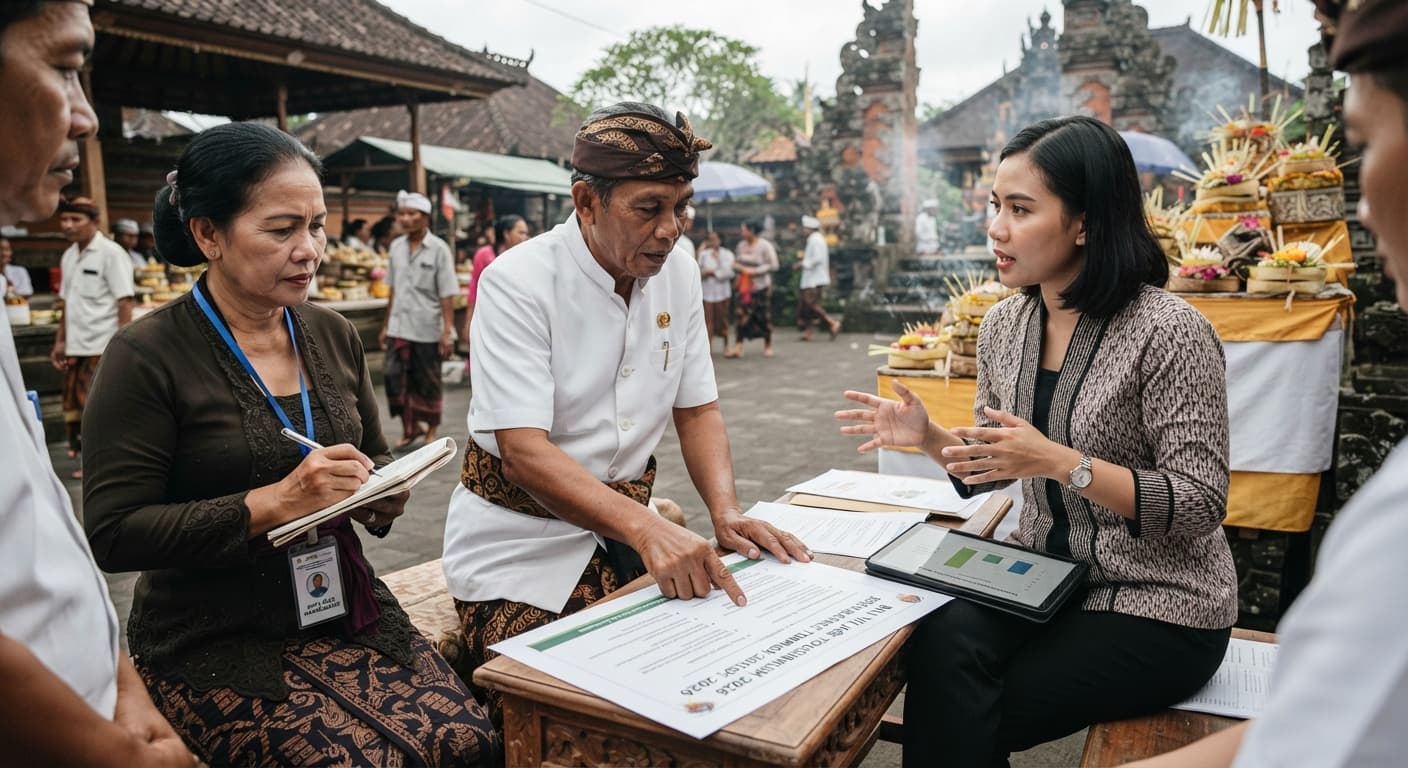
DENPASAR, Indonesia – Bali’s tourism sector is undergoing a significant transformation as it gears up for 2026, with a renewed emphasis on quality, sustainability, and cultural preservation. This strategic shift aims to move away from traditional mass tourism, which has often led to overcrowding and environmental degradation, towards a model that prioritizes authentic visitor experiences and long-term ecological balance.
Key stakeholders, including tourism observers and industry leaders, are advocating for comprehensive policies that focus on destination zoning, professional management, and sustainable investment. Trisno Nugroho, a prominent tourism observer, articulated the need for a more balanced tourist distribution, stating, “Bali must become more professional and transition from mass tourism to quality tourism by prioritizing comfort, sustainability, and authentic experiences. Most importantly, Bali must not lose its identity as a cultural tourism destination.”
The strategic direction for Bali’s tourism in 2026 is underscored by the need to improve quality rather than merely increasing the number of visitors. This approach is being implemented through innovative zoning arrangements and enhanced governance, which aim to ensure that the island remains competitive on a global scale while preserving its unique cultural heritage.
In a related development, Putu Gede Hendrawan, Chair of the Bali Villa Association (BVA), highlighted the challenges faced by the villa sector throughout 2025, particularly during the year-end holiday period. “In terms of occupancy, the period leading up to the 2025 year-end holidays was not as strong as in previous years. On average, there was a decline of around 20 percent compared to the previous year,” he noted. The downturn has been attributed to a myriad of factors, including national political dynamics, natural disasters affecting various regions in Indonesia, and adverse weather conditions during the rainy season, which have had direct implications on bookings and operational capacities.
The increased competition from neighboring regions, such as Thailand and Vietnam, further complicates the landscape, as these destinations have maintained stable social and political environments, thereby influencing traveler preferences. Despite the challenges, Hendrawan characterized 2025 as a normalization phase following the explosive growth of tourism in 2024, which was fueled by pent-up demand post-pandemic. “The spike in 2024 was very high due to the post-pandemic effect. The market is now adjusting. This is not a setback, but a process toward a healthier and more balanced tourism sector,” he stated.
Looking ahead, industry leaders are optimistic about the prospects for Bali’s tourism sector in 2026, bolstered by improved national conditions and a commitment to quality-based governance. Hendrawan expressed confidence that regulatory improvements, enhanced service quality, and adaptability to climate-related challenges would facilitate a robust recovery. “We are confident that Bali’s tourism sector, including villas, will recover and emerge stronger,” he added.
This focus on quality and sustainability is expected to yield tangible benefits for local communities, fostering a resilient and inclusive tourism environment. By prioritizing cultural value and environmental preservation, Bali aims to redefine its tourism identity, ensuring that it remains a premier destination while safeguarding its rich cultural heritage.
The provincial government’s initiatives reflect a broader understanding of the need to balance economic growth with environmental responsibility and cultural integrity. As Bali navigates this crucial juncture in its tourism narrative, the commitment to sustainable practices will be pivotal in shaping the island's future in the global tourism landscape.

Read Also from Other Categories

Emerging Trends in Bali's Adventure Tourism: Thrilling New Experiences Await
Bali's adventure tourism sector is rapidly evolving, offering visitors thrilling experiences that go beyond traditional attractions. From canyoning in Ubud to zip-lining in Gianyar, the island is becoming a hub for adrenaline seekers and nature enthusiasts alike.

Local Farmers Rally for Support Amid Bali's Agricultural Policy Shift
As Bali's provincial government implements new agricultural policies, local farmers express concerns over their livelihoods. The shift aims to modernize practices but raises questions about sustainability and community impact.

Investors Shift Focus to Bali's Innovative Aquaculture Ventures in 2023
Bali's aquaculture sector has seen a remarkable 35% increase in investment this year, attracting both local and international funding. The surge is driven by a growing demand for sustainable seafood and innovative farming techniques.

Canggu Residents Alarmed by Rising Incidents of Coastal Erosion
As Canggu's picturesque coastline faces increasing erosion, local residents and businesses express urgent concerns. The ongoing erosion threatens homes, livelihoods, and the area's renowned tourism appeal.
Bali's New Career Hub: Empowering Local Job Seekers with Innovative Training
Bali's job seekers are gaining new opportunities through a strategic partnership between local businesses and vocational training centers. This initiative aims to equip the workforce with essential skills to meet the demands of a rapidly changing job market.
Navigating Bali's Evolving Social Landscape: Challenges and Opportunities
As Bali grapples with increasing social disparities, experts urge a reevaluation of community policies. Understanding these shifts is crucial for fostering a more equitable future for all residents.
Comments (0)
No comments yet. Be the first!