Bali's Tourism Renaissance: Festivals and Hotels Drive Growth
Bali's tourism industry is rebounding strongly, fueled by new cultural festivals and luxury hotel openings in Ubud, Seminyak, and Nusa Dua. With government support and a focus on sustainability, the island aims to balance growth with environmental preservation.
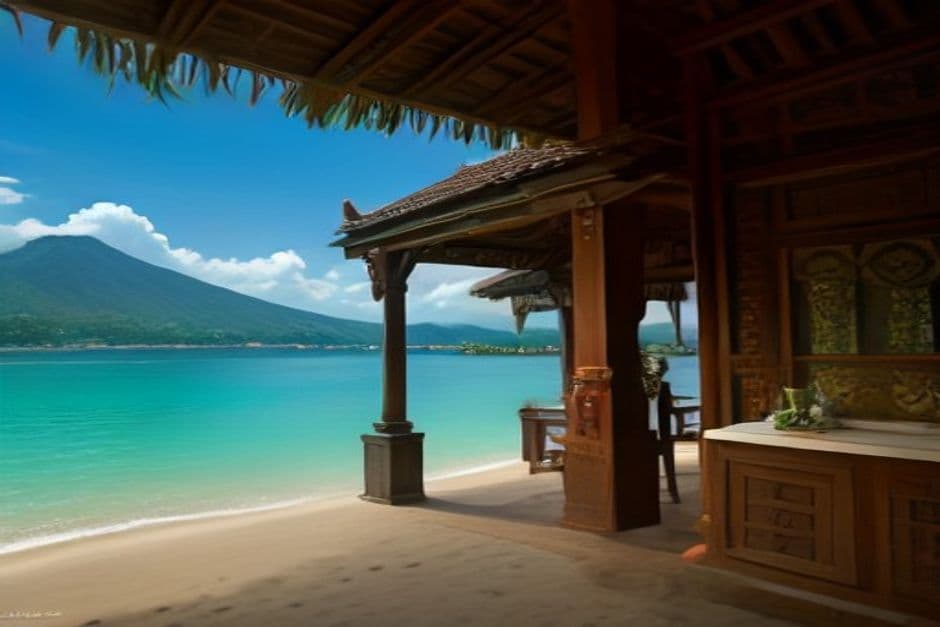
Bali's tourism industry is experiencing a robust resurgence, driven by a wave of new cultural festivals and the opening of luxury hotels that are drawing visitors from across the globe. The revival is most evident in popular areas such as Ubud, Seminyak, and Nusa Dua, where international travelers are flocking to experience the island's rich heritage alongside modern comforts. After years of pandemic-induced hardship, the turnaround is being fueled by a combination of local business resilience, government initiatives, and a renewed global appetite for travel.
The island has seen a series of high-profile events in recent months, including the Ubud Writers & Readers Festival and the Bali Spirit Festival, which together have attracted tens of thousands of attendees. These gatherings, which showcase Balinese culture, literature, and wellness, have become key draws for tourists seeking authentic experiences. Simultaneously, global hotel chains such as Marriott and Hilton have expanded their footprints in Bali, with new properties in Seminyak and Nusa Dua offering enhanced accommodation, dining, and spa facilities. The developments are part of a broader strategy by the Bali Tourism Board to diversify the island's appeal and promote sustainable travel.
Governor I Wayan Koster has emphasized the critical role of tourism in Bali's economy, stating, "Tourism is the backbone of our economy, and we are committed to ensuring it thrives sustainably." His administration has backed infrastructure upgrades and marketing campaigns aimed at attracting high-value travelers while preserving the island's cultural and natural assets. Local businesses are already feeling the positive impact. Wayan Sutrisna, who owns a restaurant in Ubud, said, "The influx of tourists has been a boon for my restaurant. We're seeing more diverse clientele than ever before, from families to digital nomads, and it's brought a new energy to the area."
Recovery After the Pandemic
Bali's tourism sector was among the hardest hit in Indonesia during the COVID-19 pandemic, with visitor numbers plummeting by over 80% in 2020 and many businesses forced to close. The island's reliance on international arrivals left it particularly vulnerable, and the road to recovery has been gradual. However, strategic investments in health protocols, digital marketing, and infrastructure have helped rebuild traveler confidence. The opening of new hotels and the revival of festivals are now accelerating the rebound, with arrivals in the first half of 2025 surpassing pre-pandemic levels in some months.
The economic implications are significant. Tourism accounts for roughly 60% of Bali's GDP, and the revival is creating jobs across hospitality, retail, and transportation. Small businesses, from warungs to surf shops, are reporting increased sales, and the demand for local products has surged. The growth is also fostering a more diverse tourism base, with visitors from Australia, China, Europe, and the United States contributing to a broader market.
Balancing Growth and Preservation
Despite the optimism, concerns about over-tourism are growing. Environmental advocates warn that rapid development could strain Bali's fragile ecosystems and cultural sites. Ketut Darmawan, a local environmentalist, cautioned, "We must balance economic growth with environmental preservation. Unchecked expansion could harm Bali's natural resources and cultural heritage, which are the very reasons tourists come here." These concerns echo past challenges, such as water shortages and traffic congestion, which have plagued the island during previous tourism booms.
In response, the Bali Tourism Board is doubling down on sustainability initiatives. Plans include promoting eco-friendly accommodations, supporting community-based tourism projects, and implementing stricter waste management measures. The board is also working with local villages to ensure that cultural traditions are protected and that tourism revenue benefits residents directly. These efforts aim to create a model of growth that is both inclusive and environmentally responsible.
Looking ahead, Bali is poised to maintain its status as a top global destination, but the path forward requires careful stewardship. The government has announced further investments in renewable energy and public transport to reduce the island's carbon footprint, while festival organizers are incorporating more local artisans and performers into their programs. As the island welcomes back tourists, the focus remains on ensuring that growth does not come at the expense of the very attributes that make Bali unique.
The next few years will be critical in determining whether Bali can sustain its renaissance. With continued collaboration between public and private sectors, and a commitment to sustainable practices, the island aims to thrive economically while safeguarding its cultural and natural treasures for generations to come.


Read Also from Other Categories

Local Farmers Rally for Support Amid Bali's Agricultural Policy Shift
As Bali's provincial government implements new agricultural policies, local farmers express concerns over their livelihoods. The shift aims to modernize practices but raises questions about sustainability and community impact.

Investors Shift Focus to Bali's Innovative Aquaculture Ventures in 2023
Bali's aquaculture sector has seen a remarkable 35% increase in investment this year, attracting both local and international funding. The surge is driven by a growing demand for sustainable seafood and innovative farming techniques.

Canggu Residents Alarmed by Rising Incidents of Coastal Erosion
As Canggu's picturesque coastline faces increasing erosion, local residents and businesses express urgent concerns. The ongoing erosion threatens homes, livelihoods, and the area's renowned tourism appeal.

Community-Led Initiatives Foster Urban Infrastructure Growth in Denpasar
Residents of Denpasar are taking the lead in improving urban infrastructure through collaborative projects. Local government support amplifies these initiatives, aiming to enhance the city's livability amidst rapid urbanization.
Bali's New Career Hub: Empowering Local Job Seekers with Innovative Training
Bali's job seekers are gaining new opportunities through a strategic partnership between local businesses and vocational training centers. This initiative aims to equip the workforce with essential skills to meet the demands of a rapidly changing job market.
Navigating Bali's Evolving Social Landscape: Challenges and Opportunities
As Bali grapples with increasing social disparities, experts urge a reevaluation of community policies. Understanding these shifts is crucial for fostering a more equitable future for all residents.
Comments (0)
No comments yet. Be the first!