Bali's Tourism Renaissance: Festivals and Attractions Fuel Growth
Bali's tourism industry is experiencing a vibrant resurgence, driven by new festivals and enhanced cultural attractions, as the island aims to surpass pre-pandemic visitor numbers. Governor I Wayan Koster emphasizes sustainable growth, balancing economic recovery with environmental preservation.
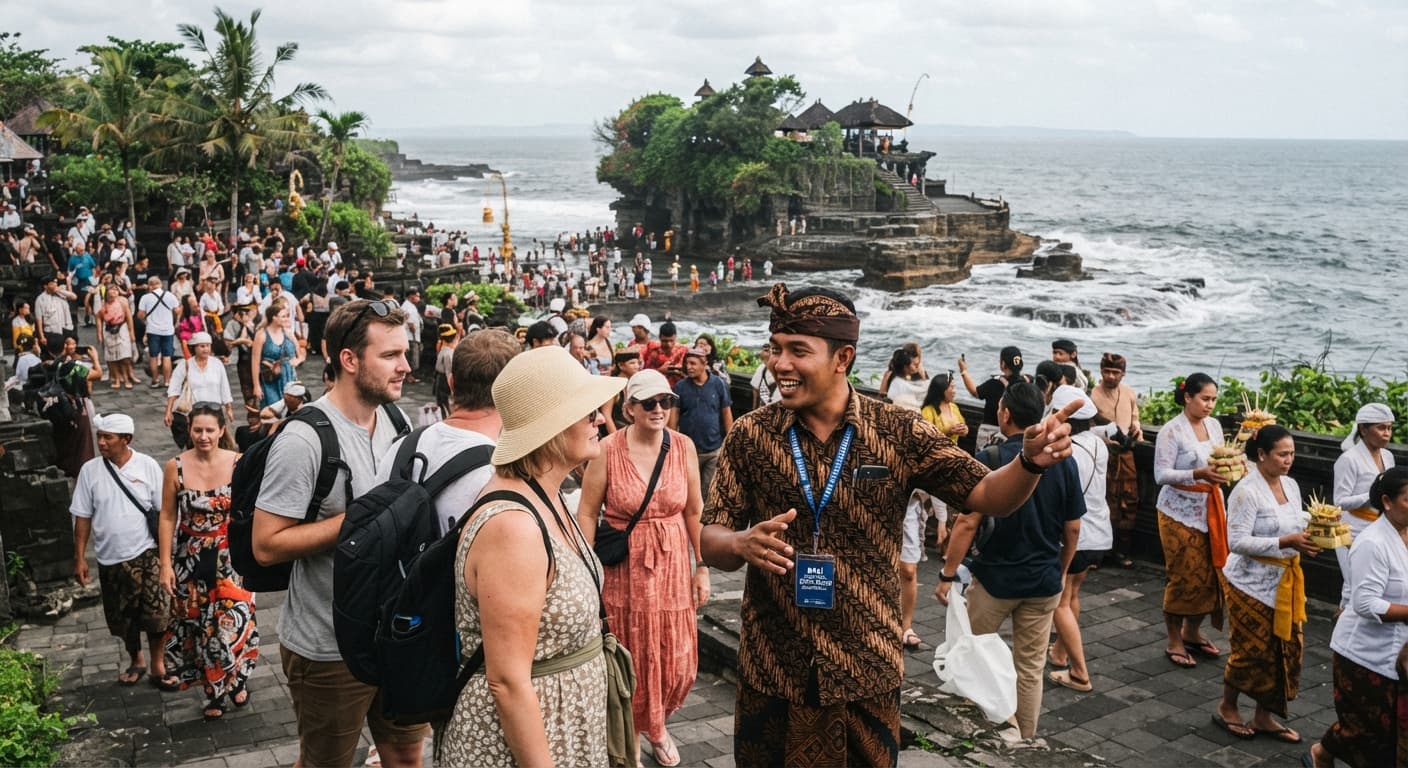
Bali's tourism industry is experiencing a vibrant resurgence, marked by a wave of new festivals and enhanced cultural attractions that are drawing travelers from across the globe. As travel restrictions ease and the island strives to reclaim its status as a premier destination, the influx of visitors is breathing new life into the local economy while raising important questions about sustainability.
Among the standout events fueling this revival are the Ubud Readers and Writers Festival and the Bali Spirit Festival, both of which have garnered international acclaim. These gatherings not only showcase Bali's rich literary and spiritual heritage but also create meaningful exchanges between visitors and locals. Additionally, the reopening of iconic landmarks such as Tanah Lot and Besakih Temple—now equipped with upgraded visitor facilities—has significantly boosted tourist numbers, offering pilgrims and sightseers alike a more comfortable and enriching experience.
The island's recovery is a welcome shift after the severe downturn caused by the COVID-19 pandemic, which saw international arrivals plummet to near zero in 2020. According to data from the Central Statistics Agency, Bali welcomed just over 1 million foreign tourists in 2022, a fraction of the 6.3 million recorded in 2019. The current momentum, however, suggests a strong rebound, with monthly arrivals steadily climbing throughout 2023 as direct flights from Australia, China, and Europe resume.
Governor I Wayan Koster has been vocal about the island's ambitions, stating: "Our goal is to not only restore but enhance the tourism experience by incorporating more cultural elements that reflect the true essence of Bali." His administration has rolled out a series of initiatives under the 'New Bali' campaign, which prioritizes quality over quantity, aiming to attract discerning travelers who respect local customs and contribute to the community.
Local entrepreneurs are already feeling the positive impact. Wayan Suardika, who runs a small batik workshop in Ubud, noted, "The increase in tourism has revitalized local businesses, offering us a chance to recover from the past few challenging years." His sentiment echoes across the island, where hotels, restaurants, and artisans are seeing renewed demand. The tourism sector, which accounts for over 60% of Bali's economy, is projected to grow by 8% this year, according to the Bali Tourism Board.
However, this resurgence is not without its challenges. Environmentalists are sounding alarms about the strain on Bali's fragile ecosystems, from water shortages to plastic pollution at popular beaches. Kadek Putra, a local environmental activist, warned, "We need to ensure that tourism growth does not come at the expense of our environment." He points to the overdevelopment in areas like Canggu and Uluwatu, where unchecked construction has led to traffic congestion and waste management issues.
In response, the provincial government has pledged to integrate sustainability into its tourism strategy. Plans include expanding marine protected areas, promoting eco-friendly transportation, and enforcing stricter waste reduction policies. Additionally, the Bali Tourism Board is collaborating with international organizations to certify 'green' hotels and tour operators, encouraging responsible practices among businesses.
Cultural preservation is equally a priority. The government is investing in the restoration of ancient temples and traditional villages, ensuring that tourism revenue supports the maintenance of Bali's intangible heritage, such as dance, music, and ritual ceremonies. New cultural events, like the Bali Arts Festival, are being expanded to offer visitors deeper insights into local traditions, rather than mere surface-level attractions.
Looking ahead, Bali's tourism renaissance appears poised to continue, but with a heightened awareness of the need for balance. The island's leaders are optimistic that a more thoughtful approach will yield long-term benefits. "We are not just chasing numbers," Governor Koster remarked in a recent press conference. "We are building a tourism model that respects our island, our people, and our culture."
As the world watches, Bali's journey will serve as a test case for sustainable tourism in the post-pandemic era. With its unique blend of natural beauty, spiritual depth, and resilient community, the island is determined to thrive without losing its soul.

Read Also from Other Categories

Local Farmers Rally for Support Amid Bali's Agricultural Policy Shift
As Bali's provincial government implements new agricultural policies, local farmers express concerns over their livelihoods. The shift aims to modernize practices but raises questions about sustainability and community impact.

Investors Shift Focus to Bali's Innovative Aquaculture Ventures in 2023
Bali's aquaculture sector has seen a remarkable 35% increase in investment this year, attracting both local and international funding. The surge is driven by a growing demand for sustainable seafood and innovative farming techniques.

Canggu Residents Alarmed by Rising Incidents of Coastal Erosion
As Canggu's picturesque coastline faces increasing erosion, local residents and businesses express urgent concerns. The ongoing erosion threatens homes, livelihoods, and the area's renowned tourism appeal.

Community-Led Initiatives Foster Urban Infrastructure Growth in Denpasar
Residents of Denpasar are taking the lead in improving urban infrastructure through collaborative projects. Local government support amplifies these initiatives, aiming to enhance the city's livability amidst rapid urbanization.
Bali's New Career Hub: Empowering Local Job Seekers with Innovative Training
Bali's job seekers are gaining new opportunities through a strategic partnership between local businesses and vocational training centers. This initiative aims to equip the workforce with essential skills to meet the demands of a rapidly changing job market.
Navigating Bali's Evolving Social Landscape: Challenges and Opportunities
As Bali grapples with increasing social disparities, experts urge a reevaluation of community policies. Understanding these shifts is crucial for fostering a more equitable future for all residents.
Comments (0)
No comments yet. Be the first!