Bali's Tourism Industry Thrives Amid New Cultural Initiatives
Bali's tourism industry is rebounding strongly as new cultural festivals and luxury hotel openings draw international visitors, with officials emphasizing cultural preservation and sustainable growth. Governor Wayan Koster highlights the island's commitment to blending heritage with modern hospitality, though environmentalists urge caution.

Bali's tourism industry is experiencing a robust resurgence as the island unveils a series of cultural festivals and welcomes a wave of investment in its hospitality sector, signaling a determined recovery from the pandemic's devastating impact. Government officials and local business leaders have joined forces to launch initiatives designed to lure travelers back by showcasing Bali's unique cultural heritage, from temple rituals to artisan crafts. The push comes as global travel rebounds, and Bali aims to reclaim its status as a premier destination in Southeast Asia.
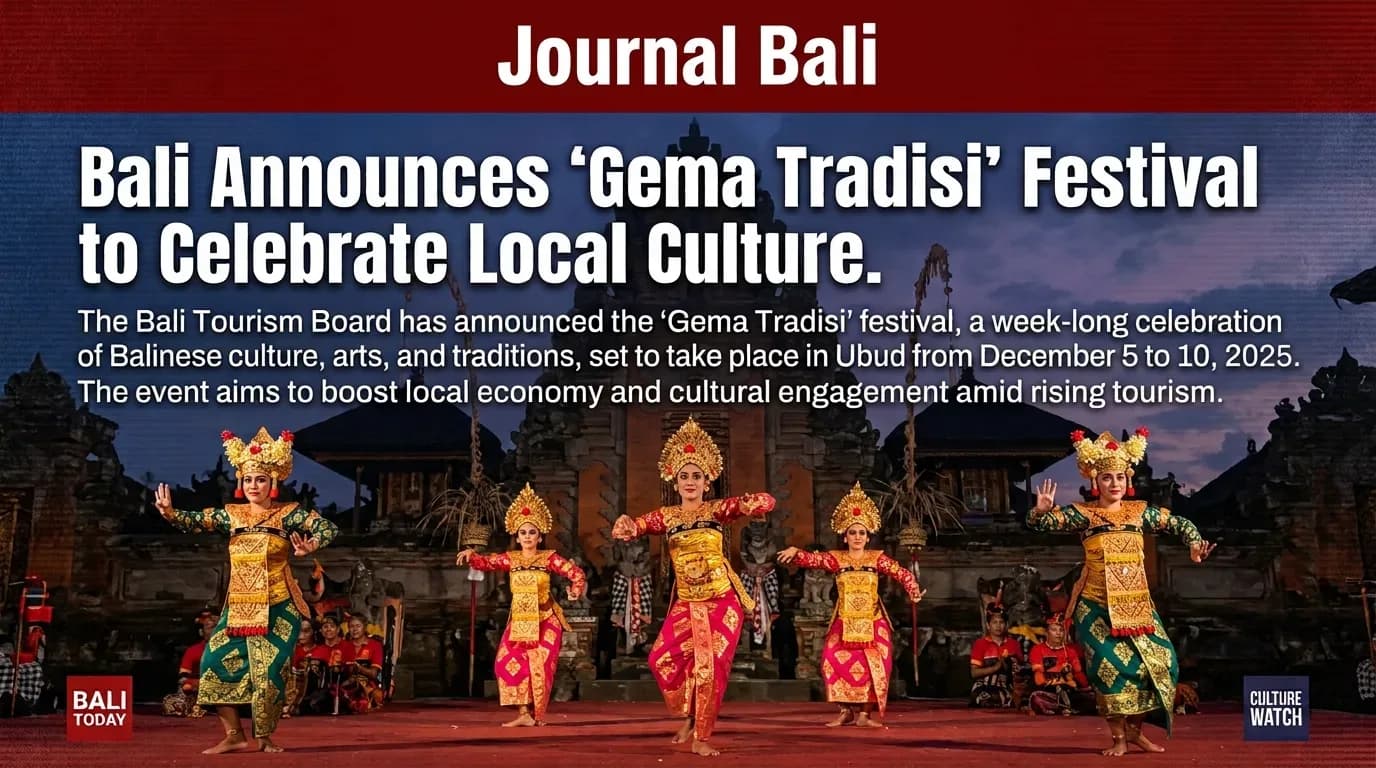
This year, the Bali Tourism Board, in partnership with private stakeholders, introduced the Ubud Cultural Festival, a month-long celebration featuring traditional Balinese dance, music, and handicraft exhibitions. The festival, held in the island's cultural heartland, has already drawn thousands of visitors, according to preliminary figures from the board. In parallel, several luxury hotels have opened in popular enclaves such as Seminyak and Uluwatu, each promising a fusion of modern comfort and Balinese aesthetics, with infinity pools overlooking the Indian Ocean and spas offering traditional jamu treatments.
Governor Outlines Vision for Cultural Tourism
Governor Wayan Koster, speaking at the festival's opening ceremony, underscored the strategic importance of these efforts. "Our goal is to ensure that Bali remains a top choice for international travelers by promoting our unique culture and heritage," Koster said. "We are not just selling beaches; we are sharing a living tradition that has thrived for centuries." The governor has also pushed for stricter regulations on beachfront development to protect the island's coastline, a move applauded by conservation groups but watched warily by some developers.
Local business owner Made Putra, who runs a batik workshop in Ubud, echoed the governor's sentiment. "The investment in cultural events is not just about attracting tourists, but also about preserving our traditions for future generations," Putra said. His workshop has seen a 30% increase in orders since the festival began, he noted, as visitors seek authentic souvenirs. The ripple effect is visible across the island: homestay bookings in Ubud are up, and warungs (family-owned eateries) report bustling lunchtime crowds.
Recovery After Pandemic Slump
Bali's economy, heavily reliant on tourism, was among the hardest hit in Indonesia during the COVID-19 pandemic, with visitor arrivals plummeting by over 80% in 2020. The island, which welcomed over 6 million international tourists in 2019, saw that number fall to barely a million in the following two years. In response, the government and local businesses pivoted to domestic tourism and digital marketing campaigns, while also investing in health protocols to reassure future visitors. The new cultural initiatives represent a long-term strategy to diversify beyond the traditional sun-and-beach appeal.
According to the Central Statistics Agency, Bali's economy contracted by 9.3% in 2020, the worst among Indonesian provinces. However, recent data shows a steady uptick: in the first quarter of this year, foreign arrivals reached 1.2 million, a 150% increase year-on-year, though still below pre-pandemic levels. Analysts attribute part of the rebound to the island's aggressive vaccination drive and the easing of travel restrictions, including the removal of quarantine requirements for vaccinated visitors from select countries.
Economic Boost and Environmental Concerns
The renewed focus on cultural tourism is expected to inject billions of rupiah into the local economy. Artisans, tour guides, and transportation providers are all reporting higher demand, and the Bali Tourism Board projects that the festival alone could generate up to 500 billion rupiah (approximately $32 million) in additional revenue. "We are seeing a multiplier effect," said Dewa Gede, a tourism economist at Udayana University. "Every dollar spent on a cultural tour circulates through multiple local businesses, from food vendors to homestay owners."
However, the surge in visitors has also revived concerns about environmental degradation. Environmental advocate Nyoman Sudarta warned, "We must ensure that tourism's resurgence does not come at the expense of our environment." Sudarta points to issues such as plastic waste on beaches, water scarcity in southern Bali, and the encroachment of hotels on green spaces. He has called for stricter enforcement of zoning laws and a cap on new developments in sensitive areas, echoing a broader debate about the island's carrying capacity.
Bali's provincial government has taken some steps to address these worries, including a temporary moratorium on new hotel construction in congested areas like Canggu and a push for eco-certification among hotels. The tourism board has also launched a "Clean Bali" campaign, encouraging tourists to participate in beach clean-ups and reduce single-use plastics. Yet, critics argue that more binding regulations are needed, not just voluntary measures.
Looking Ahead
Looking ahead, Bali's tourism sector appears poised for sustained growth, driven by strategic initiatives that blend cultural preservation with modern hospitality. The island is set to host several international events later this year, including a culinary summit in Ubud and a surfing championship in Uluwatu, which are expected to draw additional visitors. Continued collaboration between government, businesses, and communities will be crucial in sustaining this momentum while addressing environmental concerns, according to observers.
For now, the mood on the island is cautiously optimistic. "We have learned from the pandemic that we cannot take tourism for granted," said Made Putra, as he wrapped a hand-painted sarong for a customer from Germany. "But we also know that our culture is our strength, and as long as we protect it, Bali will always be special." The coming months will test whether the island can balance the demands of growth with the preservation of its soul.

Read Also from Other Categories

Local Farmers Rally for Support Amid Bali's Agricultural Policy Shift
As Bali's provincial government implements new agricultural policies, local farmers express concerns over their livelihoods. The shift aims to modernize practices but raises questions about sustainability and community impact.

Investors Shift Focus to Bali's Innovative Aquaculture Ventures in 2023
Bali's aquaculture sector has seen a remarkable 35% increase in investment this year, attracting both local and international funding. The surge is driven by a growing demand for sustainable seafood and innovative farming techniques.

Canggu Residents Alarmed by Rising Incidents of Coastal Erosion
As Canggu's picturesque coastline faces increasing erosion, local residents and businesses express urgent concerns. The ongoing erosion threatens homes, livelihoods, and the area's renowned tourism appeal.

Community-Led Initiatives Foster Urban Infrastructure Growth in Denpasar
Residents of Denpasar are taking the lead in improving urban infrastructure through collaborative projects. Local government support amplifies these initiatives, aiming to enhance the city's livability amidst rapid urbanization.
Bali's New Career Hub: Empowering Local Job Seekers with Innovative Training
Bali's job seekers are gaining new opportunities through a strategic partnership between local businesses and vocational training centers. This initiative aims to equip the workforce with essential skills to meet the demands of a rapidly changing job market.
Navigating Bali's Evolving Social Landscape: Challenges and Opportunities
As Bali grapples with increasing social disparities, experts urge a reevaluation of community policies. Understanding these shifts is crucial for fostering a more equitable future for all residents.
Comments (0)
No comments yet. Be the first!