Bali's Tech-Driven Tourism Transformation: A New Era for Travel Experiences
Bali's tourism sector is embracing technology to enhance visitor experiences, from AI-driven hotel services to virtual reality cultural tours. This shift is expected to redefine how tourists interact with the island's rich heritage and modern amenities.

Bali's tourism industry is experiencing a significant transformation, driven by advancements in technology that promise to enhance visitor experiences. The integration of artificial intelligence, virtual reality, and other digital tools is reshaping how tourists engage with the island's culture, accommodations, and attractions.
In recent months, several hotels and resorts across Bali have begun implementing AI-driven services to streamline operations and improve customer satisfaction. For instance, the luxurious Mandapa, a Ritz-Carlton Reserve, has introduced an AI concierge that assists guests with everything from booking spa treatments to recommending local dining options. This move aligns with a broader trend in the hospitality sector, which increasingly prioritizes personalized guest interactions.
Moreover, the rise of virtual reality (VR) technology is opening new avenues for cultural engagement. The Bali Tourism Board has partnered with local developers to create immersive VR experiences that allow tourists to explore Balinese temples and cultural sites from the comfort of their hotels. These experiences not only cater to tech-savvy travelers but also aim to educate visitors about the island's rich history and traditions.
As part of this tech-driven transformation, local businesses are also adapting to meet the demands of a modern traveler. In Canggu, for example, numerous cafes and shops are leveraging mobile apps to facilitate cashless transactions and offer loyalty rewards to frequent visitors. This shift not only enhances convenience for tourists but also supports local entrepreneurs in navigating a competitive market.

Additionally, the Bali Provincial Government is actively supporting the integration of technology within the tourism sector. In 2025, the government launched a digital tourism platform aimed at providing real-time information on attractions, events, and transportation options. This initiative has been well-received by both locals and tourists, who appreciate the ease of accessing critical information while exploring the island.
Despite these advancements, industry experts warn that the reliance on technology must be balanced with preserving Bali's cultural integrity. "While technology can enhance the visitor experience, it is crucial that we do not lose sight of what makes Bali unique—its traditions, hospitality, and natural beauty," said Putu Sudiarta, head of the Bali Tourism Board.
In response to these concerns, tourism stakeholders are focusing on sustainable practices that blend technology with traditional values. For example, eco-friendly hotels in Ubud are employing technology to monitor energy consumption and reduce waste, ensuring that the growth of the tourism sector does not come at the expense of the environment.

The shift towards a tech-centric approach in tourism is also reflected in the growing popularity of digital nomadism in Bali. As more remote workers flock to the island, co-working spaces are incorporating advanced technological amenities to cater to this demographic. Facilities like Dojo Bali and Outpost are not only providing high-speed internet but also fostering a community atmosphere that encourages collaboration and innovation among digital nomads.
Looking forward, industry analysts predict that the continued integration of technology will significantly impact Bali's tourism landscape. With initiatives aimed at enhancing visitor experiences and improving operational efficiency, the island is poised to attract a new generation of travelers seeking both adventure and convenience.
As Bali navigates this transformation, stakeholders remain optimistic about the future of the island's tourism industry. By embracing technology while honoring its cultural heritage, Bali can set a precedent for other destinations looking to innovate in the travel sector.


Read Also from Other Categories

Jakarta's Expansion Plans Prompt Bali's Government to Rethink Land Policies
As Jakarta prepares for significant urban expansion, Bali's provincial government faces pressure to update its land use regulations. This shift aims to balance development with preservation amidst concerns from local communities.

Bali's Insurance Tech Startups Attract Major Investments Amid Global Trends
Bali's insurance technology sector is rapidly gaining traction, with several startups securing significant funding in 2023. Investors are drawn to innovative solutions addressing local and global insurance challenges, signaling a shift in the investment landscape.

Increased Landslide Risks Challenge Bali's Remote Villages
As heavy rains persist in Bali, remote villages face heightened risks of landslides, prompting local authorities to issue safety alerts. Community leaders are calling for urgent measures to enhance infrastructure and emergency response capabilities.
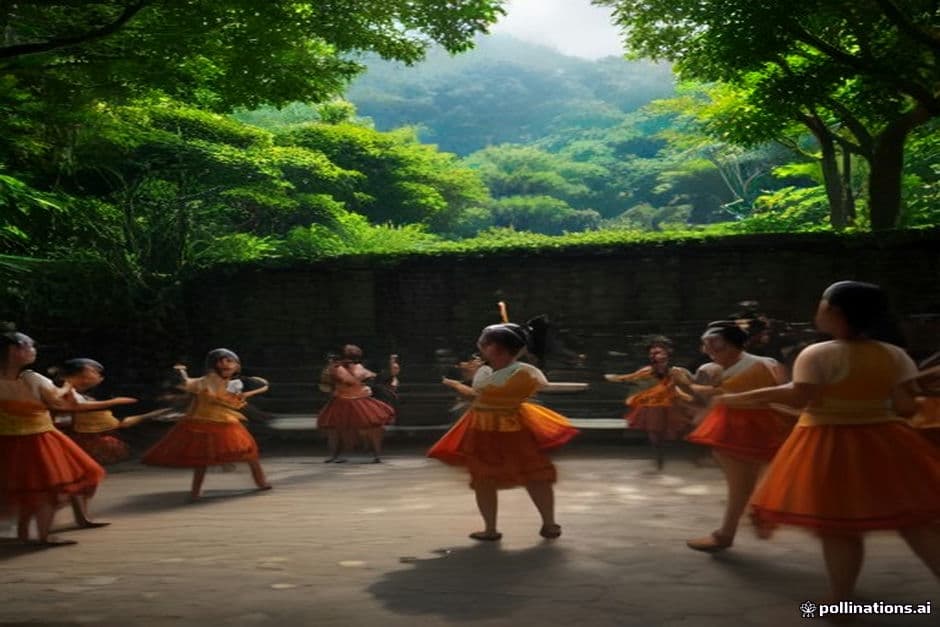
Cultural Education Program Revitalizes Local Traditions in Bali Schools
A new initiative launched by Bali's education department aims to integrate local culture into school curriculums across the island. This program seeks to instill pride in Balinese heritage among the youth, fostering a deeper connection to their roots.

Job Market Transformation: Bali's Shift to Remote Work Opportunities
Bali's job market is evolving, with remote work opportunities surging by 30% in the past year. This trend is reshaping employment patterns and attracting a diverse talent pool to the island.

Cafes and Culture: The Role of Community Spaces in Bali's Recovery
As Bali emerges from the pandemic, community cafes are becoming vital hubs for cultural exchange and economic revitalization. These spaces are not only serving coffee but also fostering a sense of belonging and collaboration among locals and visitors alike.
Comments (0)
No comments yet. Be the first!