Bali's Startup Surge: Investors Flock to Island's Booming Tech Scene
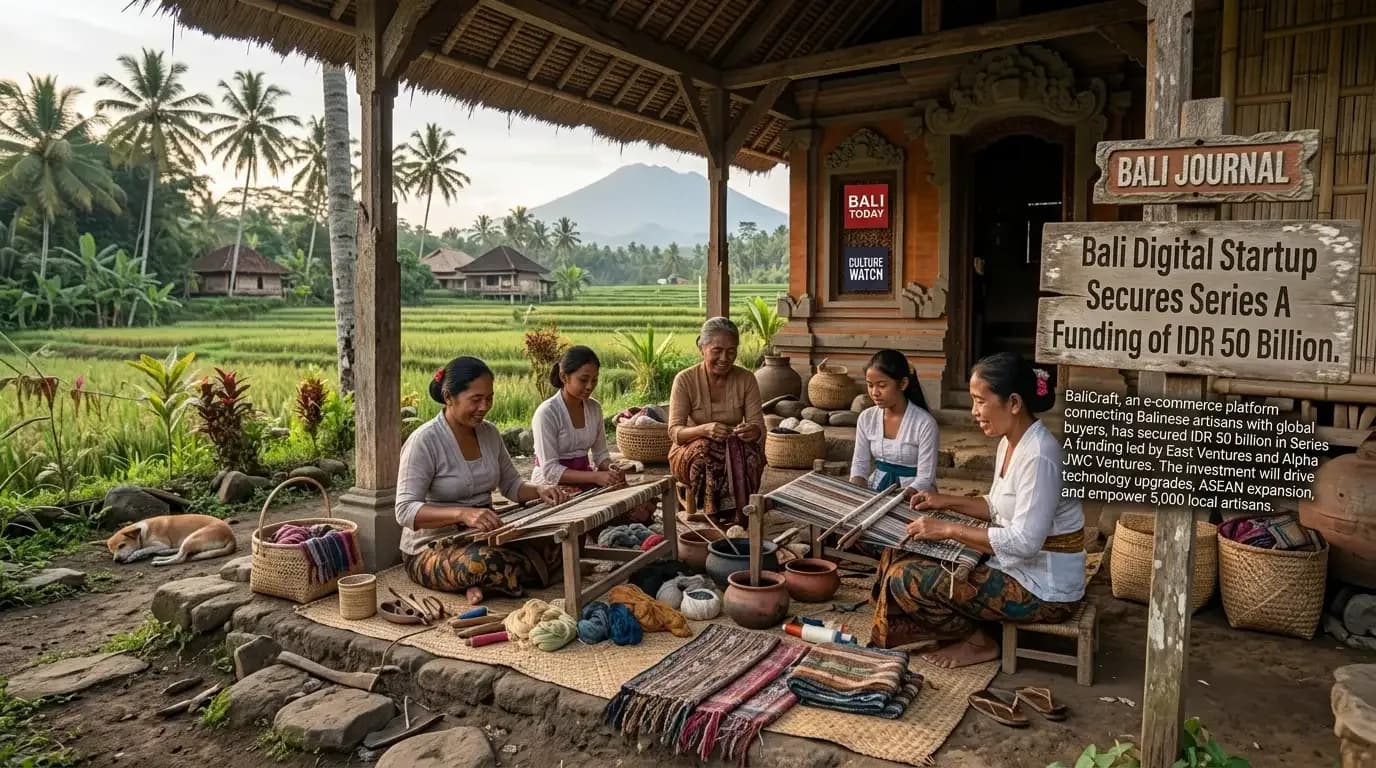
Bali's tech startup scene is booming, with venture capital investments up 30% in the past year as investors flock to the island's emerging tech hubs in Canggu and Denpasar. This shift is diversifying an economy long reliant on tourism, though concerns about cultural and environmental impacts remain.

Bali, long celebrated for its beaches and spiritual retreats, is now drawing a new kind of visitor: venture capitalists. The island's tech startup scene has exploded over the past year, with investments surging 30% and a wave of funding flowing into local companies, signaling a major shift in the island's economic identity.
According to the Bali Investment Authority, tech startups on the island have attracted significant capital, including a $10 million Series A round for a local e-commerce platform and a $5 million seed investment in a sustainable tech company based in Denpasar. The Indonesian Ministry of Investment reports growing interest from investors across Southeast Asia, Europe, and the United States, particularly in ventures focused on green technology and digital services.
"Bali is not just a travel destination anymore; it's fast becoming a tech hub," said Made Wirawan, Head of the Bali Investment Agency. "The island offers a unique blend of creativity and innovation, which is highly attractive to investors."
The epicenter of this activity is concentrated in Canggu and Denpasar, where a vibrant community of entrepreneurs has taken root. Coworking spaces buzz with laptop-toting founders, and networking events draw crowds of local and international talent. The trend is reshaping the local economy, driving innovation, and creating new employment opportunities for Balinese youth.
Local entrepreneur Wayan Subrata, founder of the successful startup BaliTech, said the ecosystem has matured rapidly. "The support from both the government and the private sector has been phenomenal," he said. "We are seeing more talent and capital flowing into Bali than ever before."
From Tourism Dependence to Tech Diversification
Historically, Bali's economy has leaned heavily on tourism, which accounted for over 60% of its GDP. The COVID-19 pandemic, which brought international travel to a standstill, exposed the fragility of that reliance. In response, the local government and private sector leaders have aggressively promoted Bali as a destination for tech innovation.
Initiatives such as the establishment of tech incubators in Renon and tech-focused coworking spaces in Ubud have been instrumental in this transformation. These hubs provide startups with mentorship, funding connections, and a collaborative environment that was previously lacking.
The shift is expected to have a profound impact on the island's economy. Reducing dependency on tourism could create high-skilled jobs and foster a culture of innovation, providing local communities with alternative sources of income and growth. This diversification is seen as a buffer against future shocks, whether from pandemics, natural disasters, or global economic downturns.
Balancing Growth with Preservation
Despite the optimism, there are concerns about the cultural and environmental costs of rapid development. Some local residents worry that the influx of tech businesses may drive up living costs and alter Bali's traditional way of life. Environmentalists are calling for strict regulations to ensure the tech boom does not come at the expense of the island's natural beauty and resources.
"We welcome investment, but it must be sustainable," said Nyoman Sujana, a community leader in Ubud. "Bali's charm is its culture and environment; if we lose that, we lose everything."
These concerns are not unfounded. In recent years, Bali has grappled with traffic congestion, waste management issues, and water scarcity, all exacerbated by rapid urbanization. Tech companies, with their typically higher salaries and modern infrastructure needs, could add to these pressures if not managed carefully.
Government Incentives and Future Plans
Looking forward, Bali's government is keen to sustain the momentum. Officials are offering tax incentives for tech investments and fostering partnerships with international tech giants. One notable initiative is the planned 'Digital Nomad Village' in Sanur, designed to attract global talent and encourage long-term stays.
"We are creating an ecosystem that supports innovation while respecting our heritage," said Wirawan. "The goal is to make Bali a leading tech hub in Southeast Asia, but on our own terms."
The government is also investing in digital infrastructure, including high-speed internet and smart city technologies, to support the growing number of startups. Educational programs are being developed to train locals in coding and digital marketing, ensuring that the benefits of the tech boom are shared broadly.
As Bali navigates this transition, the world will be watching. The island has already proven its resilience, bouncing back from the pandemic with a renewed sense of purpose. With continued support and strategic planning, Bali is poised not only to cement its place as a tech hub but also to serve as a model for other regions seeking to diversify their economies while preserving their unique identities.
For now, the influx of investment shows no signs of slowing. Each week brings news of new funding rounds, new partnerships, and new startups setting up shop on the island. For the entrepreneurs and investors who have bet on Bali, the island's future looks as bright as its sunsets.


Read Also from Other Categories

Emerging Trends in Bali's Adventure Tourism: Thrilling New Experiences Await
Bali's adventure tourism sector is rapidly evolving, offering visitors thrilling experiences that go beyond traditional attractions. From canyoning in Ubud to zip-lining in Gianyar, the island is becoming a hub for adrenaline seekers and nature enthusiasts alike.

Local Farmers Rally for Support Amid Bali's Agricultural Policy Shift
As Bali's provincial government implements new agricultural policies, local farmers express concerns over their livelihoods. The shift aims to modernize practices but raises questions about sustainability and community impact.

Canggu Residents Alarmed by Rising Incidents of Coastal Erosion
As Canggu's picturesque coastline faces increasing erosion, local residents and businesses express urgent concerns. The ongoing erosion threatens homes, livelihoods, and the area's renowned tourism appeal.

Community-Led Initiatives Foster Urban Infrastructure Growth in Denpasar
Residents of Denpasar are taking the lead in improving urban infrastructure through collaborative projects. Local government support amplifies these initiatives, aiming to enhance the city's livability amidst rapid urbanization.
Bali's New Career Hub: Empowering Local Job Seekers with Innovative Training
Bali's job seekers are gaining new opportunities through a strategic partnership between local businesses and vocational training centers. This initiative aims to equip the workforce with essential skills to meet the demands of a rapidly changing job market.

Navigating Bali's Evolving Social Landscape: Challenges and Opportunities
As Bali grapples with increasing social disparities, experts urge a reevaluation of community policies. Understanding these shifts is crucial for fostering a more equitable future for all residents.
Comments (0)
No comments yet. Be the first!