Bali's Startup Boom: A New Investment Wave in the Island's Economy
Bali is experiencing a surge in tech startup investments, diversifying its economy beyond tourism and attracting venture capital to hubs like Canggu and Ubud. The boom, fueled by government incentives and a returning talent pool, promises job creation and infrastructure improvements, though locals urge a balance with cultural preservation.
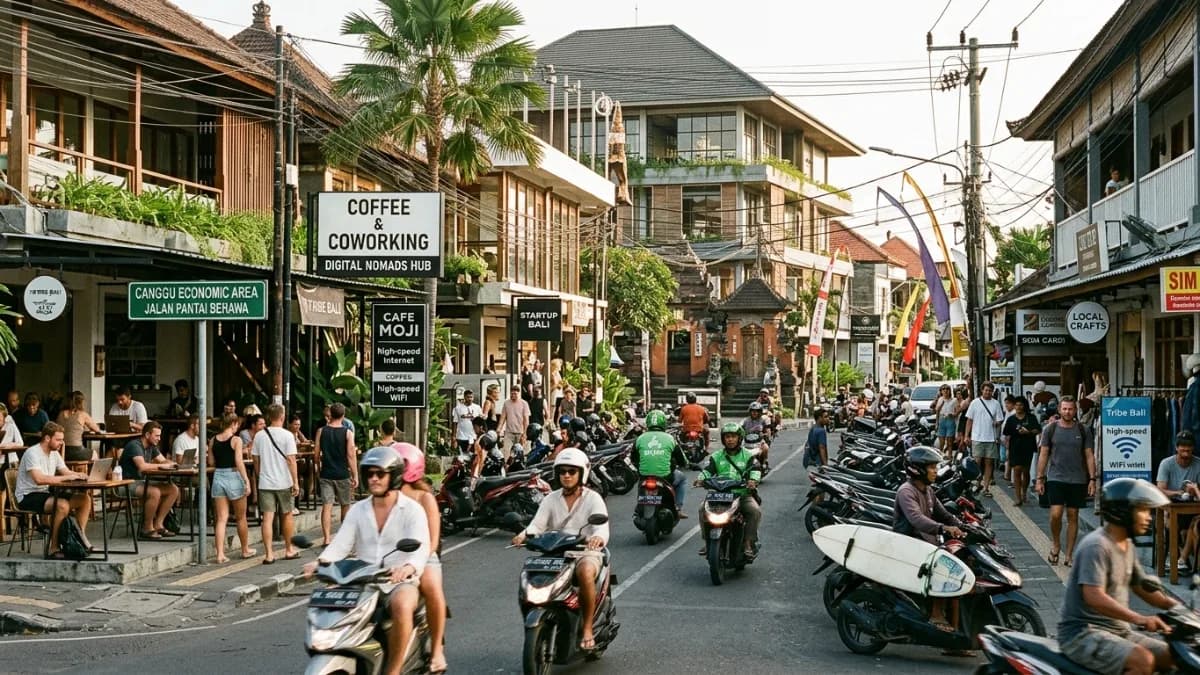
Bali, long known for its beaches and spiritual retreats, is now making waves in the technology sector as a wave of startup investments reshapes the island's economic landscape. Over the past year, venture capitalists from Jakarta, Singapore, and beyond have poured millions into local tech ventures, signaling a strategic shift from a tourism-dependent economy to one embracing innovation and sustainability.
The investment surge is concentrated in the bustling districts of Canggu and Ubud, which have become magnets for digital nomads and entrepreneurs. In recent months, several high-profile funding rounds have closed, including a $5 million Series A round for a Bali-based eco-tech startup focused on sustainable waste management solutions, and a fintech company that secured $3 million in seed funding to expand its operations across Southeast Asia. These deals underscore a growing confidence in Bali's ability to nurture scalable businesses with regional reach.
"We are witnessing a new era for Bali, where technology and innovation are becoming crucial components of our economic growth," said I Wayan Koster, the Governor of Bali. "The investment landscape is shifting, and this is a positive signal for diversifying our economic base," he added, speaking at a recent tech forum in Denpasar.
Tourism's Fragile Foundation
Historically, tourism has been the backbone of Bali's economy, accounting for an estimated 60% of its GDP and employing a significant portion of the population. However, the COVID-19 pandemic exposed the fragility of this reliance, as international arrivals plummeted and the island faced its worst economic contraction in decades. The crisis prompted local leaders, business owners, and investors to seek more resilient alternatives, accelerating a pre-existing trend of digital nomads and remote workers choosing Bali as a base.
"Bali is not just about beaches and tourism anymore," said Ayu Pratiwi, a local entrepreneur who recently launched a successful agritech startup that connects small farmers directly with urban markets. "There's a palpable energy here among young entrepreneurs and investors alike. We are building something that can sustain the island for generations," she told Bali Journal in an interview at her office in Ubud.
Government incentives have played a key role in this transformation. The provincial administration has introduced tax breaks for tech companies, streamlined business licensing, and invested in digital infrastructure, including high-speed internet in rural areas. Additionally, a growing pool of local talent is returning to Bali after completing studies abroad, bringing with them international experience and networks.
Job Creation and Infrastructure Gains
The influx of startup capital is expected to create a wave of new job opportunities, attracting skilled professionals to the island and helping to reverse the brain drain that has long seen young Indonesians seek careers in Jakarta or overseas. As tech companies establish headquarters in Canggu and Ubud, they are driving demand for engineers, product managers, and marketing specialists, with salaries increasingly competitive with those in the capital.
Infrastructure is also improving. Co-working spaces are proliferating, with new hubs opening in Seminyak, Sanur, and even in more remote areas like Sidemen. Internet connectivity has been upgraded across the island, and plans are underway to develop a technology park in the southern Badung regency, which would house startups and research facilities. These developments are not only benefiting the tech sector but also enhancing the overall quality of life for residents.
Balancing Progress and Heritage
Despite the optimism, some long-time residents express caution about the pace of change. Ketut Adnyana, a business owner in Ubud who runs a traditional wood-carving shop, voiced concerns about the potential cultural erosion. "We must ensure that our traditions and way of life remain intact as we embrace modernity," he said. "Development is good, but it must be balanced with preserving our heritage. We have seen how tourism has changed our villages; we do not want technology to do the same without careful planning."
Local communities are already grappling with rising property prices and the displacement of traditional businesses in favor of trendy cafes and tech offices. Cultural activists have called for regulations that protect sacred sites and ensure that development respects Bali's unique Hindu traditions. The provincial government has responded by proposing new zoning laws that designate certain areas as cultural preservation zones, but enforcement remains a challenge.
Positioning Bali as a Regional Tech Hub
Looking ahead, Bali's government and business leaders are keen to position the island as a leading tech destination in Southeast Asia, rivaling established hubs like Singapore and Bangkok. Initiatives such as tech incubators, innovation centers, and annual startup competitions are in the pipeline to support budding entrepreneurs. The island's natural appeal—its climate, lifestyle, and growing international community—is a powerful draw for talent, and investors are taking note.
"Bali has the potential to become the Silicon Valley of Southeast Asia, but with a soul," said Pratiwi, echoing a sentiment shared by many in the ecosystem. "We have the creativity, the resilience, and now the capital. The challenge is to grow without losing what makes Bali special."
The next few years will be decisive in determining whether Bali can successfully integrate its rich cultural identity with a burgeoning tech economy. The island is at a crossroads, and the choices made now—by investors, policymakers, and the community—will shape its future for decades. As the world watches, Bali is betting that technology can be a force for economic diversification, social progress, and cultural preservation, all at once.


Read Also from Other Categories

Emerging Trends in Bali's Adventure Tourism: Thrilling New Experiences Await
Bali's adventure tourism sector is rapidly evolving, offering visitors thrilling experiences that go beyond traditional attractions. From canyoning in Ubud to zip-lining in Gianyar, the island is becoming a hub for adrenaline seekers and nature enthusiasts alike.

Local Farmers Rally for Support Amid Bali's Agricultural Policy Shift
As Bali's provincial government implements new agricultural policies, local farmers express concerns over their livelihoods. The shift aims to modernize practices but raises questions about sustainability and community impact.

Canggu Residents Alarmed by Rising Incidents of Coastal Erosion
As Canggu's picturesque coastline faces increasing erosion, local residents and businesses express urgent concerns. The ongoing erosion threatens homes, livelihoods, and the area's renowned tourism appeal.

Community-Led Initiatives Foster Urban Infrastructure Growth in Denpasar
Residents of Denpasar are taking the lead in improving urban infrastructure through collaborative projects. Local government support amplifies these initiatives, aiming to enhance the city's livability amidst rapid urbanization.
Bali's New Career Hub: Empowering Local Job Seekers with Innovative Training
Bali's job seekers are gaining new opportunities through a strategic partnership between local businesses and vocational training centers. This initiative aims to equip the workforce with essential skills to meet the demands of a rapidly changing job market.
Navigating Bali's Evolving Social Landscape: Challenges and Opportunities
As Bali grapples with increasing social disparities, experts urge a reevaluation of community policies. Understanding these shifts is crucial for fostering a more equitable future for all residents.
Comments (0)
No comments yet. Be the first!