Bali's Rising Road Fatalities: A Call for Urgent Traffic Safety Measures
Bali experiences a concerning 25% increase in road fatalities in 2023, prompting calls for stricter traffic regulations. Experts warn that without immediate action, the island's tourist reputation and local safety will continue to suffer.
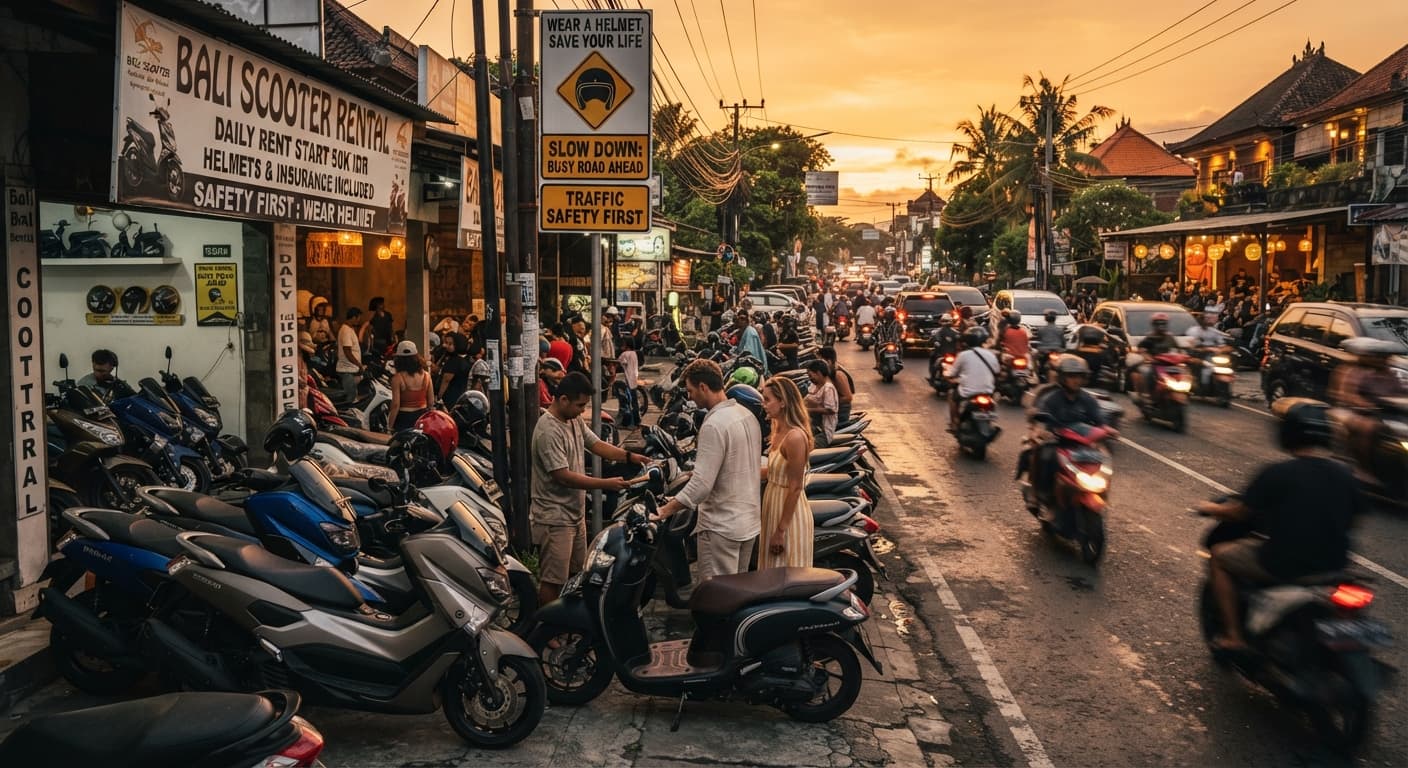
In 2023, Bali has recorded a staggering 25% increase in road fatalities, with 180 deaths reported compared to 144 in 2022. This alarming trend has raised significant concerns among local authorities and safety experts, who are urging the government to implement stricter traffic regulations and promote road safety awareness, particularly as tourism numbers rebound following the pandemic.
According to data from the Bali Provincial Police, the rise in fatalities is largely attributed to reckless driving, particularly among tourists renting scooters. In 2023 alone, 75% of the fatalities involved foreign nationals, a sharp increase from 60% in 2022. This trend underscores the need for improved safety measures, as Bali is a popular destination for tourists seeking adventure on two wheels.
The Bali Transport Department has noted that the island's road infrastructure has not kept pace with the increasing number of vehicles, which surged by 15% from 2022 to 2023. With an estimated 600,000 registered vehicles in Bali, the roads have become increasingly congested, creating hazardous conditions for both drivers and pedestrians.
Furthermore, statistics reveal that over 50% of road accidents occur during the evening hours, particularly on popular tourist routes such as Jalan Raya Seminyak and Jalan Petitenget. Local law enforcement has identified the consumption of alcohol and lack of helmet use as significant contributing factors to these incidents. In response, authorities have announced plans to increase patrols and conduct random checks to enforce helmet-wearing regulations.
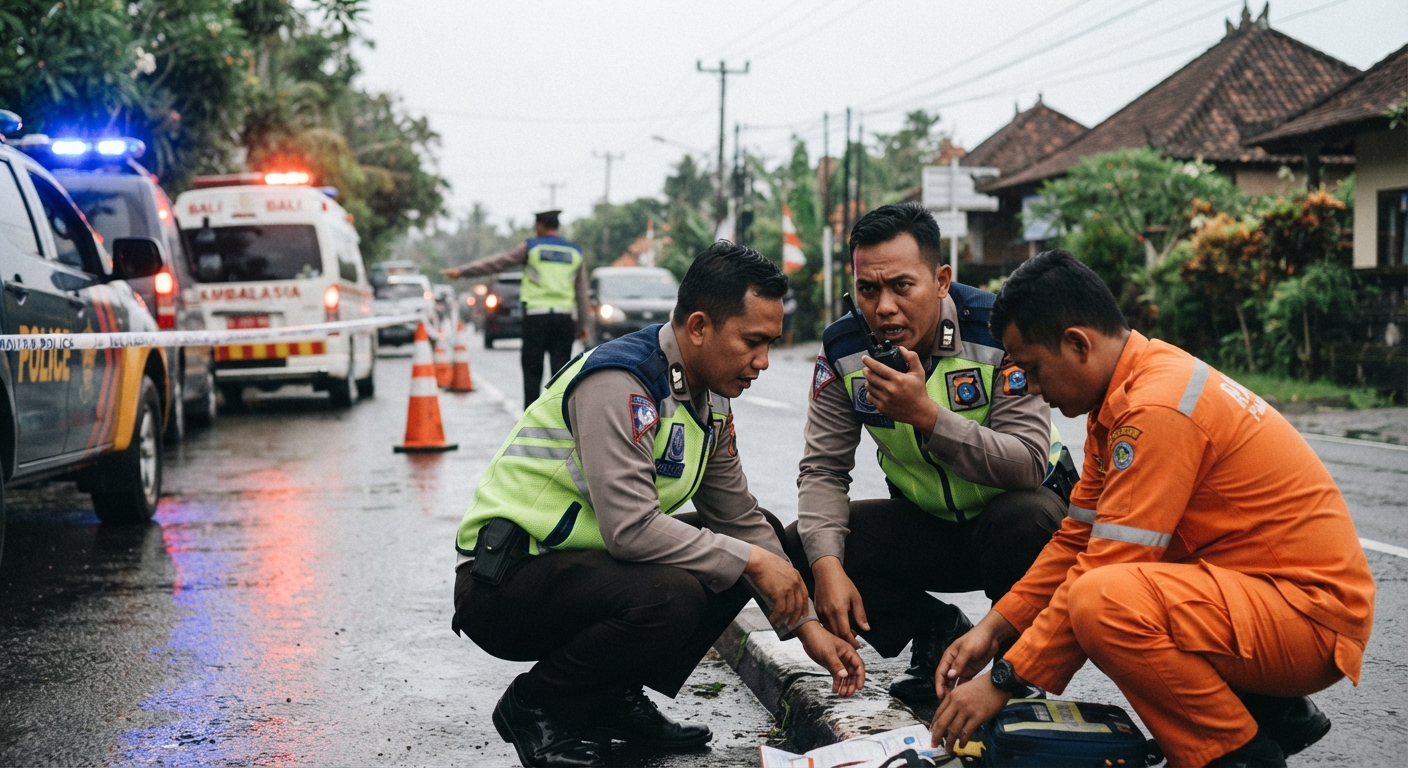
The Bali Provincial Government is also considering implementing stricter penalties for traffic violations. Currently, the fine for riding without a helmet is only 250,000 IDR (approximately $17), which many believe is insufficient to deter reckless behavior. Proposals are on the table to increase fines by up to 300%, alongside public education campaigns to promote safe riding practices.
In a striking comparison, neighboring regions such as Yogyakarta and Lombok have reported a decrease in road fatalities, attributed to more stringent traffic laws and effective public awareness campaigns. Yogyakarta, for instance, saw a 10% drop in fatalities after introducing mandatory safety courses for all scooter renters. Bali officials are now looking to these successful models as potential templates for reform.
In the wake of this disturbing trend, several local organizations have launched initiatives aimed at improving road safety. Campaigns include distributing free helmets to tourists and conducting workshops on safe riding practices. Local businesses have also joined forces, offering discounts on scooter rentals for those who attend safety briefings.

The surge in road fatalities not only poses a threat to public safety but also risks damaging Bali's reputation as a safe travel destination. Tourism stakeholders are increasingly vocal about the need for immediate action, fearing that continued incidents could lead to a decline in visitor numbers. The head of the Bali Tourism Board has emphasized the importance of addressing these safety concerns to maintain the island's allure.
As Bali approaches the peak tourist season, authorities are under mounting pressure to act decisively. The combination of increased tourist traffic and the current trend of road fatalities presents a critical challenge that requires a multi-faceted approach, involving law enforcement, public education, and community engagement to ensure the safety of both locals and visitors.
In conclusion, the alarming rise in road fatalities in Bali is a pressing issue that demands urgent attention from both the government and the community. Without immediate and effective measures to enhance road safety, the island risks not only the well-being of its residents and visitors but also its reputation as a prime tourist destination.



Read Also from Other Categories

Exploring Bali's Thriving Community-Based Tourism Initiatives
Bali is witnessing a significant rise in community-based tourism initiatives that are enhancing local engagement and visitor experiences. This trend, driven by local artisans and sustainable practices, is reshaping the tourism landscape across the island.

Jakarta's Expansion Plans Prompt Bali's Government to Rethink Land Policies
As Jakarta prepares for significant urban expansion, Bali's provincial government faces pressure to update its land use regulations. This shift aims to balance development with preservation amidst concerns from local communities.

Bali's Insurance Tech Startups Attract Major Investments Amid Global Trends
Bali's insurance technology sector is rapidly gaining traction, with several startups securing significant funding in 2023. Investors are drawn to innovative solutions addressing local and global insurance challenges, signaling a shift in the investment landscape.

Cultural Education Program Revitalizes Local Traditions in Bali Schools
A new initiative launched by Bali's education department aims to integrate local culture into school curriculums across the island. This program seeks to instill pride in Balinese heritage among the youth, fostering a deeper connection to their roots.

Job Market Transformation: Bali's Shift to Remote Work Opportunities
Bali's job market is evolving, with remote work opportunities surging by 30% in the past year. This trend is reshaping employment patterns and attracting a diverse talent pool to the island.

Cafes and Culture: The Role of Community Spaces in Bali's Recovery
As Bali emerges from the pandemic, community cafes are becoming vital hubs for cultural exchange and economic revitalization. These spaces are not only serving coffee but also fostering a sense of belonging and collaboration among locals and visitors alike.
Comments (0)
No comments yet. Be the first!