Bali's Resort Sector Shifts Towards Sustainable Luxury Experiences
Bali's hotel industry is embracing sustainability as a key driver for attracting eco-conscious travelers. This trend is redefining luxury accommodations while promoting local culture and environment preservation.
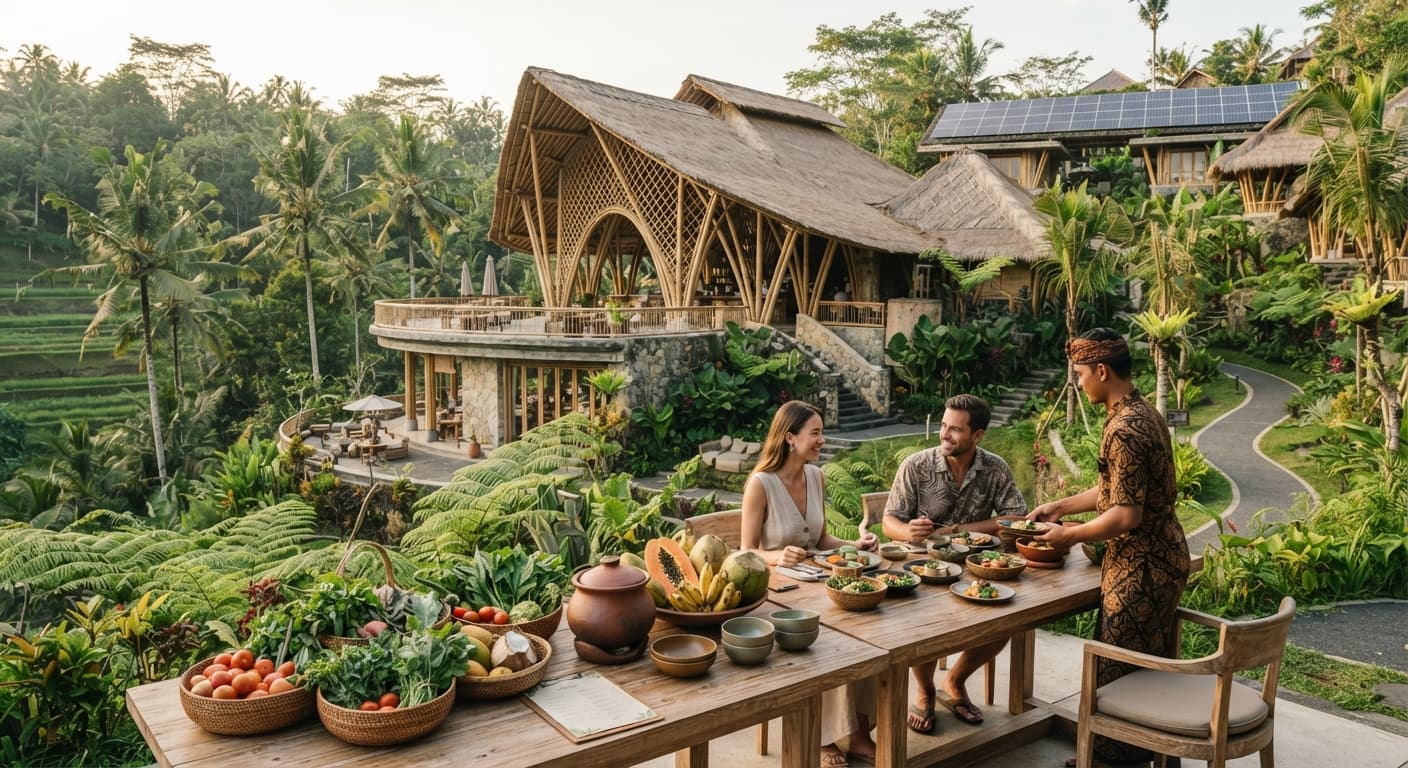
Bali's tourism sector is undergoing a significant transformation as the resort industry increasingly focuses on sustainability. With travelers becoming more environmentally conscious, luxury hotels on the island are adapting their offerings to appeal to this new demographic. This shift towards sustainable luxury is not only enhancing the visitor experience but also supporting local communities and protecting the island's rich biodiversity.
Major resorts such as the Four Seasons at Sayan and Mandapa, a Ritz-Carlton Reserve, have set the standard for eco-friendly practices. These establishments are now integrating local materials into their architecture, sourcing food from local farms, and implementing water conservation measures. For instance, the Four Seasons has invested in a comprehensive waste management program that has reportedly reduced waste by over 30% in recent years.
According to the Bali Hotel Association, approximately 60% of hotels in Bali are now exploring or implementing sustainability initiatives. This figure represents a notable increase from previous years, as more establishments recognize the importance of sustainable practices in attracting guests. The association emphasizes that eco-conscious travelers are willing to pay a premium for hotels that demonstrate a commitment to environmental stewardship.
In a recent interview, I Gusti Ngurah Rai, Head of the Bali Tourism Board, stated, "We are witnessing a new wave of travelers who prioritize sustainability. Bali must adapt to these changes by promoting responsible tourism practices while enhancing the visitor experience." His remarks highlight the necessity for the island's tourism industry to align with global sustainability goals.

The rise of sustainable luxury is also reflected in the culinary scene. Many high-end resorts are offering farm-to-table dining experiences, allowing guests to enjoy fresh, locally-sourced dishes. This initiative not only supports local farmers but also reduces the carbon footprint associated with food transportation. Culinary events like the Bali Food Festival are increasingly showcasing these sustainable dining options, further enhancing the island's appeal to discerning travelers.
Additionally, wellness tourism is on the rise, with many resorts incorporating holistic practices that focus on mental and physical well-being. Spas are now featuring treatments that utilize local ingredients, such as Balinese herbs and spices, and are often set in tranquil natural surroundings. This not only promotes relaxation but also connects tourists with Bali's rich cultural heritage.
Community involvement plays a crucial role in this sustainability movement. Hotels are partnering with local artisans to promote traditional crafts and cultural experiences. For example, some resorts offer workshops where guests can learn Balinese weaving or pottery, providing a unique opportunity to engage with the local culture while supporting the community economically.

Despite the positive momentum, challenges remain. The impact of climate change poses a significant threat to Bali's environment, and the tourism sector must continue to innovate in order to mitigate these risks. Moreover, balancing the influx of tourists with the need to protect the island's natural resources is critical.
Looking ahead, the future of Bali's resort sector appears to be firmly rooted in sustainability. As the demand for eco-friendly luxury experiences grows, hotels that prioritize sustainable practices are likely to thrive. Initiatives such as the Bali Clean Energy Forum, which aims to promote renewable energy solutions within the tourism sector, are essential in guiding the industry towards a more sustainable future.
In conclusion, Bali's shift towards sustainable luxury not only enhances the visitor experience but also fosters a greater sense of responsibility towards the environment and local communities. As the island continues to attract travelers from around the globe, maintaining a balance between tourism growth and sustainability will be vital for its long-term success.



Read Also from Other Categories

Jakarta's Expansion Plans Prompt Bali's Government to Rethink Land Policies
As Jakarta prepares for significant urban expansion, Bali's provincial government faces pressure to update its land use regulations. This shift aims to balance development with preservation amidst concerns from local communities.

Bali's Insurance Tech Startups Attract Major Investments Amid Global Trends
Bali's insurance technology sector is rapidly gaining traction, with several startups securing significant funding in 2023. Investors are drawn to innovative solutions addressing local and global insurance challenges, signaling a shift in the investment landscape.

Power Outages Plague Bali as Storms Intensify, Local Businesses Struggle
Frequent power outages across Bali have heightened concerns for local businesses as storms wreak havoc. With mounting disruptions, community members are calling for urgent improvements to the island's electrical infrastructure.

Community Efforts Push for Sustainable Development in Bali's Rural Areas
Local initiatives are driving a new wave of sustainable development in Bali's rural regions, focusing on infrastructure, education, and cultural preservation. As communities collaborate, the impact is reshaping their futures positively and sustainably.

Job Market Transformation: Bali's Shift to Remote Work Opportunities
Bali's job market is evolving, with remote work opportunities surging by 30% in the past year. This trend is reshaping employment patterns and attracting a diverse talent pool to the island.

Cafes and Culture: The Role of Community Spaces in Bali's Recovery
As Bali emerges from the pandemic, community cafes are becoming vital hubs for cultural exchange and economic revitalization. These spaces are not only serving coffee but also fostering a sense of belonging and collaboration among locals and visitors alike.
Comments (0)
No comments yet. Be the first!