Bali's Real Estate Market Faces Regulatory Pressures Amid Investment Surge
Bali's property landscape experiences heightened regulatory enforcement while attracting significant international investment, marking a pivotal month for the island's hospitality sector.
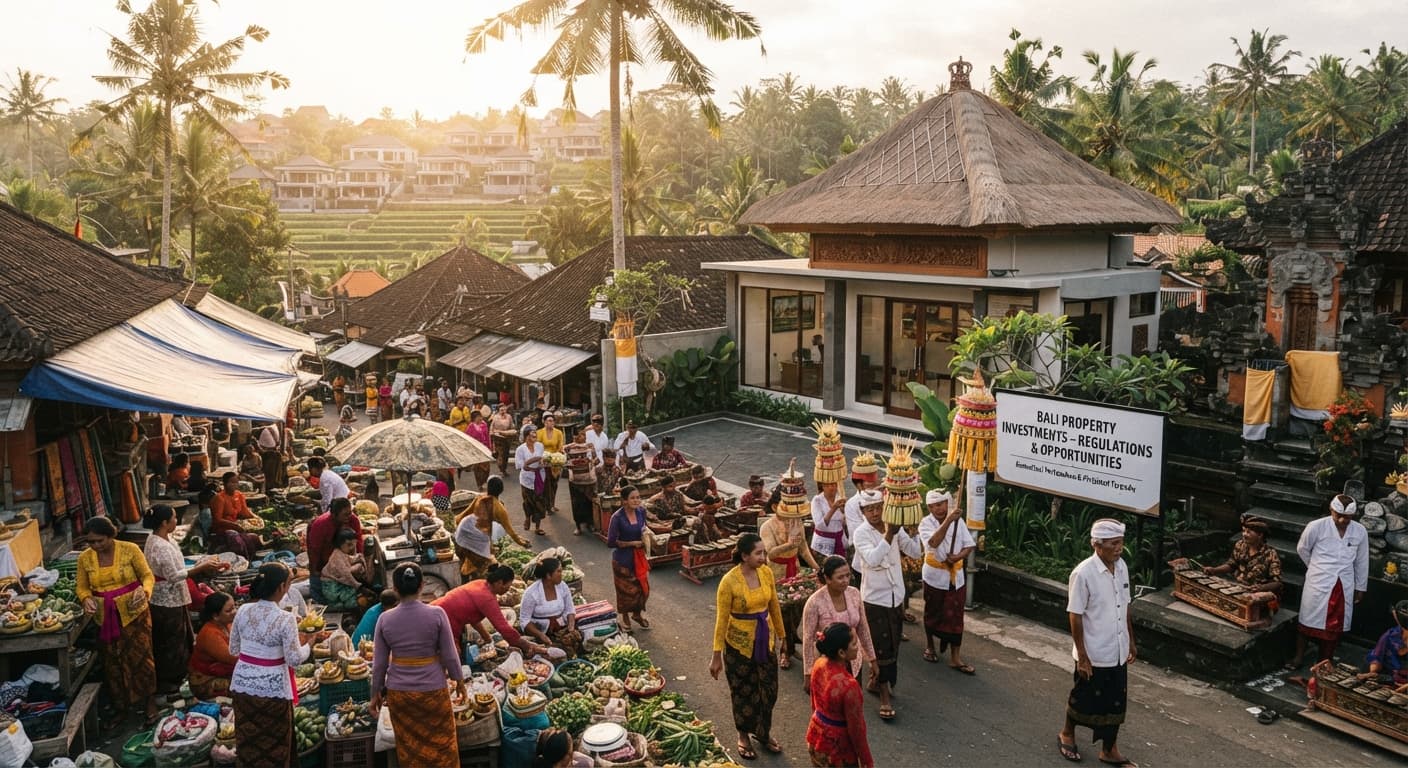
As Bali enters May 2026, the real estate market finds itself at a crossroads, grappling with increasing regulatory scrutiny and a wave of new institutional investments. Provincial authorities have ramped up enforcement of zoning and conservation regulations, leading to the closure of several hospitality projects that have failed to comply with these mandates. This regulatory clampdown comes at a time when international investors are reaffirming their long-term confidence in Bali's potential as a prime destination for tourism and real estate development.
The recent enforcement actions by the Bali Regional Legislature's Special Committee on Spatial Planning and Regional Assets (Pansus TRAP) have spurred significant market reactions. For instance, luxury properties such as Plataran Menjangan, an eco-resort located in Buleleng, were ordered to cease operations for encroaching upon protected mangrove zones. Similarly, the Amazon Jungle Vila project in Tabanan was sealed after exceeding authorized height limits and violating river buffer regulations. These decisions underscore a rigorous effort by local authorities to adhere to environmental standards, which have been historically overlooked amidst Bali's booming tourism sector.
In conjunction with these regulatory challenges, a new compliance mandate requiring all hotels and restaurants in Bali to manage their waste independently by July 2026 adds further operational burdens. With the hospitality sector accounting for an estimated 41% of the island's total waste output, this directive is poised to reshape operational practices across the industry. Governor Wayan Koster emphasized the importance of sustainability, stating, "The management of waste is not just a regulatory requirement; it's a commitment to preserving Bali's natural beauty and resources for future generations."
Despite these pressures, the investor sentiment in Bali remains robust. Recent data reveals that hotel demand in Indonesia surged by 52% in March 2026, buoyed by an overall national economic growth of 5.61%. This growth reflects a dichotomy within the market, where short-term villa rentals in areas like Canggu and Uluwatu are thriving, while speculative land acquisitions in North and West Bali are viewed as appealing opportunities for capital appreciation.
Notably, the hospitality sector is witnessing substantial financial commitments. Mirah Investment and Development has announced a partnership with Singapore and UAE-based RV Capital, targeting over USD 300 million in equity investments aimed at developing new properties, including the SOMOSHOTELS Uluwatu and the Cocana Balangan resort. This influx of capital indicates that, while regulatory environments are tightening, the long-term prospects for Bali's tourism infrastructure remain attractive to foreign investors.
In terms of new developments, PT Bukit Uluwatu Villa Tbk recently acquired 8,395 square meters near Alila Villas Uluwatu for approximately Rp 65.56 billion, signaling continued interest in upscale property expansion in prime locations. The transaction, linked to businessman Happy Hapsoro, secures land with SHGB status, allowing for future estate developments.
However, ongoing challenges loom on the horizon. A recent court hearing involving Icelandic investor Valur Blomsterberg has raised alarms about investment fraud allegations related to a luxury villa project, with claims of significant financial losses. Such legal disputes could potentially deter new investments if they signal instability within the local real estate framework.
As Bali grapples with these regulatory pressures and evolving market dynamics, it is becoming increasingly clear that the island's real estate landscape is entering a new phase. The enforcement of zoning laws and the imminent waste compliance requirements serve as reminders of the delicate balance between development and environmental stewardship. Investors are urged to conduct thorough due diligence, particularly concerning land title complexities introduced by the acceleration of the Indigenous Peoples Bill, which aims to align customary land rights with contemporary investment frameworks.
Ultimately, while regulatory challenges may pose immediate risks for developers, the sustained interest from international investors suggests that Bali's allure as a premier destination for tourism and hospitality remains undiminished. As the island continues to evolve, stakeholders must navigate these complexities with an eye toward sustainable practices that honor both the environment and the cultural heritage of its communities.



Read Also from Other Categories

Emerging Trends in Bali's Adventure Tourism: Thrilling New Experiences Await
Bali's adventure tourism sector is rapidly evolving, offering visitors thrilling experiences that go beyond traditional attractions. From canyoning in Ubud to zip-lining in Gianyar, the island is becoming a hub for adrenaline seekers and nature enthusiasts alike.

Local Farmers Rally for Support Amid Bali's Agricultural Policy Shift
As Bali's provincial government implements new agricultural policies, local farmers express concerns over their livelihoods. The shift aims to modernize practices but raises questions about sustainability and community impact.

Investors Shift Focus to Bali's Innovative Aquaculture Ventures in 2023
Bali's aquaculture sector has seen a remarkable 35% increase in investment this year, attracting both local and international funding. The surge is driven by a growing demand for sustainable seafood and innovative farming techniques.

Canggu Residents Alarmed by Rising Incidents of Coastal Erosion
As Canggu's picturesque coastline faces increasing erosion, local residents and businesses express urgent concerns. The ongoing erosion threatens homes, livelihoods, and the area's renowned tourism appeal.
Bali's New Career Hub: Empowering Local Job Seekers with Innovative Training
Bali's job seekers are gaining new opportunities through a strategic partnership between local businesses and vocational training centers. This initiative aims to equip the workforce with essential skills to meet the demands of a rapidly changing job market.
Navigating Bali's Evolving Social Landscape: Challenges and Opportunities
As Bali grapples with increasing social disparities, experts urge a reevaluation of community policies. Understanding these shifts is crucial for fostering a more equitable future for all residents.
Comments (0)
No comments yet. Be the first!