Bali's New Public Transport Initiative Aims to Reduce Traffic Congestion
The Bali provincial government is launching an ambitious public transport initiative to tackle the island's chronic traffic congestion. This project, set to begin in early 2024, aims to improve mobility for residents and tourists alike, addressing a key issue for Bali's infrastructure.
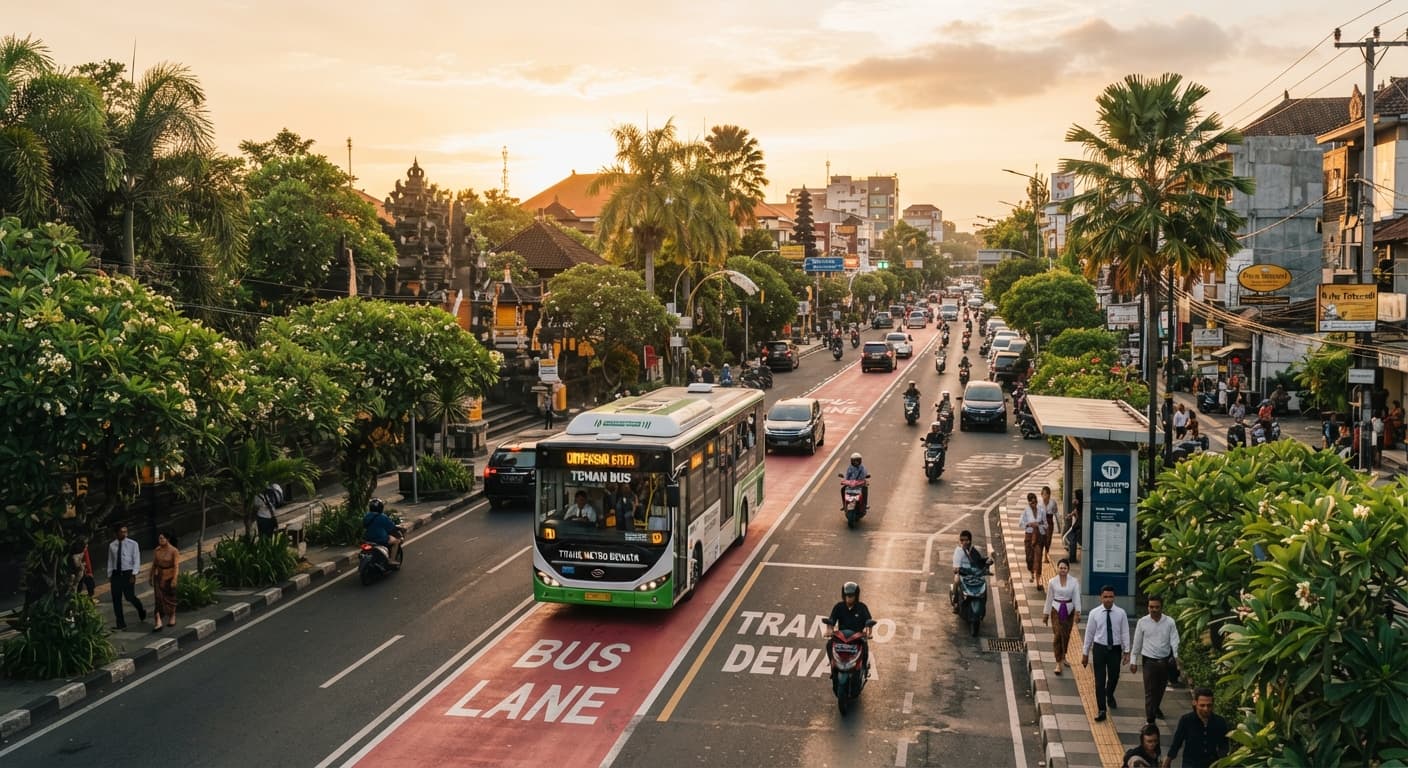
The Bali provincial government is set to invest approximately Rp 500 billion in a new public transport initiative aimed at alleviating the island's persistent traffic congestion. With daily traffic volumes reaching 1.5 million vehicles, the initiative comes as a response to increasing public concern over road safety and environmental sustainability.
Governor Wayan Koster announced the project during a press conference in Denpasar, noting that the new public transport system will include a fleet of electric buses and dedicated bus lanes. This move is expected to reduce the number of private vehicles on the roads by at least 30% within the first year of operation, a significant step towards easing congestion and improving air quality.
According to data from the Bali Transportation Agency, traffic congestion in major tourist areas such as Kuta and Seminyak has increased by 25% over the past three years. The province's reliance on private vehicles, which account for 70% of all trips, has exacerbated this issue. The new initiative is designed to make public transport a more attractive option for both locals and visitors.
In a comparative analysis, neighboring regions like Jakarta and Surabaya have successfully implemented similar public transport systems, resulting in a 40% reduction in traffic congestion. Bali aims to replicate this success by integrating the new system with existing transportation options, such as ride-sharing services and traditional bemo (minibus) routes.
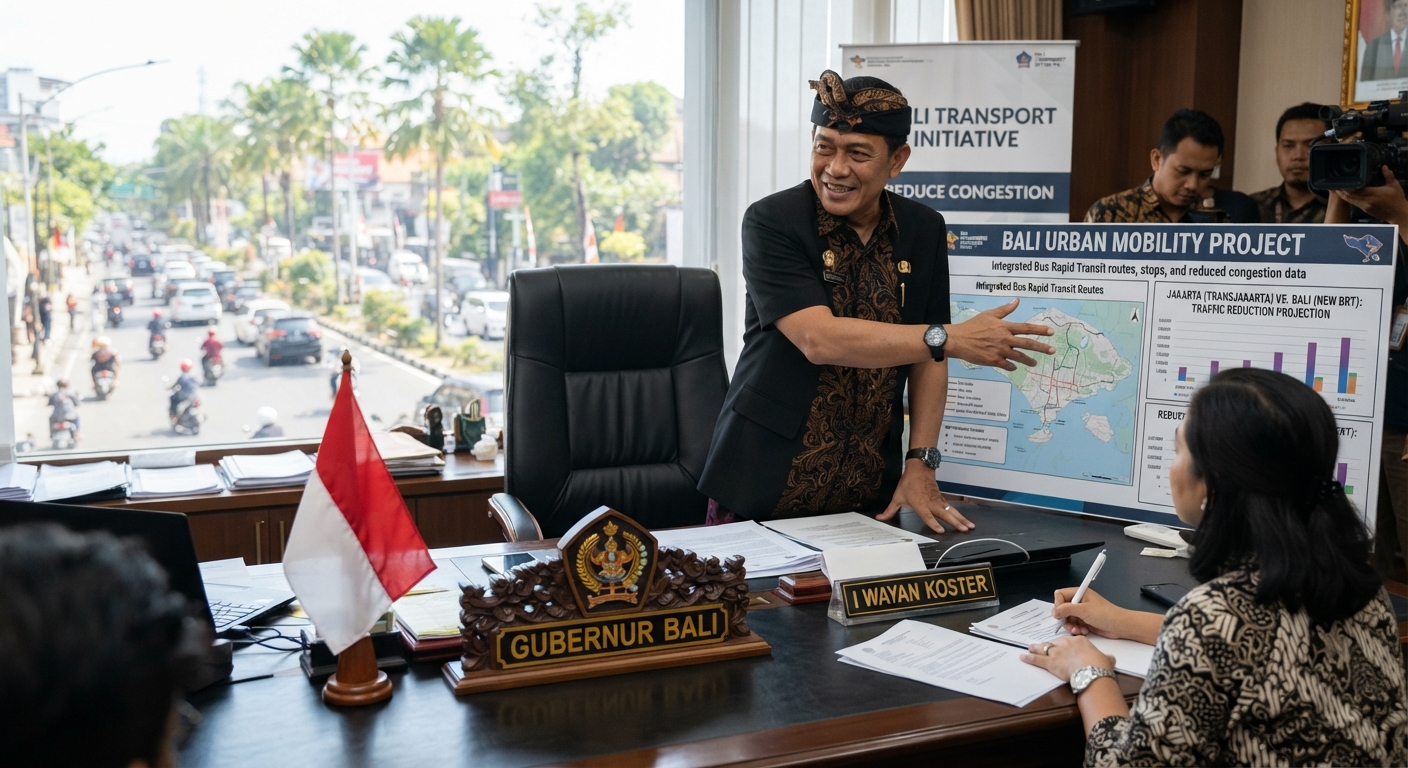
The initiative is not just about improving traffic flow; it also aligns with Bali's commitment to sustainability. The introduction of electric buses is expected to cut greenhouse gas emissions from the transportation sector by approximately 20% over the next five years. This aligns with Indonesia's broader environmental goals as outlined in the National Medium-Term Development Plan (RPJMN) 2020-2024.
Construction of the necessary infrastructure, including bus stops and dedicated lanes, is scheduled to commence in early 2024, with an expected completion date by the end of the year. The government has partnered with various stakeholders, including local businesses and environmental groups, to ensure the initiative meets community needs while minimizing disruption during construction.
Residents have expressed cautious optimism about the initiative. In a recent survey conducted by the Bali Provincial Government, 68% of respondents indicated support for improved public transport options, though concerns about the reliability and coverage of the service remain. Addressing these concerns will be crucial to the program’s success.

The government is also exploring the possibility of integrating smart technology into the public transport system, allowing users to track buses in real-time and plan their journeys more efficiently. This feature could significantly enhance user experience and encourage more people to switch from private vehicles to public transport.
As Bali prepares for the implementation of this new public transport system, it must also navigate the challenges posed by its booming tourism sector. With visitor numbers projected to reach 8 million in 2024, ensuring a seamless transport experience for both residents and tourists will be vital to maintaining Bali’s reputation as a premier travel destination.
In conclusion, the Bali provincial government's public transport initiative represents a proactive approach to addressing the island's traffic woes while promoting sustainability. As the project unfolds, its success will depend on effective planning, community engagement, and the ability to adapt to the evolving needs of Bali's residents and visitors.



Read Also from Other Categories

Emerging Trends in Bali's Adventure Tourism: Thrilling New Experiences Await
Bali's adventure tourism sector is rapidly evolving, offering visitors thrilling experiences that go beyond traditional attractions. From canyoning in Ubud to zip-lining in Gianyar, the island is becoming a hub for adrenaline seekers and nature enthusiasts alike.

Investors Shift Focus to Bali's Innovative Aquaculture Ventures in 2023
Bali's aquaculture sector has seen a remarkable 35% increase in investment this year, attracting both local and international funding. The surge is driven by a growing demand for sustainable seafood and innovative farming techniques.

Canggu Residents Alarmed by Rising Incidents of Coastal Erosion
As Canggu's picturesque coastline faces increasing erosion, local residents and businesses express urgent concerns. The ongoing erosion threatens homes, livelihoods, and the area's renowned tourism appeal.

Community-Led Initiatives Foster Urban Infrastructure Growth in Denpasar
Residents of Denpasar are taking the lead in improving urban infrastructure through collaborative projects. Local government support amplifies these initiatives, aiming to enhance the city's livability amidst rapid urbanization.
Bali's New Career Hub: Empowering Local Job Seekers with Innovative Training
Bali's job seekers are gaining new opportunities through a strategic partnership between local businesses and vocational training centers. This initiative aims to equip the workforce with essential skills to meet the demands of a rapidly changing job market.

Navigating Bali's Evolving Social Landscape: Challenges and Opportunities
As Bali grapples with increasing social disparities, experts urge a reevaluation of community policies. Understanding these shifts is crucial for fostering a more equitable future for all residents.
Comments (0)
No comments yet. Be the first!