Bali's New Green Energy Initiative Set to Transform Local Economy
Aiming for a 30% reduction in carbon emissions by 2030, Bali's provincial government has launched a comprehensive green energy initiative. This policy not only addresses environmental concerns but seeks to create sustainable job opportunities across the island.

In a significant step towards sustainability, Bali's provincial government has unveiled an ambitious green energy initiative with a target of reducing carbon emissions by 30% by the year 2030. This initiative is part of a larger strategy to pivot the island towards renewable energy sources, reducing reliance on fossil fuels and enhancing energy security.
The initiative is backed by a budget allocation of approximately Rp 500 billion, which will be used to fund various projects aimed at increasing the adoption of solar, wind, and bioenergy sources. Governor Wayan Koster emphasized that this policy not only aims to protect the environment but also to stimulate the local economy by creating new job opportunities in the renewable energy sector.
According to the Bali Energy Agency, the island currently relies on non-renewable energy sources for about 85% of its power supply. The new policy aims to shift this balance dramatically by promoting the use of solar panels, wind turbines, and bioenergy production facilities. A report from the Ministry of Energy and Mineral Resources indicated that the implementation of such renewable energy sources could potentially create around 10,000 jobs in the next decade.
In comparison, neighboring regions like Yogyakarta have successfully reduced their carbon emissions by 25% over the last five years, showcasing the potential benefits of aggressive green policies. Bali’s government is keen to replicate this success, learning from the experiences of other provinces that have embraced similar initiatives.
One of the first projects under this initiative is the construction of three solar power plants across the island. The first plant, located in Gianyar, is expected to begin operations by the end of 2024 and will provide energy to over 5,000 households. The energy generated will not only contribute to the local grid but will also be sold back to the national grid, generating additional revenue.
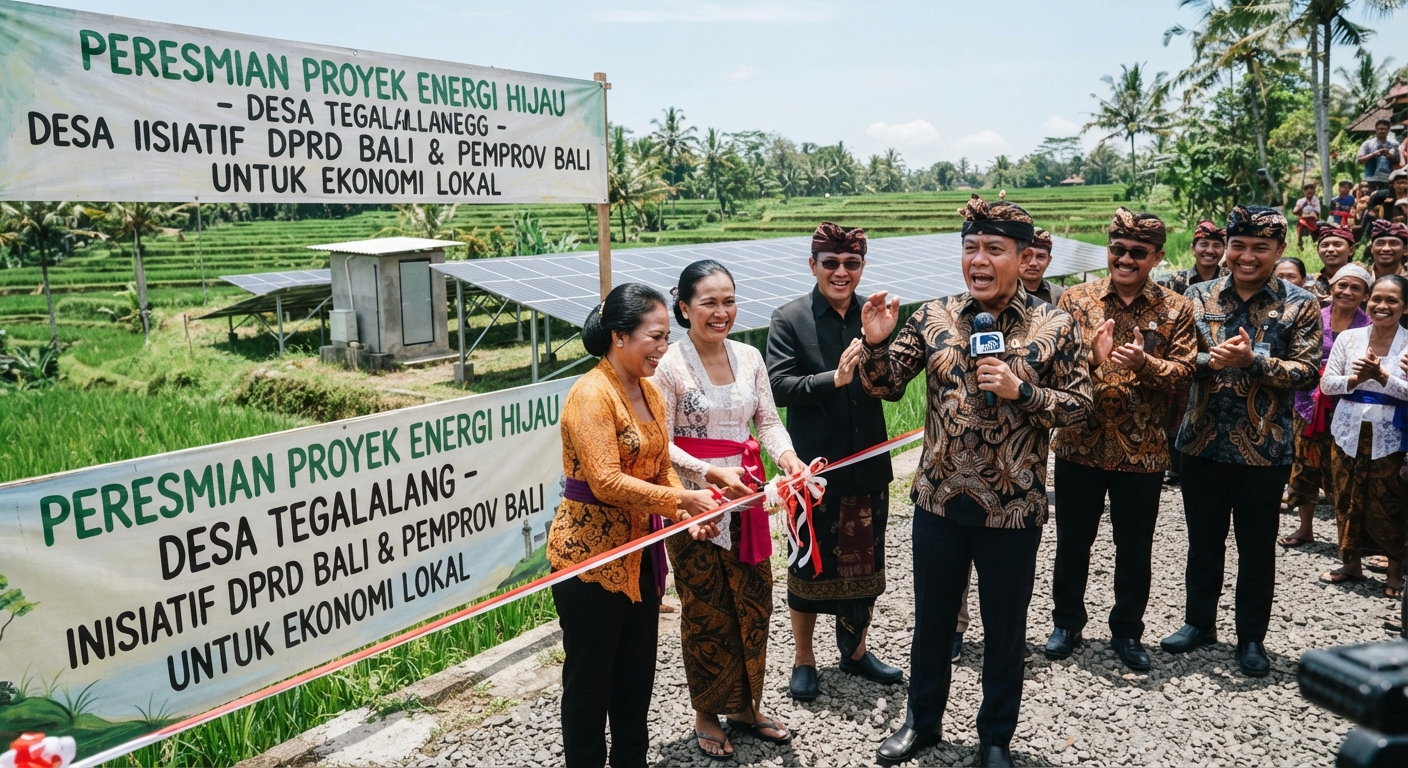
Furthermore, the Bali government plans to incentivize local businesses to transition to renewable energy through tax breaks and subsidies. The provincial government has already begun discussions with local business owners in Canggu and Seminyak to encourage the installation of solar panels and other renewable energy technologies.
As part of its outreach, the government is also organizing workshops aimed at educating the public about the benefits of renewable energy and how individuals can contribute to this initiative. These sessions are expected to help demystify the technology and encourage more residents to adopt sustainable practices.
However, challenges remain. While the initiative has garnered widespread support, critics have voiced concerns about the initial costs associated with transitioning to renewable technologies. Many small businesses fear that the upfront investment required for solar panels and other systems may be too high, despite the long-term savings on energy costs.
The provincial government is addressing these concerns by exploring financing options and partnerships with private investors to provide affordable solutions for small businesses. Additionally, they are looking into creating a revolving fund that would help cover the costs of installation for those who qualify.

In terms of policy framework, the Bali government has committed to revising existing regulations to facilitate the installation of renewable energy systems. This includes streamlining the permitting process for new renewable energy projects and reducing bureaucratic hurdles that may hinder progress.
Environmental activists have hailed the initiative as a necessary step towards a sustainable future for Bali, especially in light of the increasing threats posed by climate change. With tourism being a significant economic driver in Bali, the government’s commitment to sustainability is seen as a crucial factor in maintaining the island’s natural beauty and appeal.
As Bali embarks on this transformative journey, the success of the green energy initiative will depend on the collaboration between the government, local businesses, and the community. Achieving the targeted emission reductions will not only enhance Bali's reputation as a leader in sustainability but can also serve as a model for other regions in Indonesia and beyond.


Read Also from Other Categories

Exploring Bali's Thriving Community-Based Tourism Initiatives
Bali is witnessing a significant rise in community-based tourism initiatives that are enhancing local engagement and visitor experiences. This trend, driven by local artisans and sustainable practices, is reshaping the tourism landscape across the island.

Bali's Insurance Tech Startups Attract Major Investments Amid Global Trends
Bali's insurance technology sector is rapidly gaining traction, with several startups securing significant funding in 2023. Investors are drawn to innovative solutions addressing local and global insurance challenges, signaling a shift in the investment landscape.

Power Outages Plague Bali as Storms Intensify, Local Businesses Struggle
Frequent power outages across Bali have heightened concerns for local businesses as storms wreak havoc. With mounting disruptions, community members are calling for urgent improvements to the island's electrical infrastructure.

Community Efforts Push for Sustainable Development in Bali's Rural Areas
Local initiatives are driving a new wave of sustainable development in Bali's rural regions, focusing on infrastructure, education, and cultural preservation. As communities collaborate, the impact is reshaping their futures positively and sustainably.

Job Market Transformation: Bali's Shift to Remote Work Opportunities
Bali's job market is evolving, with remote work opportunities surging by 30% in the past year. This trend is reshaping employment patterns and attracting a diverse talent pool to the island.

Cafes and Culture: The Role of Community Spaces in Bali's Recovery
As Bali emerges from the pandemic, community cafes are becoming vital hubs for cultural exchange and economic revitalization. These spaces are not only serving coffee but also fostering a sense of belonging and collaboration among locals and visitors alike.
Comments (0)
No comments yet. Be the first!