Bali's New Education Policy Aims to Strengthen Local Curriculum
The Bali provincial government has unveiled a new education policy focused on enhancing local culture and history in school curriculums. This initiative aims to foster a greater sense of identity among students while improving overall educational standards.
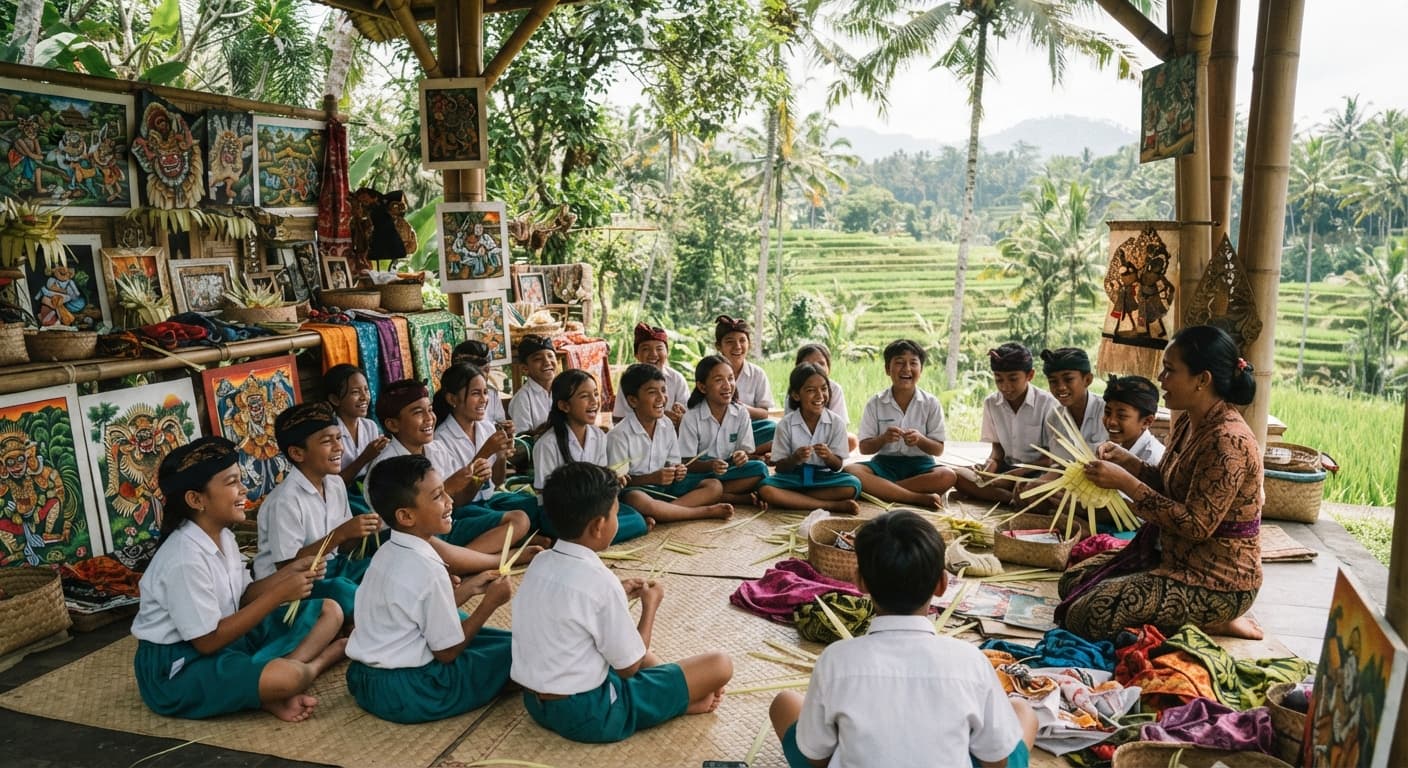
As the sun rises over the lush rice paddies of Ubud, the sound of children’s laughter can be heard spilling from the classrooms of SDN 3 Ubud. Here, students are not just learning math and science; they are also discovering the rich tapestry of Balinese culture through a newly implemented curriculum that emphasizes local history, arts, and traditions. This vibrant scene is emblematic of a broader shift in Bali's educational landscape, spearheaded by the provincial government’s latest initiative.
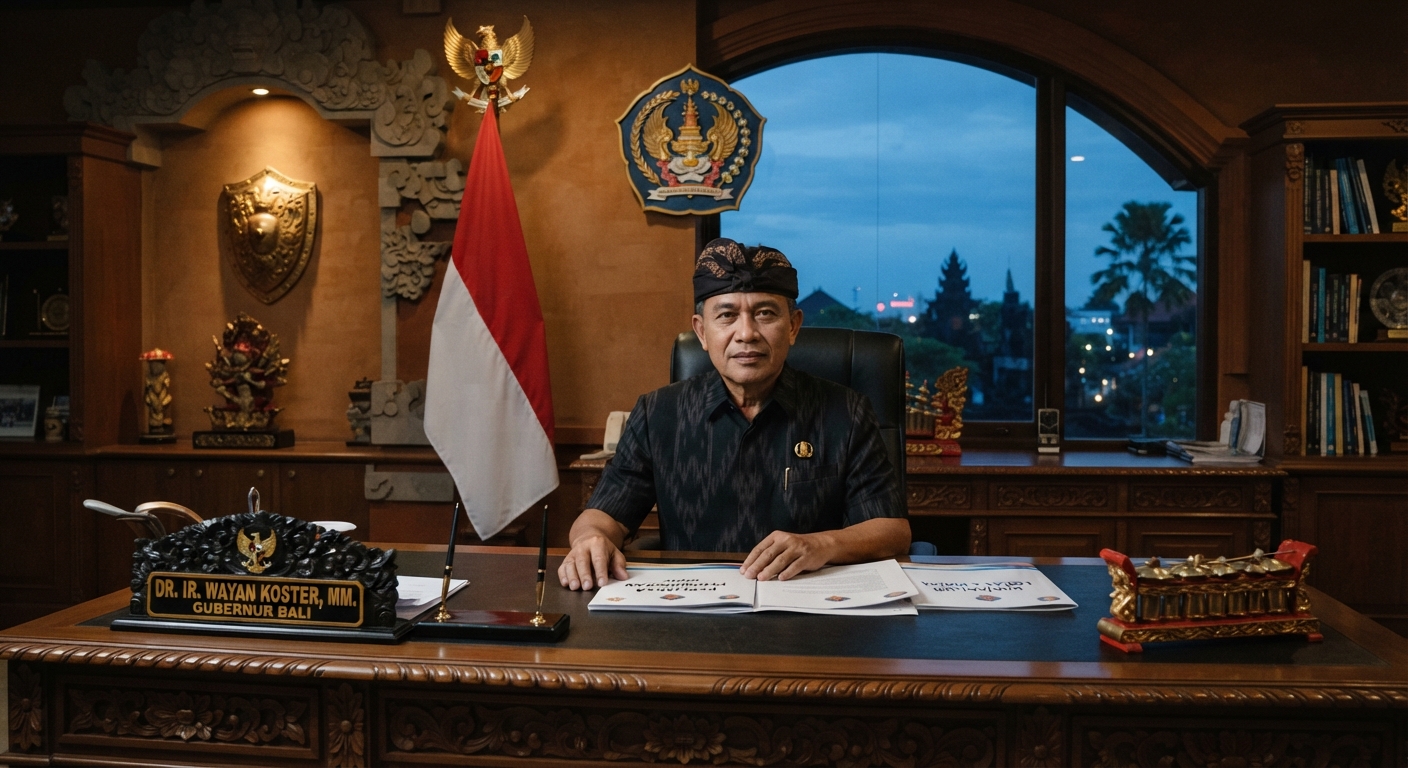
The Bali provincial government, under the leadership of Governor Wayan Koster, recently announced an ambitious policy aimed at overhauling the educational curriculum across the island. This policy, which aims to integrate local culture and history into the classroom, has been met with enthusiasm from educators and parents alike. "It’s crucial for our children to understand their roots and heritage," says Ibu Nyoman, a teacher at the school. "This new approach will not only enrich their education but also instill a sense of pride in being Balinese."
The new curriculum, set to roll out in the upcoming academic year, will include subjects focused on Balinese arts, traditional ceremonies, and local history, alongside the national education standards. The government hopes this will bridge the gap between local traditions and modern educational practices, creating a well-rounded learning environment. Governor Koster emphasized that the integration of local knowledge is essential for fostering a strong sense of identity among the island's youth. "We are not just preparing students for exams; we are preparing them for life in Bali," he stated during a press conference.
In addition to cultural education, the policy aims to address the pressing issue of educational quality. A recent report indicated that many schools in Bali struggle with inadequate resources and outdated teaching methods. The new initiative includes provisions for upgrading school facilities and training teachers in innovative teaching strategies. The government has allocated an initial budget of Rp 100 billion to support these enhancements, a significant investment in the island's future.
One of the key components of the policy is the establishment of partnerships with local cultural institutions, including art schools and historical societies. These collaborations will provide students with practical experiences, such as workshops in traditional dance, music, and crafts. A pilot program is already underway, where high school students from Denpasar are collaborating with local artists to create a mural that reflects Balinese mythology.
However, the policy is not without its challenges. Critics argue that while the integration of local culture is vital, it should not come at the expense of a solid foundation in global subjects such as mathematics and science. Balinese students will need to compete in an increasingly globalized world, and some educators worry that a heavy focus on local curriculum might limit their exposure to broader academic disciplines.
In response to these concerns, the provincial government has assured stakeholders that the new curriculum will be balanced, with local studies complementing core subjects rather than replacing them. The education department is working closely with curriculum experts to ensure that students receive a comprehensive education that prepares them for both local and global challenges.

As the debate continues, the enthusiasm among students and parents remains palpable. In Ubud, children are already expressing excitement about learning their own history and participating in cultural activities. "I can’t wait to dance in the traditional ceremonies we learn about!" beams a young student, her eyes sparkling with anticipation.
Looking ahead, the Bali provincial government is committed to monitoring the implementation of the new policy closely. Regular assessments will be conducted to evaluate the effectiveness of the curriculum changes and ensure they meet the diverse needs of students across the island.
The introduction of this education policy marks a pivotal moment for Bali, as it seeks to strengthen local identity while embracing the challenges of modern education. As students immerse themselves in their cultural heritage, they carry the hopes of their communities forward, blending tradition with innovation in a rapidly changing world.


Read Also from Other Categories
Exploring Bali's Thriving Community-Based Tourism Initiatives
Bali is witnessing a significant rise in community-based tourism initiatives that are enhancing local engagement and visitor experiences. This trend, driven by local artisans and sustainable practices, is reshaping the tourism landscape across the island.

Bali's Insurance Tech Startups Attract Major Investments Amid Global Trends
Bali's insurance technology sector is rapidly gaining traction, with several startups securing significant funding in 2023. Investors are drawn to innovative solutions addressing local and global insurance challenges, signaling a shift in the investment landscape.

Power Outages Plague Bali as Storms Intensify, Local Businesses Struggle
Frequent power outages across Bali have heightened concerns for local businesses as storms wreak havoc. With mounting disruptions, community members are calling for urgent improvements to the island's electrical infrastructure.

Community Efforts Push for Sustainable Development in Bali's Rural Areas
Local initiatives are driving a new wave of sustainable development in Bali's rural regions, focusing on infrastructure, education, and cultural preservation. As communities collaborate, the impact is reshaping their futures positively and sustainably.
Job Market Transformation: Bali's Shift to Remote Work Opportunities
Bali's job market is evolving, with remote work opportunities surging by 30% in the past year. This trend is reshaping employment patterns and attracting a diverse talent pool to the island.
Cafes and Culture: The Role of Community Spaces in Bali's Recovery
As Bali emerges from the pandemic, community cafes are becoming vital hubs for cultural exchange and economic revitalization. These spaces are not only serving coffee but also fostering a sense of belonging and collaboration among locals and visitors alike.
Comments (0)
No comments yet. Be the first!