Bali's New Digital Governance Initiatives Transform Public Services
The Bali provincial government is rolling out innovative digital governance initiatives aimed at enhancing public services and increasing transparency. As part of this transformation, Governor Wayan Koster emphasizes the importance of technology in improving citizen engagement and service efficiency.

On a sunny afternoon in Denpasar, a group of young professionals huddles around a sleek laptop in a co-working space, their fingers flying over keyboards as they engage in a heated discussion about the future of public services in Bali. The buzz of conversation is punctuated by the sound of coffee machines and the faint hum of air conditioning, as the digital-savvy generation contemplates how innovative technologies could reshape their interactions with the government.
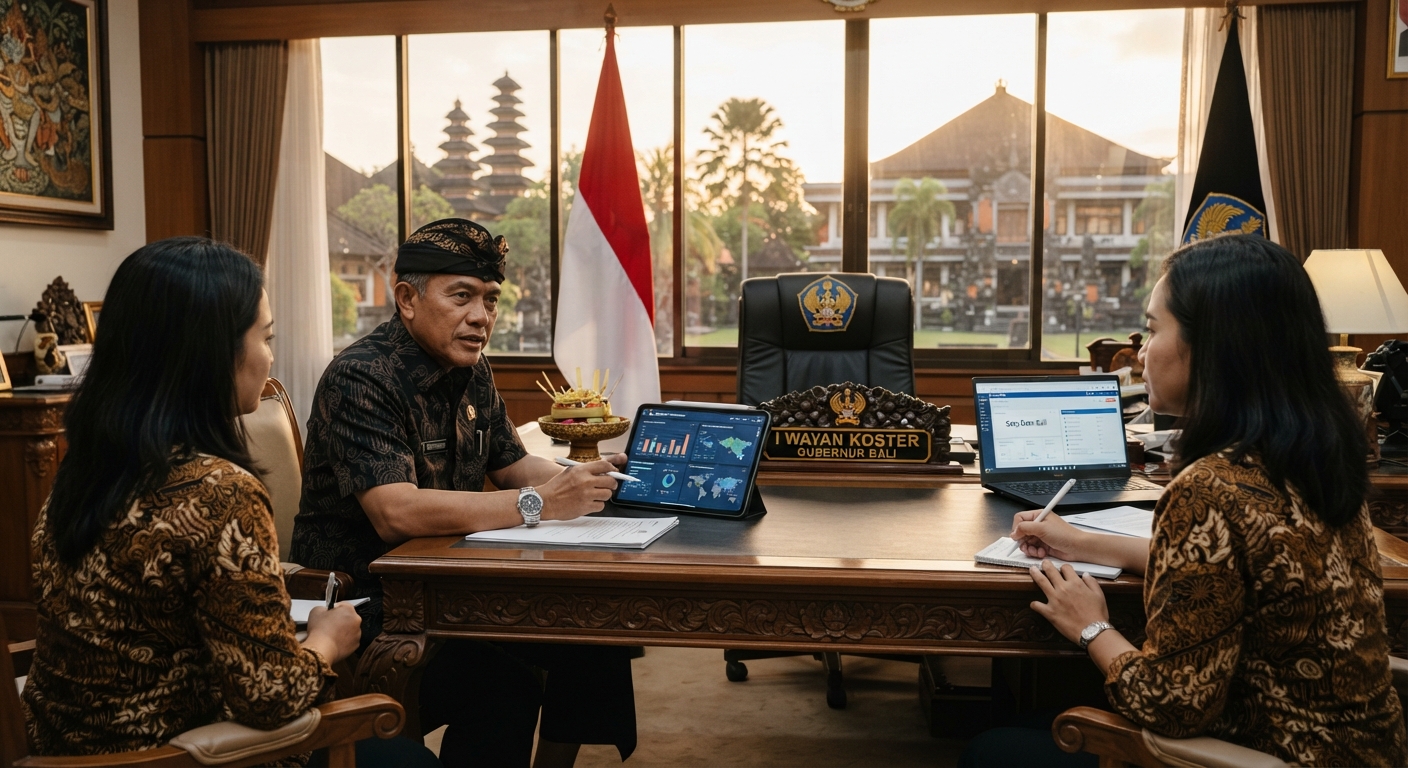
In recent weeks, the Bali provincial government has taken significant steps towards implementing digital governance initiatives. Governor Wayan Koster, during a press conference at the provincial office, shared his vision for a more connected and efficient public service system. "We are committed to using technology to enhance the quality of life for our citizens and streamline government processes," he stated, highlighting the role of digital tools in fostering transparency and accountability.
The new digital initiatives include the launch of a centralized online platform where residents can access various government services, ranging from tax payments to license applications. This move aims to reduce bureaucratic delays and improve overall service delivery. According to the Governor, the platform will not only facilitate easier access to services but also encourage more civic engagement. "When citizens can easily connect with their government, they are more likely to participate in the decision-making process," he explained.
Furthermore, the implementation of an integrated data management system is set to revolutionize how government departments interact with one another. By allowing seamless data sharing, the provincial government seeks to eliminate redundancy and enhance coordination among different agencies. This initiative addresses a longstanding issue of fragmented data systems that have hindered effective governance.
While the transition to digital governance is promising, it is not without challenges. Many residents, particularly those in rural areas, may face difficulties in accessing the necessary technology or internet services. To combat this, the provincial government is working on establishing community internet centers to ensure that all citizens, regardless of their location, can benefit from the new digital services.
Moreover, the government is actively seeking input from the public to refine these initiatives. Focus group discussions and surveys are being conducted to gather feedback on the digital platform and its features. "We want to ensure that the services we provide meet the actual needs of our community," Koster emphasized. This collaborative approach aims to build trust and encourage more citizens to embrace the changes.
As Bali embraces this digital transformation, it also aligns with national efforts to modernize public services across Indonesia. The central government has been advocating for the digitalization of administrative processes, aiming to make governmental functions more responsive and efficient. Bali's initiatives are seen as a model for other provinces, showcasing how technology can bridge the gap between the government and its citizens.

The impact of these changes is expected to be significant. By streamlining service access and fostering transparency, the provincial government hopes to enhance citizen satisfaction and trust. This initiative is particularly crucial as Bali continues to recover from the economic challenges posed by the pandemic, where efficient public services can play a vital role in revitalizing local businesses and encouraging investment.
Looking ahead, Bali's digital governance journey is just beginning. As the provincial government rolls out these initiatives, officials are optimistic about the potential for increased accountability and improved public service delivery. "This is not just about technology; it's about creating a government that works for the people," Governor Koster concluded, reflecting on the broader implications of digital governance in building a more inclusive society.



Read Also from Other Categories

Exploring Bali's Thriving Community-Based Tourism Initiatives
Bali is witnessing a significant rise in community-based tourism initiatives that are enhancing local engagement and visitor experiences. This trend, driven by local artisans and sustainable practices, is reshaping the tourism landscape across the island.

Bali's Insurance Tech Startups Attract Major Investments Amid Global Trends
Bali's insurance technology sector is rapidly gaining traction, with several startups securing significant funding in 2023. Investors are drawn to innovative solutions addressing local and global insurance challenges, signaling a shift in the investment landscape.

Increased Landslide Risks Challenge Bali's Remote Villages
As heavy rains persist in Bali, remote villages face heightened risks of landslides, prompting local authorities to issue safety alerts. Community leaders are calling for urgent measures to enhance infrastructure and emergency response capabilities.

Cultural Education Program Revitalizes Local Traditions in Bali Schools
A new initiative launched by Bali's education department aims to integrate local culture into school curriculums across the island. This program seeks to instill pride in Balinese heritage among the youth, fostering a deeper connection to their roots.

Job Market Transformation: Bali's Shift to Remote Work Opportunities
Bali's job market is evolving, with remote work opportunities surging by 30% in the past year. This trend is reshaping employment patterns and attracting a diverse talent pool to the island.

Cafes and Culture: The Role of Community Spaces in Bali's Recovery
As Bali emerges from the pandemic, community cafes are becoming vital hubs for cultural exchange and economic revitalization. These spaces are not only serving coffee but also fostering a sense of belonging and collaboration among locals and visitors alike.
Comments (0)
No comments yet. Be the first!