Bali's New Agricultural Policies Aim to Boost Local Food Production
In a bid to enhance food security and promote sustainable farming, the Bali provincial government has introduced a series of new agricultural policies. These initiatives focus on empowering local farmers while addressing the challenges posed by climate change and increasing reliance on imported goods.
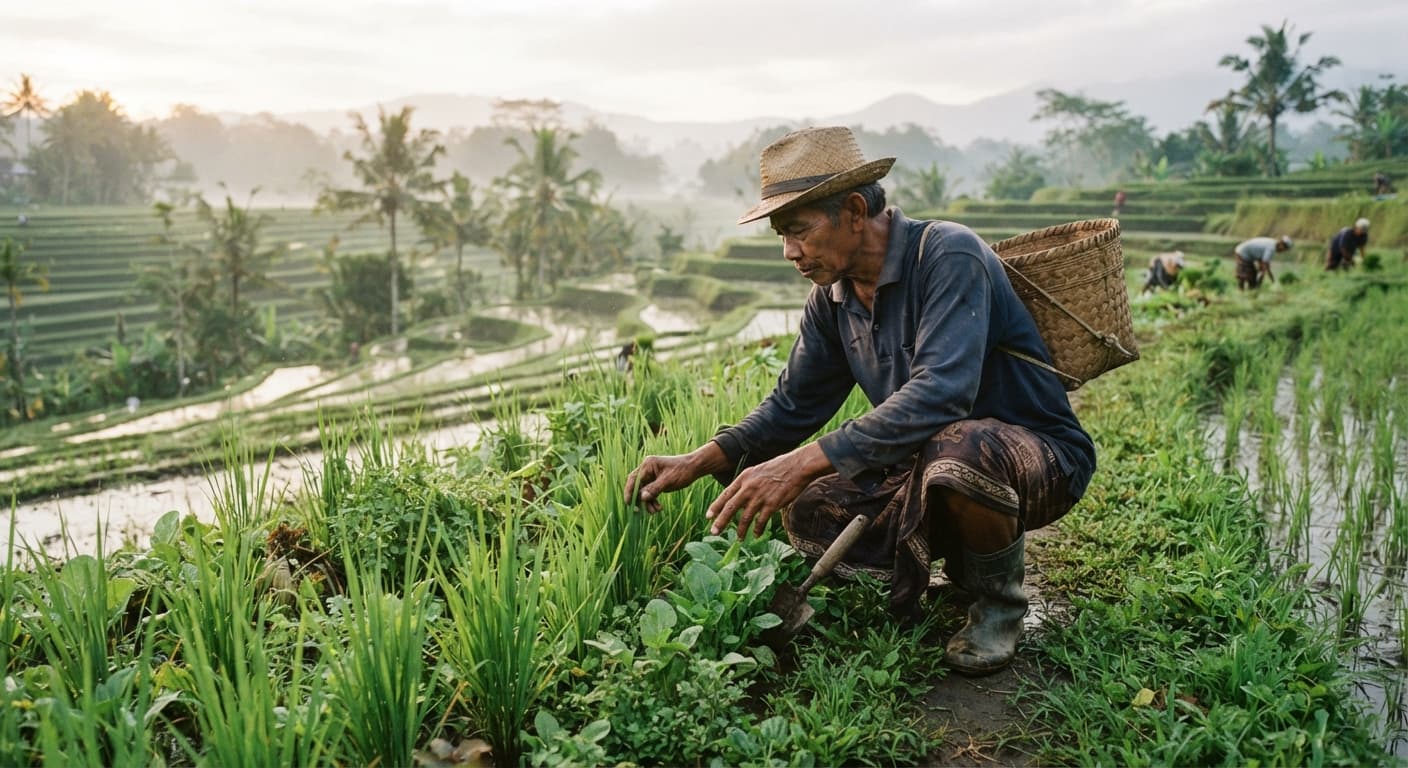
As dawn breaks over the verdant rice paddies of Ubud, the rhythmic sounds of farmers tending to their fields fill the air. One farmer, Nyoman, carefully inspects his crops, a blend of traditional rice and organic vegetables. He reflects on the recent changes in agricultural policies introduced by the Bali provincial government, which he believes could significantly impact his livelihood and the broader community.
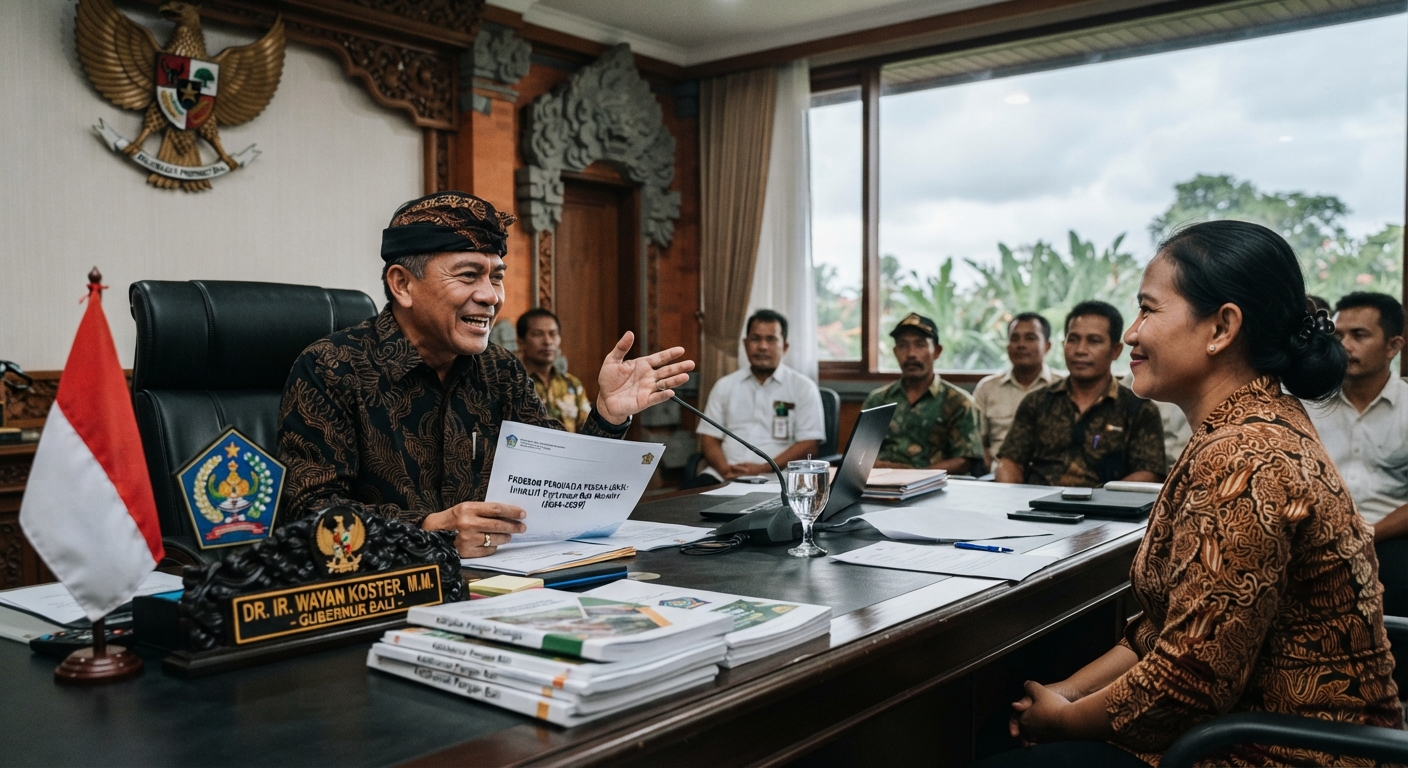
In a recent announcement, Bali's Governor Wayan Koster unveiled a comprehensive set of agricultural reforms aimed at addressing food security and sustainability in the face of growing environmental challenges. The policies are designed to empower local farmers like Nyoman, ensuring they have access to essential resources, modern farming techniques, and financial support.
“We need to focus on self-sufficiency, especially with the increasing unpredictability of climate change,” Governor Koster stated during a press conference held at the provincial office in Renon. “This means investing in our farmers, improving our irrigation systems, and enhancing the quality of our agricultural products.”
The new agricultural framework includes initiatives such as training programs for farmers, subsidies for eco-friendly farming equipment, and the establishment of a cooperative model to facilitate bulk buying of seeds and fertilizers. These measures aim not only to boost productivity but also to foster a sense of community among farmers.
In addition to supporting local farmers, the policies also target the reduction of Bali's dependence on imported food. As tourism rebounds post-pandemic, the demand for local produce has surged, and the government is keen to capitalize on this trend. By promoting local agricultural products in restaurants and hotels, the provincial government hopes to create a sustainable cycle that benefits both producers and consumers.
Critics, however, express concerns about the execution of these policies. Agricultural expert Dr. Made Suwena warns that while the intentions are commendable, the success of these initiatives will hinge on effective implementation and monitoring. “The government needs to ensure that funds are allocated properly and that farmers receive the necessary training and support,” he cautioned.
Moreover, the challenges of climate change loom large over Bali’s agricultural landscape. With increasing instances of drought and unpredictable rainfall, farmers like Nyoman are feeling the pressure. “We’ve seen changes in the weather patterns that affect our crops. We need more support to adapt,” he lamented.
To mitigate these challenges, the government is also investing in research and development programs aimed at creating climate-resilient crop varieties. Collaborations with local universities and agricultural research institutions are expected to yield innovative solutions tailored for Bali's unique environment.

As part of the initiative, a new agricultural technology center is set to open in Gianyar, providing farmers access to modern agricultural practices and tools. This center will serve as a hub for knowledge sharing and innovation, where local farmers can learn about sustainable practices that promote environmental stewardship.
Looking ahead, the provincial government is optimistic that these policies will pave the way for a robust agricultural sector capable of supporting Bali's economy while preserving its rich cultural heritage. Governor Koster emphasizes the importance of community involvement in these initiatives. “We are all in this together. It is essential that we support each other to ensure a sustainable future for Bali,” he said.
As Nyoman returns to his field, he feels a renewed sense of hope. With the government's backing, he believes that local farmers can thrive and contribute to Bali's food security. The balance between tradition and innovation may yet secure a prosperous future for the island and its agricultural communities.


Read Also from Other Categories

Exploring Bali's Thriving Community-Based Tourism Initiatives
Bali is witnessing a significant rise in community-based tourism initiatives that are enhancing local engagement and visitor experiences. This trend, driven by local artisans and sustainable practices, is reshaping the tourism landscape across the island.

Bali's Insurance Tech Startups Attract Major Investments Amid Global Trends
Bali's insurance technology sector is rapidly gaining traction, with several startups securing significant funding in 2023. Investors are drawn to innovative solutions addressing local and global insurance challenges, signaling a shift in the investment landscape.

Power Outages Plague Bali as Storms Intensify, Local Businesses Struggle
Frequent power outages across Bali have heightened concerns for local businesses as storms wreak havoc. With mounting disruptions, community members are calling for urgent improvements to the island's electrical infrastructure.

Community Efforts Push for Sustainable Development in Bali's Rural Areas
Local initiatives are driving a new wave of sustainable development in Bali's rural regions, focusing on infrastructure, education, and cultural preservation. As communities collaborate, the impact is reshaping their futures positively and sustainably.

Job Market Transformation: Bali's Shift to Remote Work Opportunities
Bali's job market is evolving, with remote work opportunities surging by 30% in the past year. This trend is reshaping employment patterns and attracting a diverse talent pool to the island.

Cafes and Culture: The Role of Community Spaces in Bali's Recovery
As Bali emerges from the pandemic, community cafes are becoming vital hubs for cultural exchange and economic revitalization. These spaces are not only serving coffee but also fostering a sense of belonging and collaboration among locals and visitors alike.
Comments (0)
No comments yet. Be the first!