Bali's Mount Agung Erupts: Local Communities on High Alert
Mount Agung's recent volcanic activity has raised safety concerns across Bali, prompting local authorities to issue warnings to residents and tourists alike. As ash clouds disrupt daily life, communities brace for possible evacuations and adapt to changing conditions.
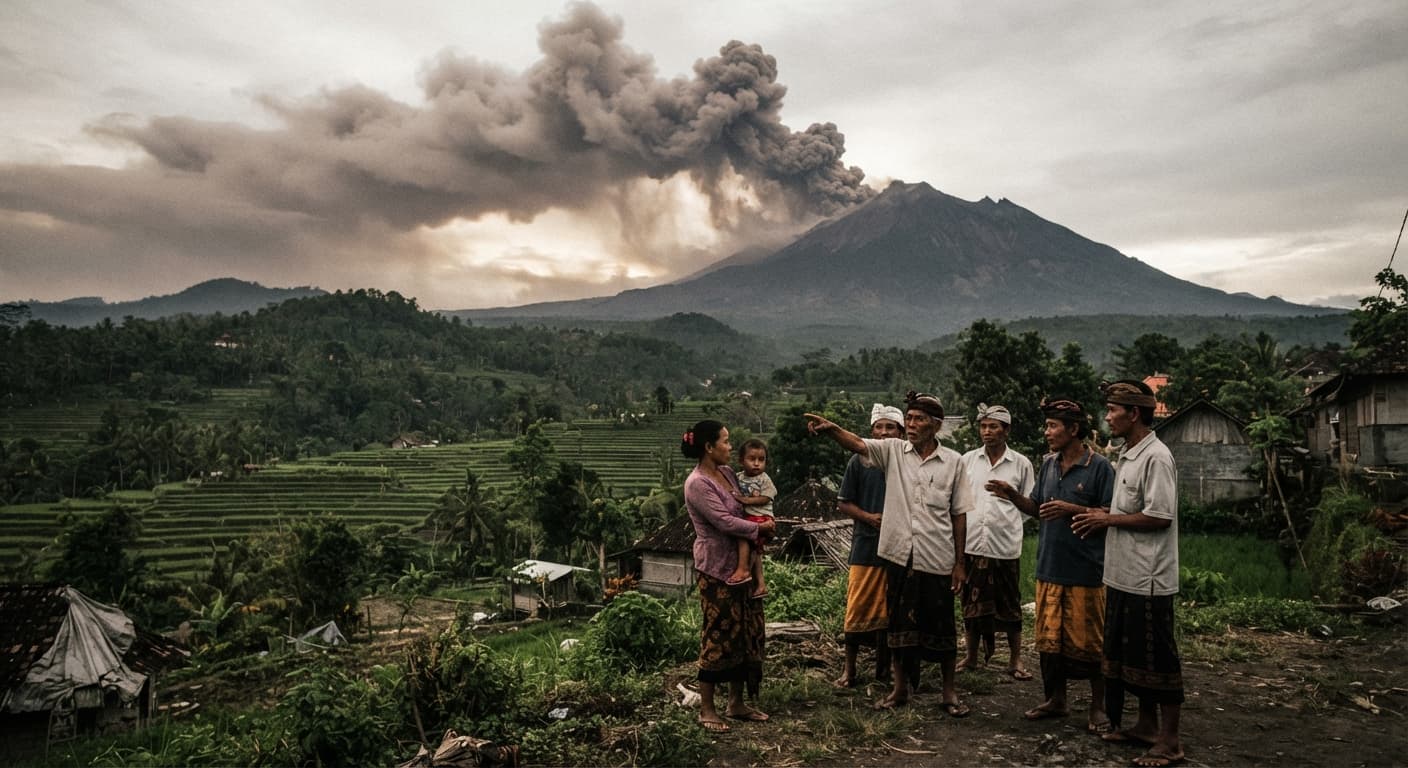
As the sun began to rise over the lush landscapes of Karangasem, the rhythmic sound of roosters echoed through the quiet morning air, accompanied by the distant rumble of Mount Agung. For the residents of this region, the iconic volcano is both a source of beauty and a constant reminder of nature's unpredictable power. On this particular day, however, the ground beneath their feet felt different; it trembled with a newfound intensity that sent waves of anxiety through the local community.
The Indonesian Center for Volcanology and Geological Hazard Mitigation (PVMBG) had raised the alert status of Mount Agung to Level III, indicating a significant increase in volcanic activity. This announcement triggered safety protocols across Bali, with authorities urging locals and tourists to remain vigilant. "We are closely monitoring the situation, and we advise residents to stay alert and follow safety guidelines," stated a PVMBG official during a press briefing.
As news of the volcano's unrest spread, many tourists in nearby Ubud and Seminyak began to reconsider their travel plans. The vibrant streets that once buzzed with visitors now displayed a palpable tension. Local businesses, heavily reliant on tourism, braced for impact. "We depend on tourists, but their safety is our priority. If they need to leave, we understand," said Wayan, a shop owner in Ubud, her voice tinged with both concern and resilience.
Emergency response teams have been mobilized to ensure the safety of residents in the danger zone, defined as a 6-7 kilometer radius around the volcano. Evacuation plans have been put in place, and local shelters are being prepared. Authorities have also begun distributing masks and educational materials to help residents protect themselves from ash fall, which can lead to respiratory issues.
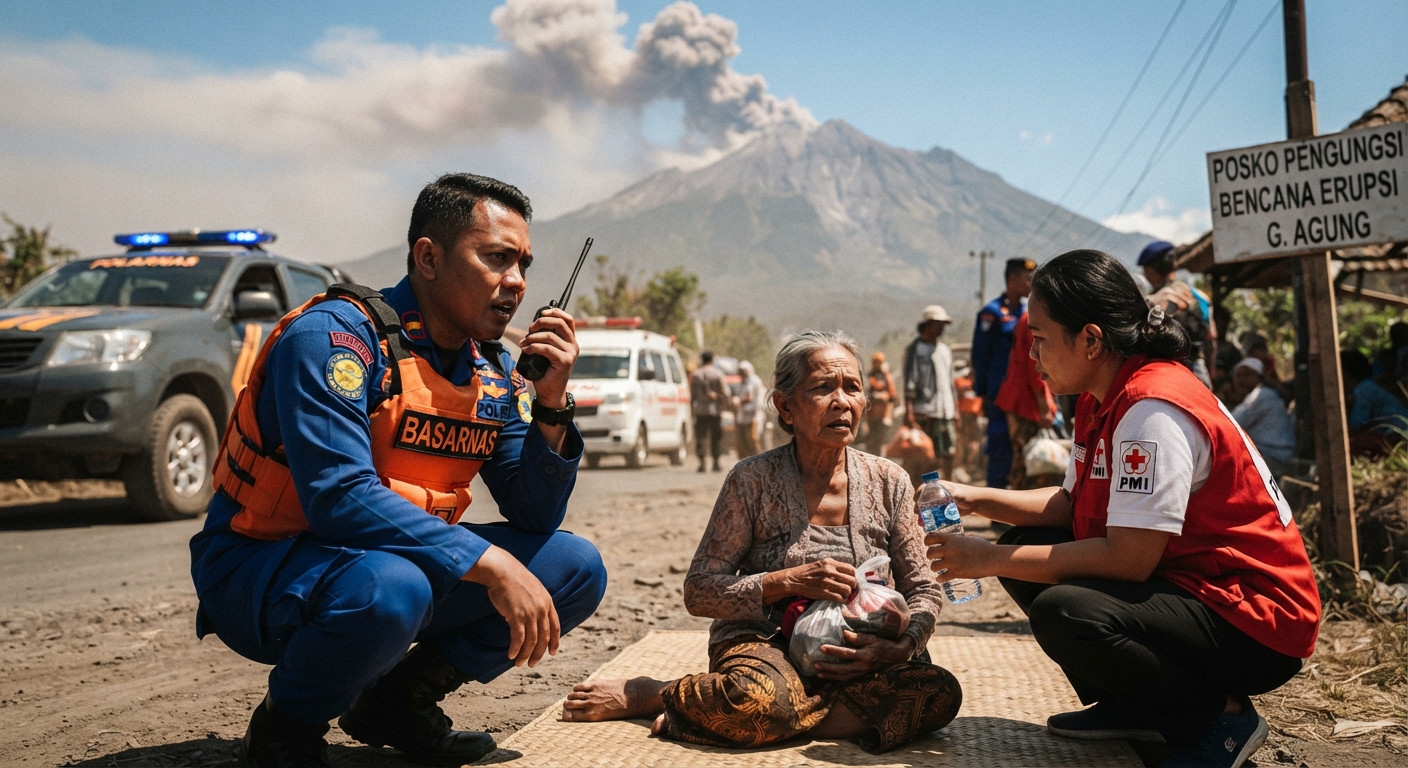
In nearby villages, the atmosphere is heavy with uncertainty. Many residents have experienced previous eruptions, with the most significant event occurring in 2017, leading to mass evacuations and significant disruption. This time, the fear of the unknown looms large. “We know what to expect, but we also fear what we can’t predict,” shared Ketut, a farmer from a village close to the volcano. “We are prepared, but we hope it won’t come to that.”
The local government has also stepped up communication efforts, utilizing social media platforms and community meetings to keep everyone informed. In a recent update, Bali's Governor, Wayan Koster, emphasized the importance of preparedness and cooperation among residents. “Together, we must remain calm and act wisely. Our priority is the safety of our people and visitors,” he stated.
As the days unfold, the situation remains fluid. Tourists have begun to adjust their itineraries, with many opting for activities further away from the volcano. Travel agencies are reporting a surge in inquiries about alternative destinations, as travelers seek to ensure their safety while still enjoying the beauty of Bali. “We are working hard to reassure our clients. Bali is still a wonderful place to visit, just with some modifications for safety,” noted Putu, a local travel agent.
Despite the challenges posed by Mount Agung's activity, the spirit of the Balinese people shines through. Community members are coming together to support one another, sharing resources and information. In the evenings, villagers gather to discuss their fears and strategies, forging bonds that strengthen their resilience.
Looking ahead, the situation serves as a reminder of the delicate balance between nature and human life. While Mount Agung remains a majestic symbol of Bali, it also stands as a testament to the power of nature. As the authorities continue to monitor the volcano, residents and visitors alike will need to navigate the challenges it presents, all while holding onto the hope that calm will return.
For now, the people of Bali remain watchful, ready to act should the need arise. The days ahead may be uncertain, but one thing is clear: the bond between the island's communities and their natural environment remains unbreakable.



Read Also from Other Categories

Exploring Bali's Thriving Community-Based Tourism Initiatives
Bali is witnessing a significant rise in community-based tourism initiatives that are enhancing local engagement and visitor experiences. This trend, driven by local artisans and sustainable practices, is reshaping the tourism landscape across the island.
Jakarta's Expansion Plans Prompt Bali's Government to Rethink Land Policies
As Jakarta prepares for significant urban expansion, Bali's provincial government faces pressure to update its land use regulations. This shift aims to balance development with preservation amidst concerns from local communities.

Bali's Insurance Tech Startups Attract Major Investments Amid Global Trends
Bali's insurance technology sector is rapidly gaining traction, with several startups securing significant funding in 2023. Investors are drawn to innovative solutions addressing local and global insurance challenges, signaling a shift in the investment landscape.

Community Efforts Push for Sustainable Development in Bali's Rural Areas
Local initiatives are driving a new wave of sustainable development in Bali's rural regions, focusing on infrastructure, education, and cultural preservation. As communities collaborate, the impact is reshaping their futures positively and sustainably.

Job Market Transformation: Bali's Shift to Remote Work Opportunities
Bali's job market is evolving, with remote work opportunities surging by 30% in the past year. This trend is reshaping employment patterns and attracting a diverse talent pool to the island.

Cafes and Culture: The Role of Community Spaces in Bali's Recovery
As Bali emerges from the pandemic, community cafes are becoming vital hubs for cultural exchange and economic revitalization. These spaces are not only serving coffee but also fostering a sense of belonging and collaboration among locals and visitors alike.
Comments (0)
No comments yet. Be the first!