Bali's Innovative Public Transport Solutions Address Traffic Woes
Bali is implementing new public transport initiatives to alleviate chronic traffic congestion. These efforts aim to enhance mobility and reduce environmental impact across the island.
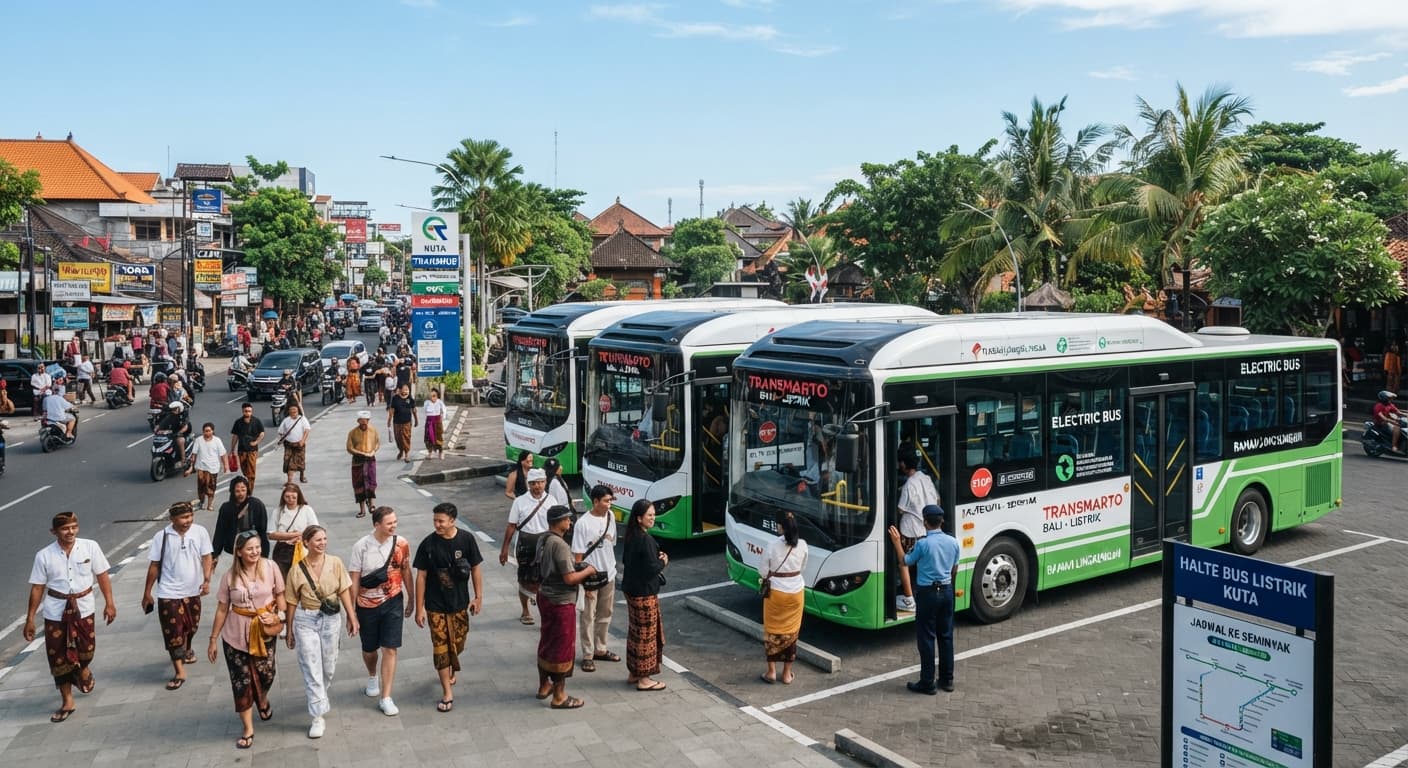
Bali is taking significant steps to address its notorious traffic congestion through innovative public transport solutions. As the island continues to attract millions of tourists annually, local authorities recognize the urgent need for efficient transport systems that cater to both residents and visitors.
The Bali Government, in collaboration with the provincial transportation office, recently unveiled plans to enhance public transport options, including the introduction of electric buses. These eco-friendly vehicles are set to operate on key routes around popular tourist destinations, such as Kuta, Seminyak, and Ubud, starting next year. The initiative aims to reduce the reliance on private vehicles, which has been a major contributor to traffic jams in urban areas.
Governor Wayan Koster emphasized the importance of sustainable development during the announcement. "Our goal is not only to provide better transportation for our people but also to protect Bali's natural beauty and reduce pollution," Koster stated. The electric buses are expected to operate on a fixed schedule, making them a reliable option for travelers and locals alike.
In addition to electric buses, the government is exploring the implementation of dedicated bike lanes in major urban centers. This initiative is designed to encourage cycling as a viable mode of transport while promoting a healthier and more environmentally friendly lifestyle. Pilot bike lane projects are already underway in Denpasar and Canggu, with plans to expand further based on community feedback.
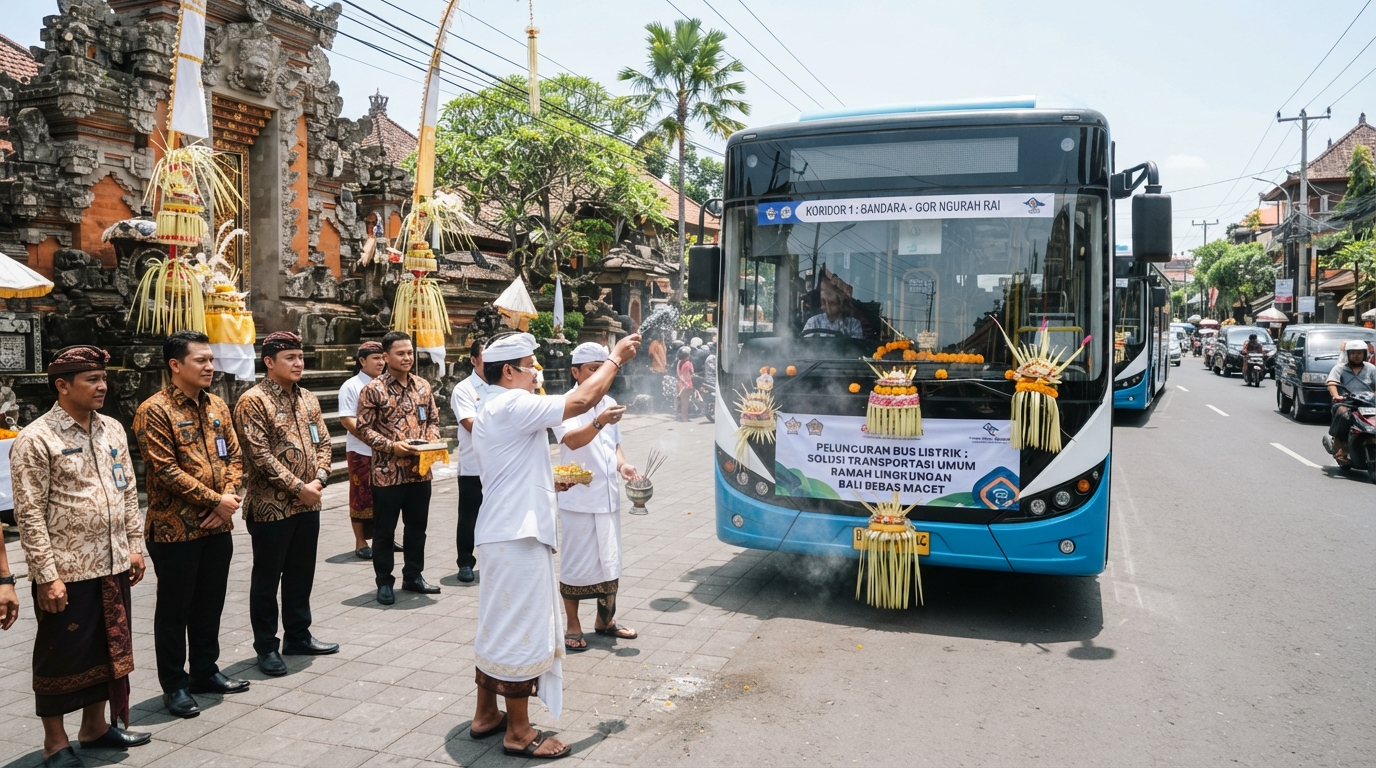
The local government is also investing in upgrading existing infrastructure to support these initiatives. Road repairs, traffic signals, and signage improvements are part of a broader strategy to create a more user-friendly environment for public transport users. The initiative is expected to significantly improve traffic flow and reduce travel times across the island.
Public transport advocates have welcomed these developments. They argue that improving public transport options is a critical step towards creating a more sustainable and accessible Bali. Local transportation activist, Made Wijaya, noted, "These changes will not only ease traffic but also enhance the overall experience for tourists and residents, making the island more enjoyable for everyone."
The timing of these initiatives is crucial as Bali prepares for a potential influx of visitors in the coming years. With tourism rebounding post-pandemic, the provincial government is keen to demonstrate that it can manage the challenges of increased visitor numbers without compromising quality of life for its residents.

Moreover, the initiatives align with Bali's commitment to achieving sustainable development goals. By investing in public transport systems, the province aims to reduce greenhouse gas emissions and promote cleaner air quality, which has become a priority in light of global climate change concerns.
As these projects unfold, community engagement will be vital. The government has committed to holding public forums to gather input from local residents, ensuring that the transport solutions developed meet the needs of all users. This approach not only fosters a sense of ownership among residents but also builds trust between the government and the community.
In summary, Bali's innovative public transport initiatives mark a significant shift towards sustainable mobility solutions. By prioritizing electric buses and cycling infrastructure, the island aims to tackle its traffic woes while enhancing the overall quality of life for its residents and visitors alike. With continued investment and community involvement, Bali is poised to set an example for other regions facing similar challenges.



Read Also from Other Categories

Exploring Bali's Thriving Community-Based Tourism Initiatives
Bali is witnessing a significant rise in community-based tourism initiatives that are enhancing local engagement and visitor experiences. This trend, driven by local artisans and sustainable practices, is reshaping the tourism landscape across the island.

Jakarta's Expansion Plans Prompt Bali's Government to Rethink Land Policies
As Jakarta prepares for significant urban expansion, Bali's provincial government faces pressure to update its land use regulations. This shift aims to balance development with preservation amidst concerns from local communities.

Bali's Insurance Tech Startups Attract Major Investments Amid Global Trends
Bali's insurance technology sector is rapidly gaining traction, with several startups securing significant funding in 2023. Investors are drawn to innovative solutions addressing local and global insurance challenges, signaling a shift in the investment landscape.

Power Outages Plague Bali as Storms Intensify, Local Businesses Struggle
Frequent power outages across Bali have heightened concerns for local businesses as storms wreak havoc. With mounting disruptions, community members are calling for urgent improvements to the island's electrical infrastructure.

Job Market Transformation: Bali's Shift to Remote Work Opportunities
Bali's job market is evolving, with remote work opportunities surging by 30% in the past year. This trend is reshaping employment patterns and attracting a diverse talent pool to the island.

Cafes and Culture: The Role of Community Spaces in Bali's Recovery
As Bali emerges from the pandemic, community cafes are becoming vital hubs for cultural exchange and economic revitalization. These spaces are not only serving coffee but also fostering a sense of belonging and collaboration among locals and visitors alike.
Comments (0)
No comments yet. Be the first!