Bali's Hospitality Sector Embraces New Training Programs for Workforce Growth
Bali's hospitality industry is expanding rapidly, prompting an increase in training programs aimed at enhancing skills among workers. These initiatives are crucial for meeting the growing demand for qualified personnel in hotels and restaurants across the island.
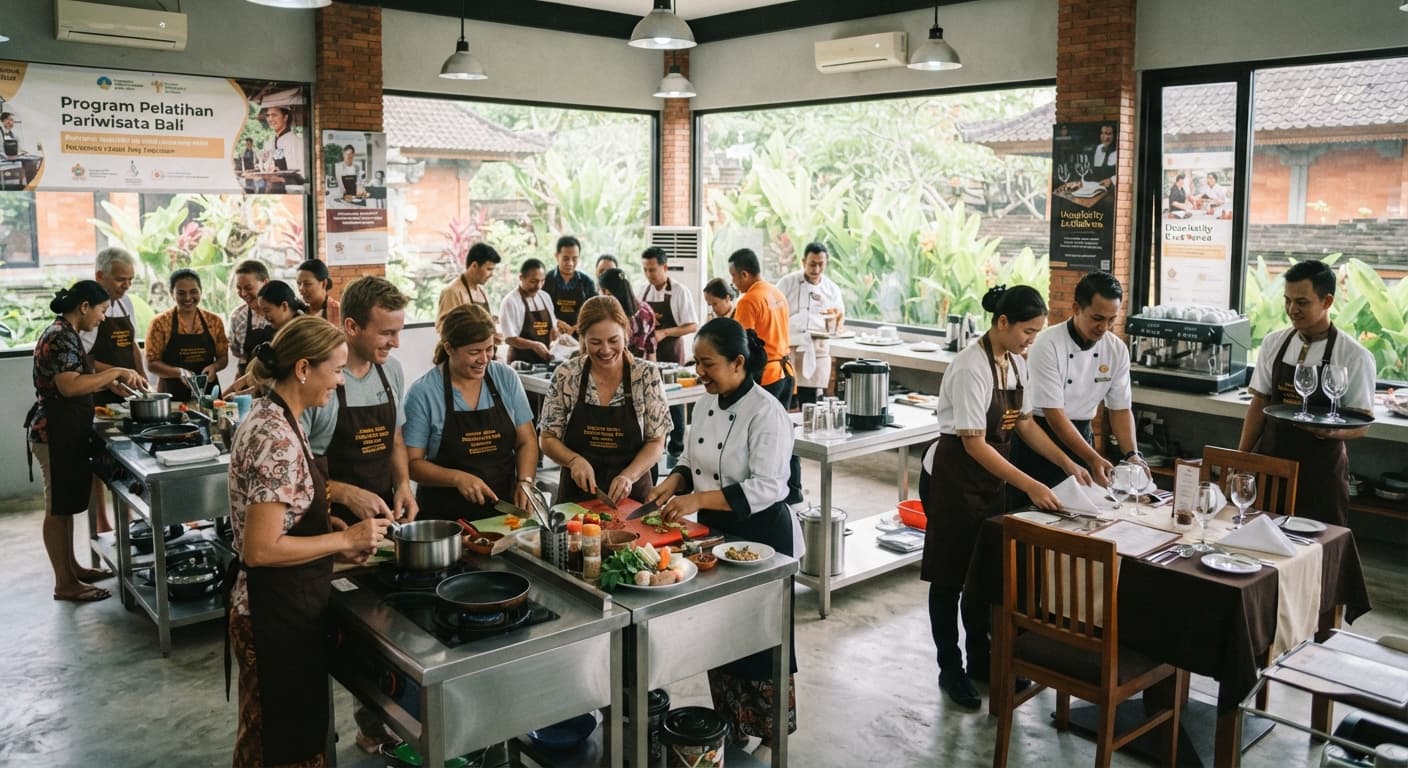
Bali's hospitality sector is experiencing a significant transformation, driven by a surge in tourism and the need for skilled workers. As the island continues to attract millions of visitors annually, the demand for qualified personnel in hotels, restaurants, and related services is growing. In response, various organizations and institutions are implementing training programs designed to equip individuals with the necessary skills to thrive in the industry.
Recent statistics indicate that Bali welcomed over 6 million tourists in 2023, a remarkable recovery from the pandemic's impact. This influx has spurred a competitive job market, with hotels and restaurants actively seeking well-trained staff. According to the Bali Tourism Board, the demand for hospitality professionals is projected to increase by 20% over the next two years.
In an effort to bridge the skills gap, several training initiatives have been launched. The Bali Manpower Office, for instance, has partnered with local universities and vocational schools to offer specialized courses in hospitality management, culinary arts, and customer service. These programs are aimed at both new entrants to the workforce and those looking to upskill.
One notable program is the "Bali Hospitality Training Academy," which provides hands-on training in various aspects of the hospitality industry. Participants learn essential skills such as food preparation, service excellence, and hotel management. The academy has already trained over 1,000 individuals since its inception in 2022, with many graduates securing employment in prestigious establishments across the island.
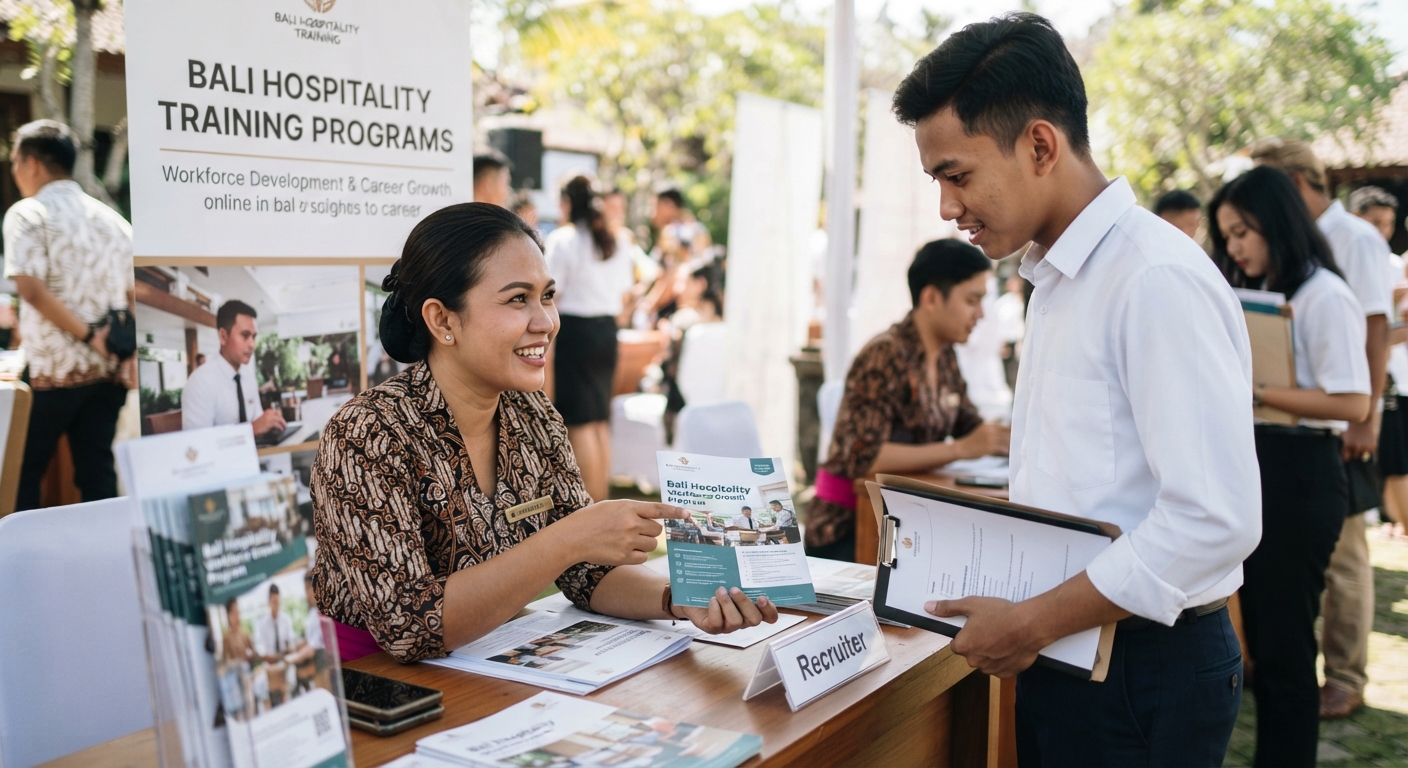
Additionally, local businesses are stepping up to support workforce development. Leading hotels and restaurants are collaborating with training providers to create internship opportunities for students and recent graduates. This initiative not only helps students gain valuable experience but also allows employers to identify potential talent for future employment.
Moreover, the government's focus on improving vocational education is crucial to sustaining Bali's hospitality sector. The Ministry of Tourism has allocated funds to enhance training facilities and develop new curricula that reflect the industry's evolving needs. This commitment is expected to yield long-term benefits for both the workforce and the tourism economy.
Industry experts emphasize the importance of continuous learning in the hospitality sector. "As the industry evolves, so must the skills of the workforce," said a spokesperson from the Bali Hotel Association. "Training programs are vital to ensure that our employees can provide the highest level of service to our guests, which is essential for maintaining Bali's reputation as a premier tourist destination."

In addition to formal training, online courses and workshops are becoming increasingly popular among hospitality professionals looking to enhance their skills. Many organizations are offering flexible learning options that allow individuals to balance their work and study commitments. This trend is particularly appealing to those already employed in the industry who seek advancement opportunities.
As Bali's economy continues to recover, the collaboration between businesses, educational institutions, and government agencies will be essential in ensuring that the hospitality workforce is well-prepared to meet the demands of a growing tourism sector. The ongoing investment in training and development is expected to contribute significantly to the island's economic resilience and sustainability.
The future of Bali's hospitality industry looks promising, with a robust pipeline of talent entering the workforce. As training programs expand and evolve, they will play a crucial role in shaping the next generation of hospitality professionals, ensuring that Bali remains a top destination for travelers worldwide.

Read Also from Other Categories

Exploring Bali's Thriving Community-Based Tourism Initiatives
Bali is witnessing a significant rise in community-based tourism initiatives that are enhancing local engagement and visitor experiences. This trend, driven by local artisans and sustainable practices, is reshaping the tourism landscape across the island.

Jakarta's Expansion Plans Prompt Bali's Government to Rethink Land Policies
As Jakarta prepares for significant urban expansion, Bali's provincial government faces pressure to update its land use regulations. This shift aims to balance development with preservation amidst concerns from local communities.

Bali's Insurance Tech Startups Attract Major Investments Amid Global Trends
Bali's insurance technology sector is rapidly gaining traction, with several startups securing significant funding in 2023. Investors are drawn to innovative solutions addressing local and global insurance challenges, signaling a shift in the investment landscape.

Power Outages Plague Bali as Storms Intensify, Local Businesses Struggle
Frequent power outages across Bali have heightened concerns for local businesses as storms wreak havoc. With mounting disruptions, community members are calling for urgent improvements to the island's electrical infrastructure.

Community Efforts Push for Sustainable Development in Bali's Rural Areas
Local initiatives are driving a new wave of sustainable development in Bali's rural regions, focusing on infrastructure, education, and cultural preservation. As communities collaborate, the impact is reshaping their futures positively and sustainably.

Cafes and Culture: The Role of Community Spaces in Bali's Recovery
As Bali emerges from the pandemic, community cafes are becoming vital hubs for cultural exchange and economic revitalization. These spaces are not only serving coffee but also fostering a sense of belonging and collaboration among locals and visitors alike.
Comments (0)
No comments yet. Be the first!