Bali's Historic North Transforms Plastic Waste into Civic Pride with Signage Initiative
In a groundbreaking initiative, communities in Bali's historic north are turning plastic waste into vibrant street signs, fostering civic pride and environmental awareness.
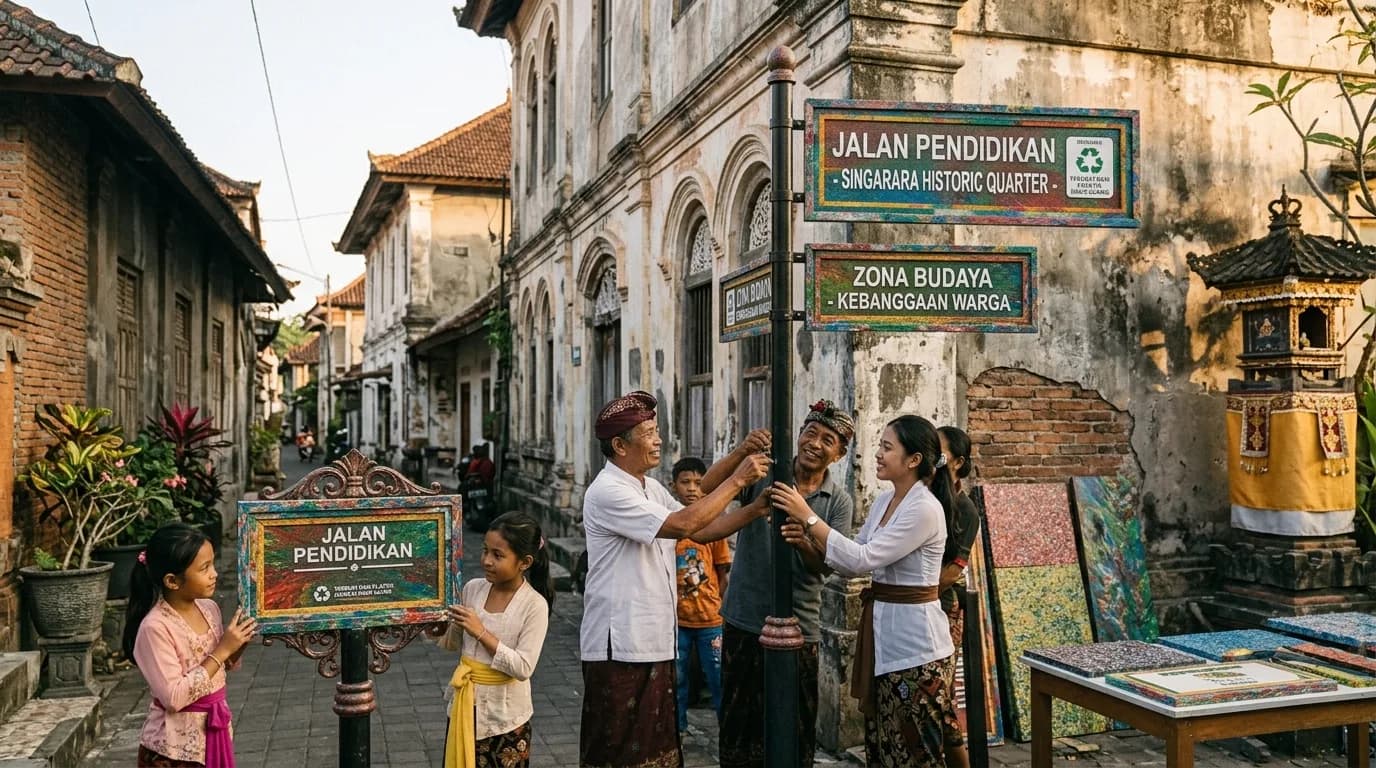
In an inspiring movement that not only addresses environmental issues but also enhances local identity, communities in Bali's historic north have embarked on a street sign revolution that transforms discarded plastic waste into colorful and functional street signage. This innovative project, driven by local residents and environmental activists, is reshaping public spaces while fostering a sense of community pride and environmental responsibility.
The initiative, which began in early 2026, aims to combat the alarming levels of plastic waste that have plagued Bali, an island renowned for its natural beauty yet burdened by pollution. According to a recent report, Bali produces nearly 1,000 tons of waste per day, a significant portion of which is plastic. The project’s founders saw an opportunity not only to beautify the area but also to engage the community in sustainable practices and raise awareness about the importance of recycling.
“This project is about more than just signs; it’s about creating a dialogue within our community regarding waste management and environmental sustainability,” said I Ketut Suardika, a local environmentalist involved in the initiative. The signs are crafted from recycled plastic collected from local beaches and neighborhoods, making them a tangible representation of the community's commitment to a cleaner environment.
The first phase of the project involved workshops where residents learned how to clean, process, and mold plastic waste into durable street signs. These workshops not only provided practical skills but also strengthened community bonds as residents worked together towards a common goal. “When we see our efforts materialize into something as meaningful as a street sign, it fills us with pride,” Suardika added, reflecting the sentiments of many participants.
As of August 2026, over 50 vibrant street signs have been installed in several villages across the region, each depicting the rich cultural heritage of Bali while also carrying messages about environmental conservation. The signs not only serve as navigational tools but also as a reminder of the community's collective effort to reduce plastic waste. Local artist Wayan Dewa, who contributed designs for the signs, emphasized the importance of celebrating Balinese culture through this medium. “Each sign tells a story; it connects our past with our future,” he stated.
The project has garnered attention beyond the local community, attracting interest from environmental organizations and tourists alike. Several NGOs are exploring partnerships to expand the initiative, potentially introducing similar programs in other regions of Indonesia and beyond. “We believe this model can be replicated in other communities facing similar waste challenges,” said Rina Tanjung, a representative from an environmental NGO supporting the project.
In addition to fostering civic pride, the initiative has sparked discussions about broader systemic issues regarding waste management in Bali. Despite the local government's efforts to tackle waste, many residents feel that more needs to be done. “We want to see policies that support recycling initiatives, not just in our village but across Bali,” urged Suardika. The grassroots nature of this project exemplifies how local communities can lead the charge in environmental stewardship, often filling gaps left by governmental policies.
The street sign revolution in Bali's historic north is a compelling illustration of how local communities can turn environmental challenges into opportunities for education, engagement, and pride. As the signs continue to pop up across the region, they stand not only as markers of direction but also as symbols of hope and resilience in the face of a plastic crisis.
Looking ahead, the community plans to implement educational programs in local schools to teach younger generations about the importance of recycling and environmental conservation. By instilling these values early on, the hope is to cultivate a culture of sustainability that will endure for years to come. “We are not just creating signs; we are planting seeds for the future,” concluded Dewa, encapsulating the spirit of a community united in purpose.



Read Also from Other Categories

Emerging Trends in Bali's Adventure Tourism: Thrilling New Experiences Await
Bali's adventure tourism sector is rapidly evolving, offering visitors thrilling experiences that go beyond traditional attractions. From canyoning in Ubud to zip-lining in Gianyar, the island is becoming a hub for adrenaline seekers and nature enthusiasts alike.

Local Farmers Rally for Support Amid Bali's Agricultural Policy Shift
As Bali's provincial government implements new agricultural policies, local farmers express concerns over their livelihoods. The shift aims to modernize practices but raises questions about sustainability and community impact.

Investors Shift Focus to Bali's Innovative Aquaculture Ventures in 2023
Bali's aquaculture sector has seen a remarkable 35% increase in investment this year, attracting both local and international funding. The surge is driven by a growing demand for sustainable seafood and innovative farming techniques.

Canggu Residents Alarmed by Rising Incidents of Coastal Erosion
As Canggu's picturesque coastline faces increasing erosion, local residents and businesses express urgent concerns. The ongoing erosion threatens homes, livelihoods, and the area's renowned tourism appeal.
Bali's New Career Hub: Empowering Local Job Seekers with Innovative Training
Bali's job seekers are gaining new opportunities through a strategic partnership between local businesses and vocational training centers. This initiative aims to equip the workforce with essential skills to meet the demands of a rapidly changing job market.

Navigating Bali's Evolving Social Landscape: Challenges and Opportunities
As Bali grapples with increasing social disparities, experts urge a reevaluation of community policies. Understanding these shifts is crucial for fostering a more equitable future for all residents.
Comments (0)
No comments yet. Be the first!