Bali's Hidden Gems: Exploring Lesser-Known Tourism Hotspots
As Bali's mainstream attractions become overcrowded, travelers are increasingly seeking lesser-known destinations. This trend not only enriches visitor experiences but also supports local economies in off-the-beaten-path areas.
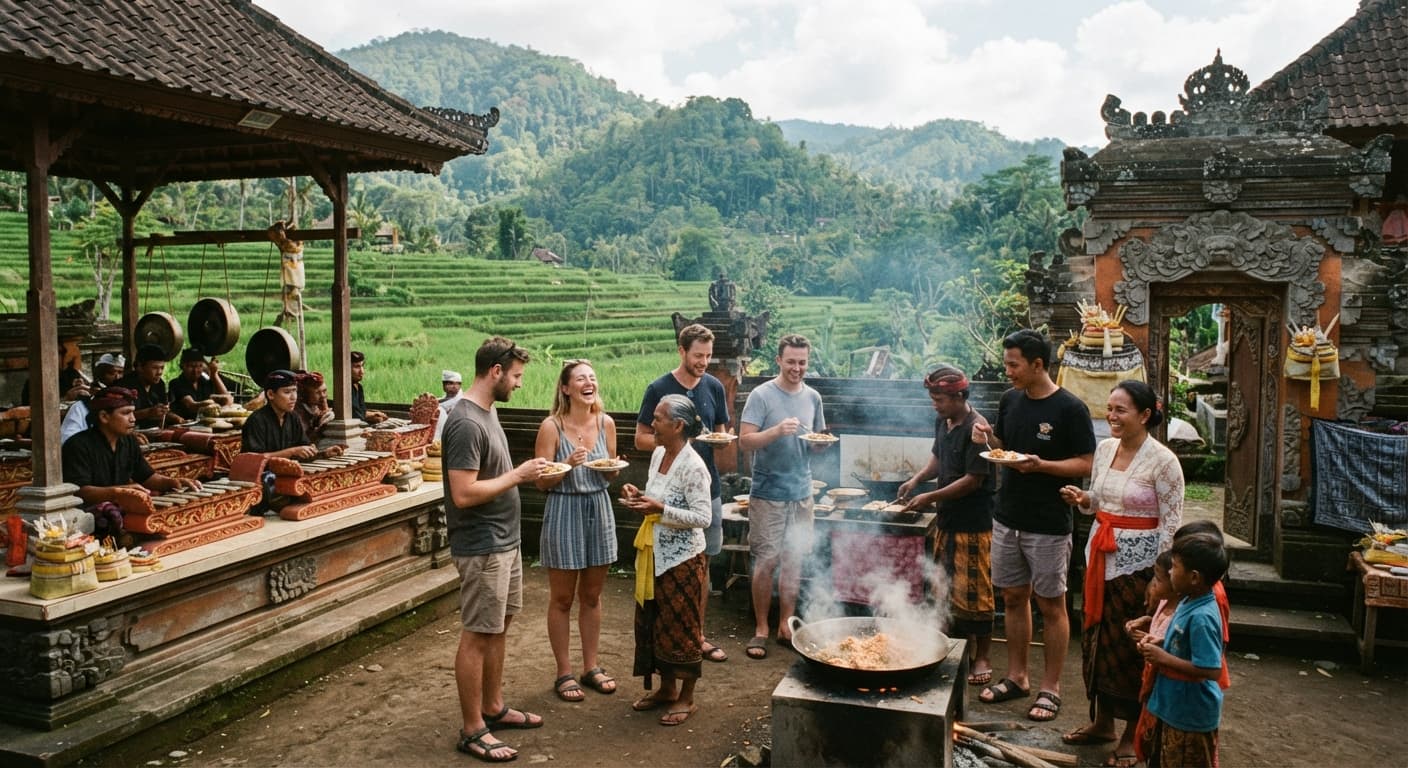
In the heart of Sidemen, a quiet village nestled between lush rice terraces and dramatic hills, a group of travelers gathers around a traditional Balinese home. Here, the sound of gamelan music mingles with the scent of freshly prepared nasi goreng as local villagers prepare for a cultural showcase. This intimate setting contrasts sharply with the bustling streets of Kuta and Seminyak, drawing a distinct crowd eager to immerse themselves in authentic Balinese culture.
As Bali continues to navigate the post-pandemic tourism landscape, a noticeable shift is occurring. While iconic locations like Ubud and Tanah Lot remain popular, increasing numbers of visitors are venturing into lesser-known areas, seeking unique experiences that highlight the island's rich cultural heritage and natural beauty. This trend towards exploring hidden gems is transforming the tourism industry in Bali, offering new opportunities for both travelers and local communities.
One such hidden gem is the village of Tenganan, known for its ancient traditions and unique double ikat weaving. Visitors to Tenganan are greeted by the sight of intricate textiles and the sounds of traditional ceremonies, all while enjoying the tranquility that comes with fewer crowds. Local artisans eagerly share their craft with visitors, creating a more interactive experience that fosters a deeper appreciation for Balinese culture.
In addition to Tenganan, the coastal village of Amed offers a different allure, attracting snorkelers and divers to its vibrant coral reefs. The laid-back atmosphere and stunning views of Mount Agung make Amed a perfect escape from the frenetic pace of more commercialized areas. Here, local homestays provide comfortable, affordable accommodations for travelers looking to connect more intimately with their surroundings.
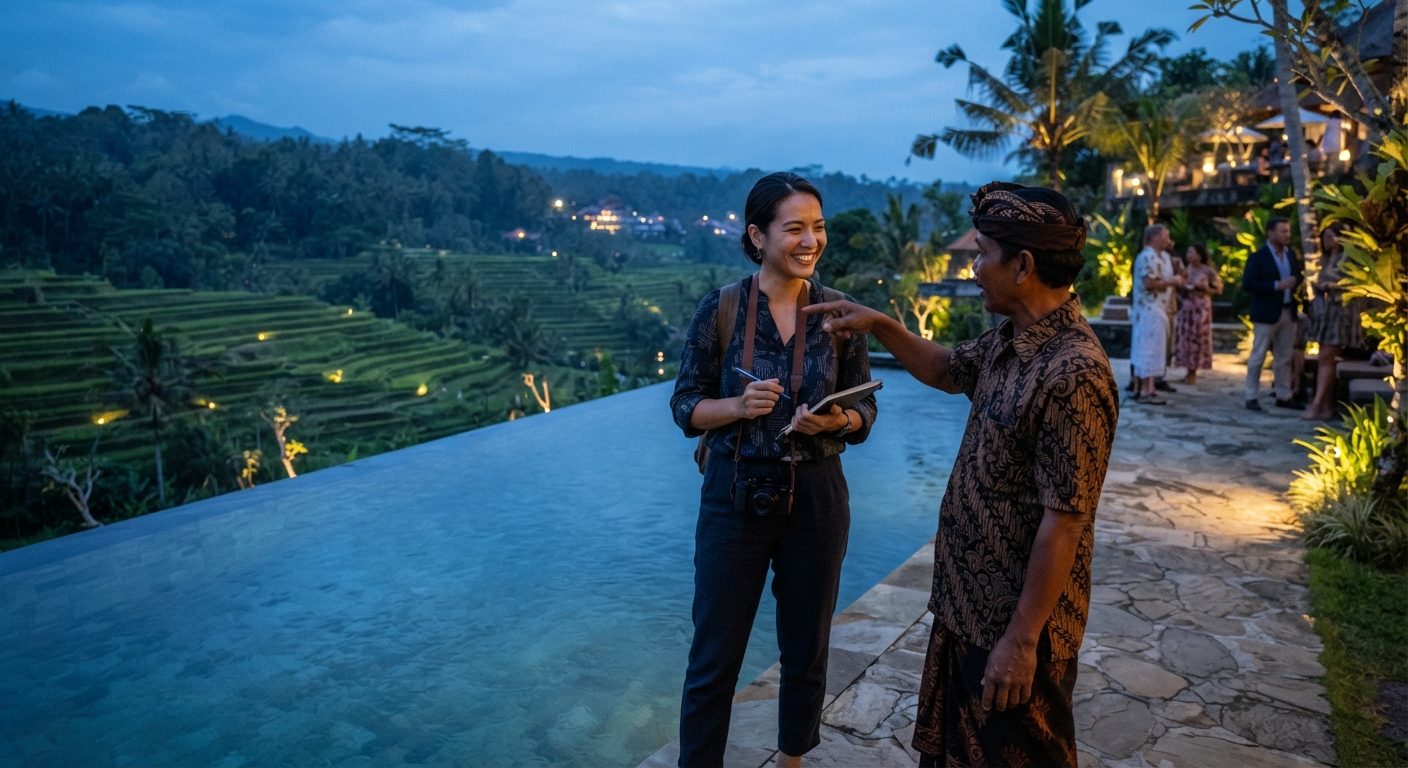
This shift towards lesser-known destinations is also reflected in the growing number of eco-lodges and sustainable tourism initiatives. In places like Munduk, where waterfalls cascade through dense forests, eco-conscious travelers are choosing to stay in accommodations that prioritize environmental sustainability. These lodges often source food locally and offer activities that educate visitors about the surrounding ecosystem, encouraging a responsible form of tourism.
Local business owners are noticing the positive impact of this trend. I Nyoman Suarta, a local guide in Sidemen, shares his thoughts: "As more tourists come to our village, we can share our culture and traditions while also supporting our community. It’s a win-win situation." His sentiments echo the growing recognition among Balinese communities that diversifying tourism can lead to economic resilience.
However, the rise in popularity of these hidden gems also poses challenges. Local leaders and tourism boards are tasked with managing the delicate balance between welcoming visitors and preserving the integrity of the culture and environment. Initiatives such as the Bali Tourism Board's campaigns to promote responsible tourism practices are essential in ensuring that as Bali evolves, its unique identity is maintained.
Moreover, the rise of social media has contributed to the discovery of these hidden spots, with travelers sharing their experiences online, inadvertently leading to an influx of visitors. The challenge lies in managing this growth sustainably, ensuring that local communities benefit while minimizing the ecological footprint.
As Bali embraces this new chapter in its tourism journey, the allure of its hidden gems is set to reshape how travelers experience the island. From cultural immersion in Tenganan to the serene shores of Amed, these destinations offer a refreshing alternative to the usual tourist hotspots.
The future of Bali's tourism may well depend on its ability to adapt and promote these lesser-known attractions, creating a more well-rounded and fulfilling experience for visitors. As travelers continue to seek authenticity, Bali's hidden gems are poised to shine brightly in the global tourism landscape.



Read Also from Other Categories
Jakarta's Expansion Plans Prompt Bali's Government to Rethink Land Policies
As Jakarta prepares for significant urban expansion, Bali's provincial government faces pressure to update its land use regulations. This shift aims to balance development with preservation amidst concerns from local communities.

Bali's Insurance Tech Startups Attract Major Investments Amid Global Trends
Bali's insurance technology sector is rapidly gaining traction, with several startups securing significant funding in 2023. Investors are drawn to innovative solutions addressing local and global insurance challenges, signaling a shift in the investment landscape.
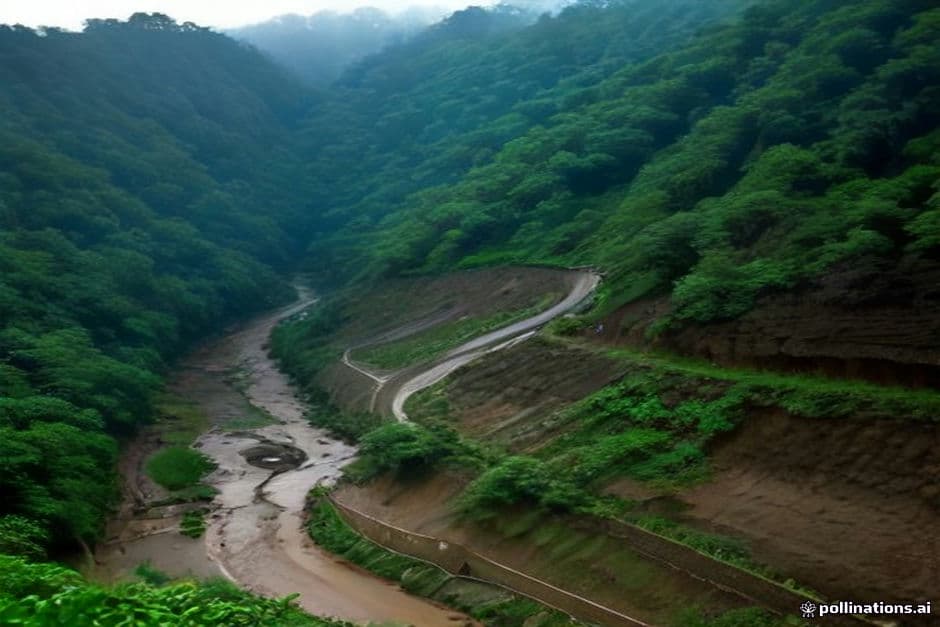
Increased Landslide Risks Challenge Bali's Remote Villages
As heavy rains persist in Bali, remote villages face heightened risks of landslides, prompting local authorities to issue safety alerts. Community leaders are calling for urgent measures to enhance infrastructure and emergency response capabilities.
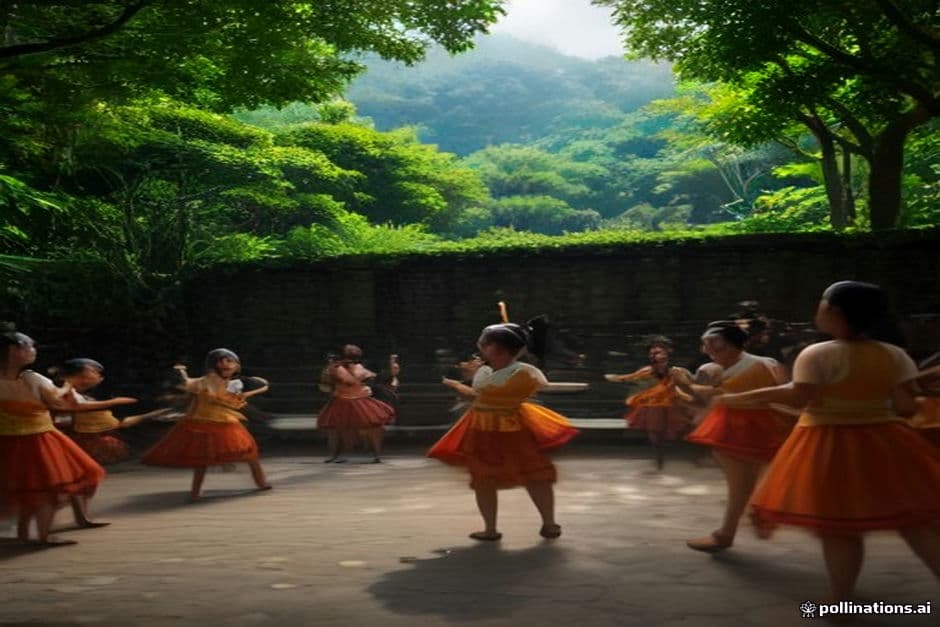
Cultural Education Program Revitalizes Local Traditions in Bali Schools
A new initiative launched by Bali's education department aims to integrate local culture into school curriculums across the island. This program seeks to instill pride in Balinese heritage among the youth, fostering a deeper connection to their roots.

Job Market Transformation: Bali's Shift to Remote Work Opportunities
Bali's job market is evolving, with remote work opportunities surging by 30% in the past year. This trend is reshaping employment patterns and attracting a diverse talent pool to the island.

Cafes and Culture: The Role of Community Spaces in Bali's Recovery
As Bali emerges from the pandemic, community cafes are becoming vital hubs for cultural exchange and economic revitalization. These spaces are not only serving coffee but also fostering a sense of belonging and collaboration among locals and visitors alike.
Comments (0)
No comments yet. Be the first!