Bali's Growing Interest in Agritech Investments Signals Economic Diversification
Investment in agritech is on the rise in Bali as entrepreneurs seek to modernize the agricultural sector. This shift not only promises enhanced food security but also attracts venture capitalists aiming to support sustainable practices.
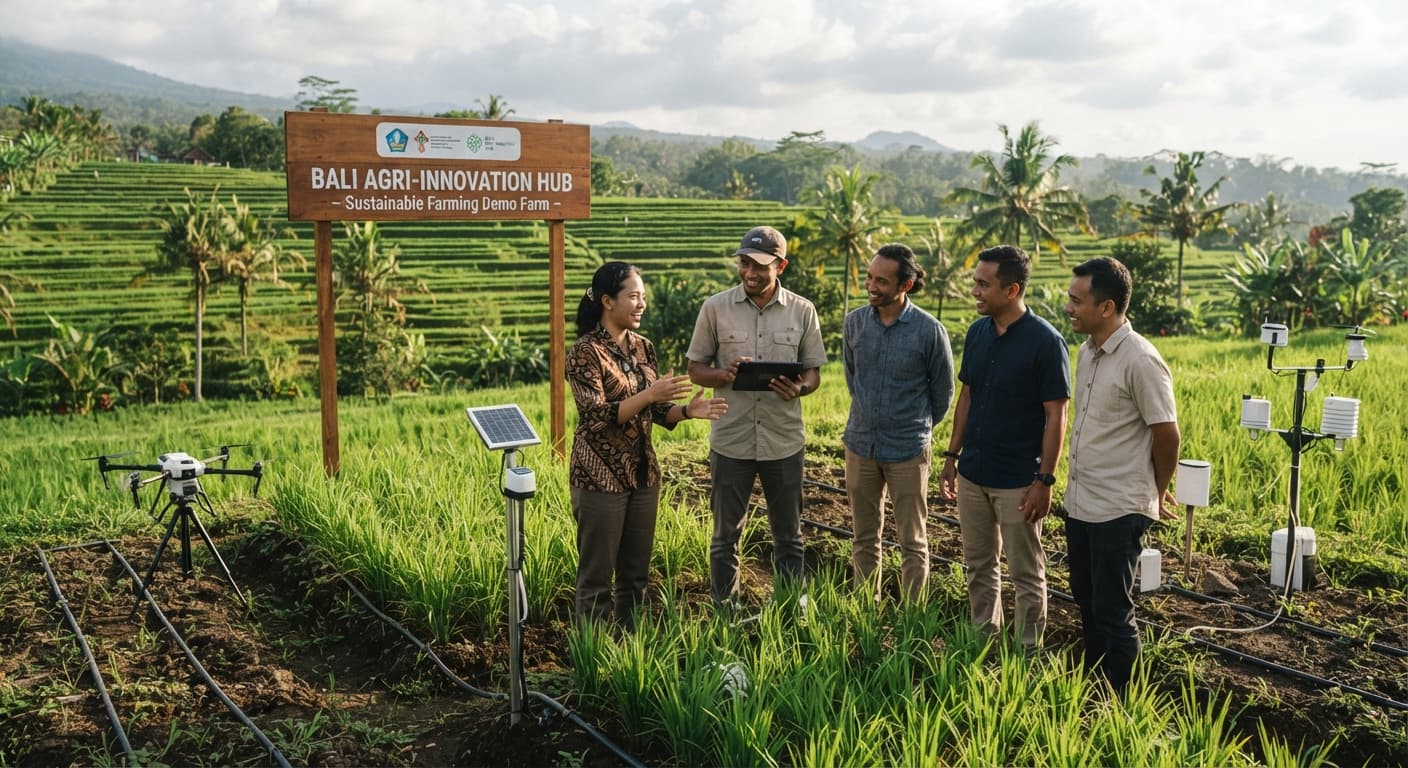
As Bali continues to evolve as a hub for innovation, a notable trend is emerging in the agritech sector. Investors are increasingly turning their attention to agricultural technology, aiming to modernize farming practices on the island. This investment wave reflects a broader economic diversification strategy, which seeks to reduce reliance on traditional tourism revenue.
Recent reports indicate that agritech startups in Bali have attracted significant funding, with over IDR 150 billion (approximately USD 10 million) raised in various funding rounds over the past year. One standout company, Bali AgriTech, has secured a Series A funding of IDR 70 billion, allowing it to expand its operations in precision farming and sustainable crop management.
According to the Indonesian Ministry of Agriculture, the initiative is part of a national effort to enhance food security and agricultural resilience, especially in regions such as Bali where tourism often overshadows agricultural contributions. The Ministry has been collaborating with local agritech firms to develop solutions that address the challenges posed by climate change and resource scarcity.
“By leveraging technology, we can improve yield and sustainability,” said Dr. Rina Sari, a spokesperson for the Ministry. “The potential for agritech to transform Bali’s agricultural landscape is immense, and we are committed to supporting innovation in this sector.”

In addition to Bali AgriTech, other startups like GreenFarm and AgriTech Solutions are making waves in the industry. GreenFarm recently launched an app that connects local farmers with buyers, facilitating direct sales and reducing dependency on middlemen. This initiative has not only increased farmers’ profits but has also encouraged more sustainable practices.
The rising interest in agritech investments is also attracting international venture capitalists. A recent report from the Jakarta Investment Agency revealed that foreign investments in Bali’s agritech sector grew by 25% in the last year alone, with significant contributions from investors in Singapore and Australia. This influx of capital is seen as a positive sign for the future of Bali’s economy, as it indicates global confidence in Indonesia’s agricultural potential.
Furthermore, local government initiatives are playing a crucial role in fostering this investment climate. The Bali Provincial Government has launched a series of programs aimed at supporting agritech startups, including funding opportunities, mentorship, and access to research facilities. These initiatives are designed to create a conducive environment for innovation and collaboration among stakeholders.

However, challenges remain. Many agritech startups face obstacles such as regulatory hurdles and access to advanced technology. To address these issues, industry experts are calling for a more streamlined regulatory framework that encourages innovation while ensuring safety and sustainability.
As Bali navigates this new landscape, the integration of agritech into the local economy could have far-reaching impacts. Enhanced agricultural practices could lead to better food security, job creation, and reduced environmental impact, aligning with global sustainability goals.
Looking ahead, the growth of agritech in Bali appears promising, with potential ripple effects across other sectors. By investing in modern agricultural practices, Bali not only stands to benefit economically but also positions itself as a leader in sustainable development in the region.


Read Also from Other Categories

Exploring Bali's Thriving Community-Based Tourism Initiatives
Bali is witnessing a significant rise in community-based tourism initiatives that are enhancing local engagement and visitor experiences. This trend, driven by local artisans and sustainable practices, is reshaping the tourism landscape across the island.

Jakarta's Expansion Plans Prompt Bali's Government to Rethink Land Policies
As Jakarta prepares for significant urban expansion, Bali's provincial government faces pressure to update its land use regulations. This shift aims to balance development with preservation amidst concerns from local communities.

Power Outages Plague Bali as Storms Intensify, Local Businesses Struggle
Frequent power outages across Bali have heightened concerns for local businesses as storms wreak havoc. With mounting disruptions, community members are calling for urgent improvements to the island's electrical infrastructure.

Community Efforts Push for Sustainable Development in Bali's Rural Areas
Local initiatives are driving a new wave of sustainable development in Bali's rural regions, focusing on infrastructure, education, and cultural preservation. As communities collaborate, the impact is reshaping their futures positively and sustainably.

Job Market Transformation: Bali's Shift to Remote Work Opportunities
Bali's job market is evolving, with remote work opportunities surging by 30% in the past year. This trend is reshaping employment patterns and attracting a diverse talent pool to the island.

Cafes and Culture: The Role of Community Spaces in Bali's Recovery
As Bali emerges from the pandemic, community cafes are becoming vital hubs for cultural exchange and economic revitalization. These spaces are not only serving coffee but also fostering a sense of belonging and collaboration among locals and visitors alike.
Comments (0)
No comments yet. Be the first!