Bali's Eco-Tourism Initiatives Transform Visitor Experiences
Bali is witnessing a surge in eco-tourism as more visitors seek sustainable travel options. Local initiatives are reshaping the hospitality landscape, emphasizing environmental conservation and cultural immersion.

Bali's tourism sector is experiencing a significant transformation as eco-tourism gains traction among travelers. With an increasing number of tourists seeking sustainable and responsible travel options, local initiatives are reshaping the hospitality landscape, encouraging hotels and attractions to adopt environmentally friendly practices.
In recent years, Bali has positioned itself as a leader in eco-tourism, promoting not only its stunning natural beauty but also its commitment to sustainability. The Bali Government's initiative to promote green practices within the tourism sector is evident as local authorities collaborate with businesses to implement eco-friendly measures, such as waste reduction programs and energy-efficient technologies.
One of the standout examples is the opening of several eco-friendly hotels and resorts in areas like Ubud and Canggu. These establishments are designed to minimize environmental impact while providing guests with unique and immersive experiences. For instance, the Green Village, located in Sibang Kaja, features bamboo architecture and is powered by renewable energy. The resort emphasizes sustainability in every aspect of its operations, from water conservation to supporting local artisans.
Furthermore, initiatives like the Bali Sustainable Tourism Charter, launched by local stakeholders, aim to create a framework for sustainable practices across the island's tourism industry. This charter focuses on promoting local culture and heritage, ensuring that tourism development benefits the local community while preserving Bali's unique identity.
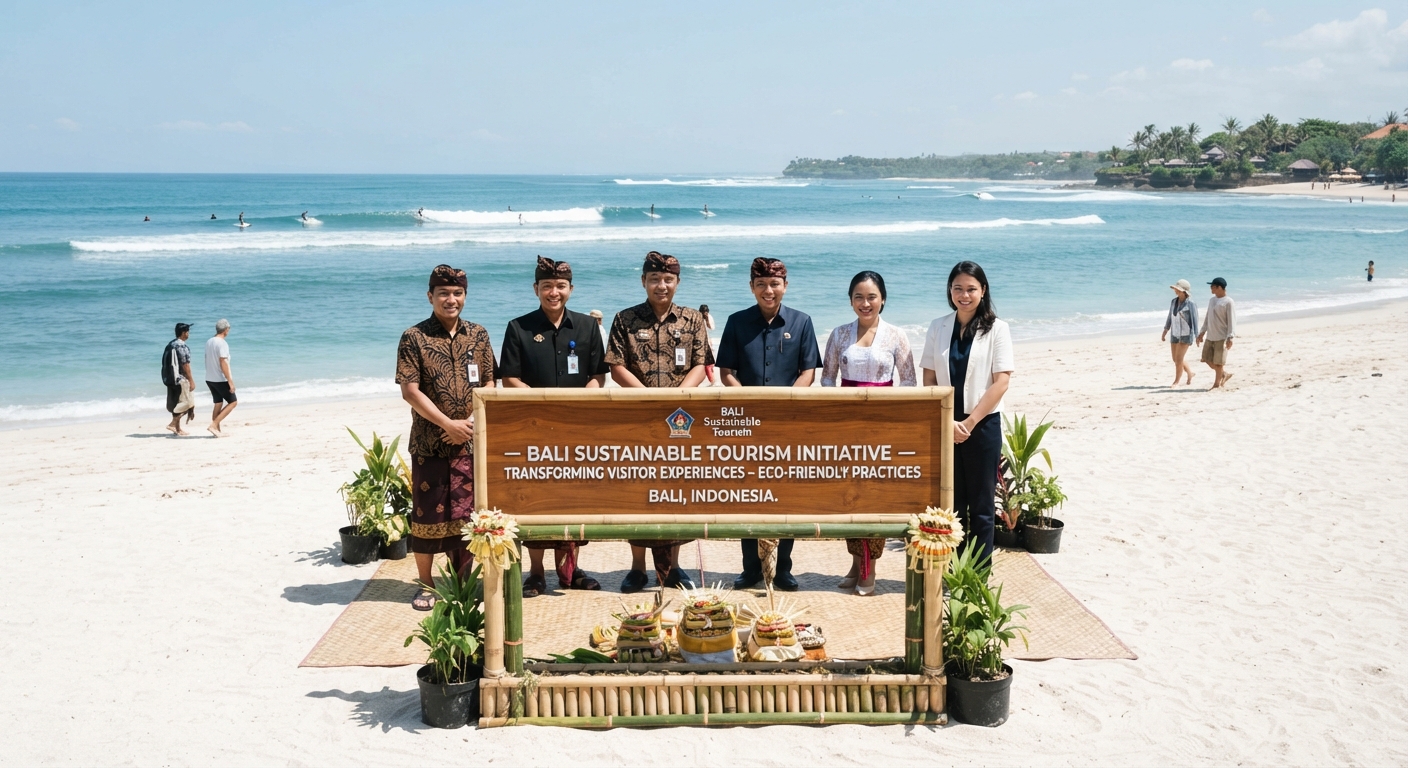
Visitors are increasingly drawn to activities that allow them to engage with the local environment. Eco-tours, which include guided hikes through rice terraces, wildlife spotting, and traditional cooking classes, are becoming popular. Local tour operators are adapting their offerings to cater to this demand, providing experiences that highlight Bali's rich biodiversity and cultural heritage.
A recent report from the Bali Tourism Board revealed that over 30% of tourists now prioritize eco-friendly accommodations and activities when planning their trips. This shift in traveler preferences has prompted many hotels to rethink their strategies, with a focus on sustainability becoming a core aspect of their marketing efforts.
In addition to accommodations, local restaurants are also embracing the eco-tourism trend by sourcing ingredients from nearby farms and practicing zero-waste cooking. Establishments like Locavore in Ubud have gained international acclaim for their commitment to using local produce and reducing food waste, setting a benchmark for dining experiences that align with eco-friendly principles.
However, the rise of eco-tourism is not without challenges. Balancing the influx of visitors with environmental conservation remains a delicate task. The government has been proactive in regulating tourist numbers in sensitive areas such as Nusa Penida and the beaches of Bali, implementing measures to protect these natural treasures from overexploitation.

As eco-tourism continues to flourish, it is crucial for stakeholders to work collaboratively to ensure that the growth of this sector does not compromise the island's environmental integrity. The Bali Tourism Board emphasizes the importance of education and awareness among tourists, encouraging them to make responsible choices during their visits.
Looking ahead, the integration of technology into eco-tourism is expected to further enhance visitor experiences. Innovations like mobile apps that provide information on sustainable practices and local attractions are being developed to help travelers make informed decisions. These tools can facilitate a deeper understanding of the environmental and cultural significance of the places they visit.
As Bali navigates this new era of tourism, the focus on sustainability and cultural preservation will play a pivotal role in shaping the island's future. With a growing number of eco-conscious travelers, Bali is poised to set a precedent for responsible tourism in the region, demonstrating that it is possible to enjoy the beauty of the island while respecting its natural and cultural heritage.



Read Also from Other Categories

Local Farmers Rally for Support Amid Bali's Agricultural Policy Shift
As Bali's provincial government implements new agricultural policies, local farmers express concerns over their livelihoods. The shift aims to modernize practices but raises questions about sustainability and community impact.

Investors Shift Focus to Bali's Innovative Aquaculture Ventures in 2023
Bali's aquaculture sector has seen a remarkable 35% increase in investment this year, attracting both local and international funding. The surge is driven by a growing demand for sustainable seafood and innovative farming techniques.

Canggu Residents Alarmed by Rising Incidents of Coastal Erosion
As Canggu's picturesque coastline faces increasing erosion, local residents and businesses express urgent concerns. The ongoing erosion threatens homes, livelihoods, and the area's renowned tourism appeal.

Community-Led Initiatives Foster Urban Infrastructure Growth in Denpasar
Residents of Denpasar are taking the lead in improving urban infrastructure through collaborative projects. Local government support amplifies these initiatives, aiming to enhance the city's livability amidst rapid urbanization.
Bali's New Career Hub: Empowering Local Job Seekers with Innovative Training
Bali's job seekers are gaining new opportunities through a strategic partnership between local businesses and vocational training centers. This initiative aims to equip the workforce with essential skills to meet the demands of a rapidly changing job market.

Navigating Bali's Evolving Social Landscape: Challenges and Opportunities
As Bali grapples with increasing social disparities, experts urge a reevaluation of community policies. Understanding these shifts is crucial for fostering a more equitable future for all residents.
Comments (0)
No comments yet. Be the first!