Bali's Digital Nomad Boom: Transforming Local Tourism Landscape
As Bali attracts an increasing number of digital nomads, local businesses are adapting to meet the unique needs of this new demographic. This shift is transforming the island's tourism landscape, fostering innovation in hospitality and coworking spaces.
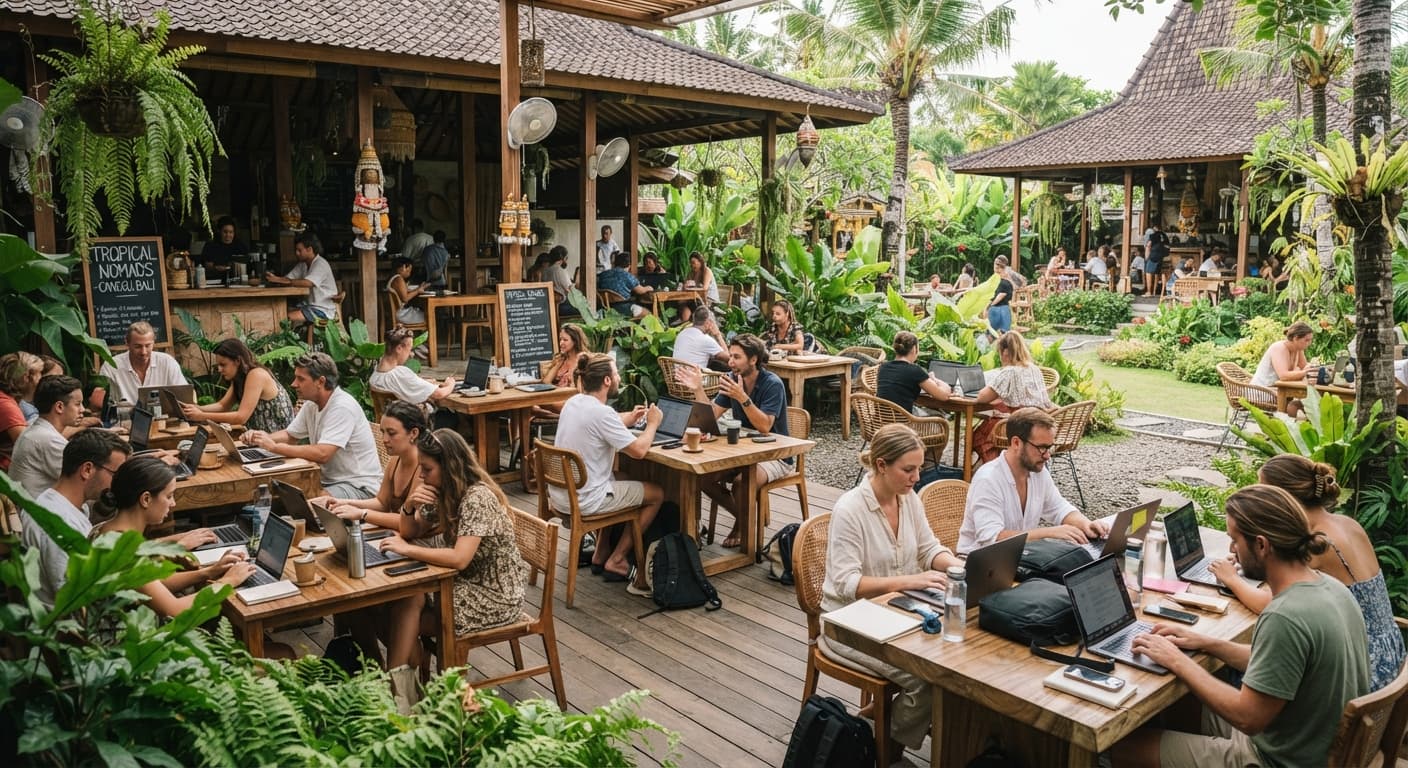
Bali is witnessing a significant transformation in its tourism sector as the island increasingly becomes a hub for digital nomads. This trend, which has accelerated post-pandemic, is reshaping local businesses and the overall visitor experience, as more remote workers flock to the island seeking a blend of work and leisure.
In 2026, reports indicated that the number of digital nomads in Bali had grown by approximately 30%, with many drawn by the island's vibrant culture, affordable living costs, and robust internet infrastructure. Popular areas such as Canggu and Ubud have become hotspots for these remote workers, with coworking spaces flourishing and local cafes adapting their services to cater to this demographic.
Cafes and restaurants are now offering improved Wi-Fi, power outlets, and comfortable seating arrangements, fostering an environment conducive to productivity. For instance, venues like Dojo Bali in Canggu and Hubud in Ubud provide not only a place to work but also community events and networking opportunities for digital nomads. These establishments have reported a substantial increase in foot traffic, directly correlating with the rise of remote work.
Moreover, accommodations have adapted to meet the demands of long-stay visitors. Traditional hotels are now competing with boutique guesthouses and homestays that offer amenities tailored for extended stays, including kitchen facilities and communal workspaces. Properties that provide a blend of comfort and functionality are increasingly popular, leading to a rise in bookings in areas that cater specifically to this market.

The local economy is also benefiting from this trend. Digital nomads tend to spend more on leisure activities, wellness services, and local experiences compared to traditional tourists. According to the Bali Tourism Board, spending by this group has led to a 15% increase in revenue for local businesses that cater to wellness, fitness, and cultural experiences.
Festivals and community events have also adapted to attract this new audience. Events such as the Bali Spirit Festival, which focuses on yoga, music, and wellness, have seen increased participation from digital nomads. Organizers are recognizing the importance of creating experiences that resonate with this demographic, emphasizing health, community, and personal growth.
However, the influx of digital nomads is not without its challenges. Local residents have expressed concerns about rising living costs and the impact on traditional tourism. In areas like Canggu, where the balance of local culture and tourism is delicate, residents are worried that the surge in long-term visitors may lead to gentrification and a loss of community identity.

Authorities are beginning to address these concerns. The Bali government is implementing regulations aimed at managing the growth of digital nomadism, including guidelines for property rentals and business operations. The goal is to ensure that the benefits of this trend are shared with the local community while preserving the unique cultural heritage of the island.
Looking ahead, Bali's tourism landscape is likely to continue evolving as it embraces the digital nomad trend. The integration of technology in the hospitality sector, coupled with a focus on sustainability and community engagement, will define the future of tourism on the island. As digital nomads become a permanent fixture in Bali's tourism ecosystem, local businesses are expected to innovate further, creating a win-win scenario for both visitors and residents.


Read Also from Other Categories

Local Farmers Rally for Support Amid Bali's Agricultural Policy Shift
As Bali's provincial government implements new agricultural policies, local farmers express concerns over their livelihoods. The shift aims to modernize practices but raises questions about sustainability and community impact.

Investors Shift Focus to Bali's Innovative Aquaculture Ventures in 2023
Bali's aquaculture sector has seen a remarkable 35% increase in investment this year, attracting both local and international funding. The surge is driven by a growing demand for sustainable seafood and innovative farming techniques.

Canggu Residents Alarmed by Rising Incidents of Coastal Erosion
As Canggu's picturesque coastline faces increasing erosion, local residents and businesses express urgent concerns. The ongoing erosion threatens homes, livelihoods, and the area's renowned tourism appeal.

Community-Led Initiatives Foster Urban Infrastructure Growth in Denpasar
Residents of Denpasar are taking the lead in improving urban infrastructure through collaborative projects. Local government support amplifies these initiatives, aiming to enhance the city's livability amidst rapid urbanization.
Bali's New Career Hub: Empowering Local Job Seekers with Innovative Training
Bali's job seekers are gaining new opportunities through a strategic partnership between local businesses and vocational training centers. This initiative aims to equip the workforce with essential skills to meet the demands of a rapidly changing job market.
Navigating Bali's Evolving Social Landscape: Challenges and Opportunities
As Bali grapples with increasing social disparities, experts urge a reevaluation of community policies. Understanding these shifts is crucial for fostering a more equitable future for all residents.
Comments (0)
No comments yet. Be the first!